
Raagi Flour: India’s Ancient Superfood That Belongs in Every Modern Kitchen
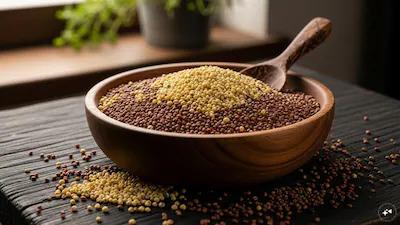
There is a grain that has nourished Indian families for more than 5,000 years — thriving on hillside farms, fuelling farmers through harsh summers, and quietly sustaining communities where rice and wheat could not easily grow. That grain is ragi, and the flour ground from it — raagi flour — is experiencing a well-deserved renaissance in kitchens across the country.
At 10on10 Foods, we believe the best nutrition rarely needs to be invented. It only needs to be remembered. Our 100% Whole Raagi Atta is stone-milled from finger millet in its most complete form — nothing added, nothing stripped away — so that every roti, dosa, ladoo, or porridge you make carries the full nutritional power that this grain was always meant to deliver.
This guide covers everything you need to know about raagi flour: its nutritional profile, proven health benefits, the difference between whole and refined milling, how to cook with it, and why the quality of your raagi atta matters as much as the grain itself.
What Is Raagi Flour?
Raagi flour — also written as ragi flour or finger millet flour — is made by grinding the dried seeds of Eleusine coracana, commonly known as finger millet or nachni. The plant gets its English name from the finger-like arrangement of its seed spikes.
Native to the Ethiopian highlands and later adopted enthusiastically across the Indian subcontinent, ragi has been cultivated in Karnataka, Andhra Pradesh, Tamil Nadu, Maharashtra, Uttarakhand, and Himachal Pradesh for millennia. It grows without irrigation, resists drought, and thrives in poor soils — making it one of the most resilient and sustainable crops in the world.
When ground into flour, ragi produces a fine, slightly earthy, mildly nutty powder ranging in colour from light tan to deep reddish-brown depending on the variety. This flour can be used wherever wheat flour is used and, in many preparations, produces results that are richer in flavour and significantly superior in nutrition.
Raagi Flour Nutritional Profile (Per 100g)
Few grains match the nutrient density of finger millet. Here is what 100 grams of whole raagi flour delivers:
| Nutrient | Amount | Serving |
| Energy | ~328 kcal | per 100g |
| Protein | 7–8 g | per 100g |
| Dietary Fibre | 3–4 g | per 100g |
| Calcium | ~344 mg | per 100g |
| Iron | ~3.9 mg | per 100g |
| Carbohydrates | ~72 g | per 100g |
| Fat | ~1.3 g | per 100g |
These numbers are for whole-grain raagi flour where the bran, germ, and endosperm are intact. Refined ragi flour can lose up to 40% of these values — which is why the whole in 10on10’s 100% Whole Raagi Atta is not a marketing word but a commitment.
10 Evidence-Backed Health Benefits of Raagi Flour
1. Richest Plant-Based Source of Calcium
Ragi contains approximately 344 mg of calcium per 100g — more than milk by weight and significantly more than any other cereal grain. For vegetarians, vegans, lactose-intolerant individuals, and growing children, raagi flour is one of the most practical ways to meet daily calcium requirements through food rather than supplements.
Regular consumption of raagi flour supports bone density, helps prevent osteoporosis, and is particularly beneficial for women going through menopause and the elderly who are at higher risk of bone loss.
2. Naturally Gluten-FreeRaagi flour contains zero gluten. For people diagnosed with celiac disease or non-celiac gluten sensitivity, it offers a safe, delicious, and nutritionally superior alternative to wheat flour. Unlike many commercial gluten-free flours that are made from refined starches and lack micronutrients, whole raagi flour is dense with vitamins, minerals, and fibre.
3. Exceptional for Blood Sugar Management
Raagi flour has a low-to-medium glycaemic index and is rich in dietary fibre — a combination that slows glucose absorption, reduces post-meal blood sugar spikes, and helps maintain steady energy levels throughout the day. Studies have shown that ragi-based diets can improve glucose tolerance and reduce insulin resistance, making raagi flour one of the most recommended foods for people managing Type 2 diabetes.
4. Outstanding Source of Dietary Fibre
The high fibre content in whole raagi flour supports healthy digestion, promotes regular bowel movements, and feeds beneficial gut bacteria. A healthy gut microbiome is increasingly linked to better immunity, mental health, and metabolic function. Just two rotis made with raagi flour can provide a significant portion of your recommended daily fibre intake.
5. Supports Healthy Weight Management
The fibre and complex carbohydrates in raagi flour slow digestion and keep you feeling full for longer. This natural satiety effect reduces unnecessary snacking and calorie overconsumption. Research suggests that ragi-based breakfasts lead to significantly lower calorie intake at subsequent meals compared to refined grain alternatives.
6. Rich in Essential Amino Acids
Ragi contains methionine and tryptophan — essential amino acids that are largely absent in other staple grains like rice and wheat. Methionine is crucial for liver health, fat metabolism, and the synthesis of antioxidants like glutathione. Tryptophan is the precursor to serotonin, the neurotransmitter closely linked to mood, sleep, and emotional wellbeing.
7. A Powerful Natural Iron Source
With nearly 3.9 mg of iron per 100g, raagi flour is one of the best grain-based sources of this essential mineral. Iron deficiency anaemia remains one of the most prevalent nutritional deficiencies in India, particularly among women and children. Including raagi flour in daily meals — especially alongside vitamin C-rich foods to enhance absorption — can meaningfully address this gap.
8. Rich in Antioxidants and Polyphenols
The bran layer of whole ragi grain is rich in phenolic compounds, flavonoids, and tannins — plant chemicals that neutralise free radicals, reduce inflammation, and protect cells from oxidative damage. These compounds are linked to reduced risk of chronic diseases including cardiovascular disease and certain cancers. These antioxidants are preserved only when the whole grain is used — refined raagi flour loses most of them.
9. Ideal Weaning Food for Infants
In traditional Indian households — particularly across Karnataka and Andhra Pradesh — raagi kanji (ragi porridge) has long been the first solid food introduced to infants. This practice is nutritionally sound: raagi flour is easy to digest, hypoallergenic, rich in calcium needed for developing bones, and provides the iron required for brain development. Paediatric nutritionists continue to recommend ragi-based foods as some of the best weaning options available.
10. Supports Heart Health
The combination of fibre, potassium, and polyphenols in raagi flour works together to support cardiovascular health. Fibre helps reduce LDL (bad) cholesterol levels; polyphenols inhibit platelet aggregation and reduce arterial inflammation; potassium helps regulate blood pressure. A diet that regularly incorporates raagi flour contributes to a heart-healthy nutritional pattern.
Whole Raagi Flour vs. Refined Raagi Flour: Why It Matters
Not all raagi flour is the same. The difference between whole-grain raagi flour and refined raagi flour is the difference between eating the entire grain and eating only its starchy core.
| Feature | Whole Raagi Flour | Refined Raagi Flour |
| Fibre Content | High (bran intact) | Low (bran removed) |
| Calcium & Iron | Maximum retention | Significantly reduced |
| Antioxidants | Rich in polyphenols | Mostly lost |
| Glycaemic Index | Lower (better) | Higher (worse) |
| Processing Method | Stone-milled, cold | Roller-milled, heat |
| Best For | Health, nutrition | Texture only |
| 10on10 Foods’ 100% Whole Raagi Atta uses only cold stone-milling, preserving the complete grain — bran, germ, and endosperm — for full nutritional impact. |
How to Use Raagi Flour in Your Kitchen
Raagi flour is one of the most versatile whole-grain flours available. Here is how to use it across every meal of the day:
Ragi Roti (Finger Millet Flatbread)
The most common use of raagi flour in South Indian and Maharashtrian homes. Knead raagi flour with warm water, a pinch of salt, and optionally a handful of finely chopped onions, green chillies, and coriander. Roll or pat into rotis and cook on a dry tawa until done. Serve with ghee, jaggery, or any curry.
Ragi Dosa
Mix raagi flour with a little rice flour, curd, salt, and water into a thin batter. Allow to ferment for 6–8 hours for a tangier flavour, or use immediately for a quicker version. Pour onto a hot, greased tawa and spread into thin rounds. Ragi dosas are naturally crispier and more flavourful than plain rice dosas.
Ragi Mudde (Ragi Balls)
A staple dish of Karnataka and Andhra Pradesh: bring water to a boil, add raagi flour gradually while stirring constantly, cook until the mixture thickens into a dense, pliable dough, and shape into balls. Traditionally served with sambhar or meat curries, ragi mudde is extraordinarily filling and nutritious.
Ragi Porridge (Kanji)
Cook raagi flour with milk or water and sweeten with jaggery. Add a pinch of cardamom and a few strands of saffron for an indulgent yet wholesome breakfast or evening meal. This is also the recommended preparation for infant weaning — simply thin the porridge with more breast milk or formula and omit the sweetener for very young babies.
Ragi Ladoos
Dry-roast raagi flour until fragrant, combine with powdered jaggery, ghee, crushed nuts, and sesame seeds. Shape into ladoos while warm. These are not just traditional sweets — they are nutrient-dense energy bites, especially valuable during pregnancy, lactation, and periods of intense physical work.
Ragi in Baked Goods
Substitute up to 30–50% of all-purpose flour with raagi flour in cookies, muffins, brownies, and cakes. It adds a pleasant earthiness, a natural dark colour, and significantly boosts the nutritional value of your baking. Ragi chocolate cake is a particular favourite — the slight bitterness of raagi flour complements dark cocoa beautifully.
Ragi Smoothies and Shakes
Blend 2 tablespoons of raagi flour into your morning smoothie with banana, almond milk, dates, and cinnamon. The flour adds creaminess, fibre, calcium, and slow-digesting carbohydrates to keep you energised for hours.
Tips for Cooking with Raagi Flour
- Always knead ragi roti dough with warm (not cold) water — it makes the dough more pliable and prevents cracking.
- Dry-roasting raagi flour for 3–4 minutes before using it in sweets or porridge deepens its nutty flavour significantly.
- For softer rotis, blend raagi flour with 20–30% whole wheat atta — especially useful when first introducing the flavour to children.
- Raagi flour absorbs more water than wheat flour — start with less liquid and add gradually to achieve your desired consistency.
- Store in an airtight container away from heat and moisture — whole-grain raagi flour retains its natural oils and can go rancid if improperly stored. Consume within 3 months of opening.
- Pair with vitamin C-rich foods (tomatoes, lemon, amla) to maximise iron absorption from the flour.
Why 10on10 Foods’ 100% Whole Raagi Atta Is Different
The raagi flour market in India is crowded — but the vast majority of products are partially refined, commercially milled under heat that destroys heat-sensitive nutrients, or blended with other ingredients. At 10on10 Foods, we built our raagi atta around a simple conviction: the grain should reach you exactly as nature intended it.
- 100% Whole Grain: Every part of the finger millet — bran, germ, and endosperm — is included in every pack.
- Cold Stone-Milling: Traditional stone-grinding at low temperatures preserves the full nutritional profile, including heat-sensitive polyphenols and enzymes.
- No Additives, No Preservatives: Just raagi. Nothing else.
- Responsibly Sourced: Procured from trusted farmers committed to clean cultivation practices.
- Lab-Tested for Purity: Every batch is tested to ensure what is on the label is what is in the pack.
| “Whole grain, nothing more, nothing less.” — The 10on10 Foods Standard |
Who Should Make Raagi Flour a Daily Staple?
The honest answer: almost everyone. But certain groups benefit especially:
- Diabetics and pre-diabetics: for blood sugar regulation and sustained energy.
- Vegetarians and vegans: as a primary plant-based source of calcium and iron.
- People with gluten intolerance: as a safe, nutritious wheat alternative.
- Infants and toddlers (6 months+): as a first food and weaning staple.
- Pregnant and lactating women: for the elevated calcium, iron, and amino acid demands of this life stage.
- Athletes and active individuals: for complex carbohydrates, protein, and iron.
- Older adults: for bone density support and cardiovascular health.
- Anyone looking to reduce refined grain consumption: as a whole-food, fibre-rich substitute.
Frequently Asked Questions About Raagi Flour
Is raagi flour the same as ragi flour?
Yes, completely. ‘Raagi’ and ‘ragi’ are simply regional spelling variations for finger millet flour (Eleusine coracana). Both terms refer to the same grain and the same flour. You may also see it called nachni flour (in Maharashtra), mandua atta (in Uttarakhand), or finger millet flour in international markets.
Can people with diabetes eat raagi flour every day?
Yes, raagi flour is generally considered one of the best grain flours for diabetics due to its low-to-medium glycaemic index and high fibre content. However, portion size still matters, and individuals on diabetes medication should consult their healthcare provider regarding how raagi fits into their specific dietary plan.
Is raagi flour good for weight loss?
Raagi flour supports weight management by promoting satiety, reducing hunger between meals, and providing complex carbohydrates that release energy slowly. It is not a weight loss ‘superfood’ in isolation — caloric intake and overall dietary balance matter — but replacing refined flour with whole raagi flour is a positive nutritional step.
Can I give raagi flour to my baby?
Yes. Ragi porridge has been a traditional first food in South India for centuries and is nutritionally excellent for infants from around 6 months of age. Prepare it with water or breast milk, with no added salt or sugar for babies under one year. Always introduce new foods one at a time and watch for allergic reactions, though ragi allergy is extremely rare.
Does raagi flour need to be cooked before eating?
Whole raagi flour should always be cooked before consumption — either as porridge, rotis, dosas, or other preparations. Raw raagi flour contains naturally occurring tannins and enzyme inhibitors that can interfere with nutrient absorption and digestion. Cooking neutralises these compounds and makes the nutrients fully bioavailable. Dry roasting before cooking enhances both flavour and digestibility.
What is the shelf life of 10on10 whole raagi atta?
Whole-grain raagi flour retains its natural oils and is best consumed within 3 months of opening for optimal freshness and flavour. Store in a cool, dry place in an airtight container, away from direct sunlight. Refrigeration can extend freshness further in hot and humid climates.
Is 10on10 raagi flour organic?
10on10 Foods focuses on clean, responsibly sourced finger millet that is free from adulterants and processed without additives or preservatives. For specific information about our sourcing and certification standards, please visit our product page or contact our team directly.
Conclusion: Bring Raagi Flour Back to Your Table
Raagi flour has never actually gone anywhere. It has been nourishing Indian families for thousands of years — quietly, without fanfare — doing what whole foods do best: sustaining health without complication. What has changed is our awareness of just how nutritionally remarkable it is, and how essential it is to choose the right quality of raagi flour to access those benefits fully.
Whole-grain, cold stone-milled raagi flour is not a health trend. It is a return to nutritional wisdom that modern science continues to validate — study by study, nutrient by nutrient.
At 10on10 Foods, we grind our raagi atta from 100% whole finger millet, with nothing removed and nothing added. The grain you get is the grain nature grew.

 English
 Arabic
 Spanish
 Portuguese
 Deutsch
 Turkish
 Dutch
Dutch
 Italiano
 Russian
 Romaian
 Portuguese (Brazil)
 Greek
Greek