
Why Designers Should Embrace Digital Textile Printing Now, Not Later
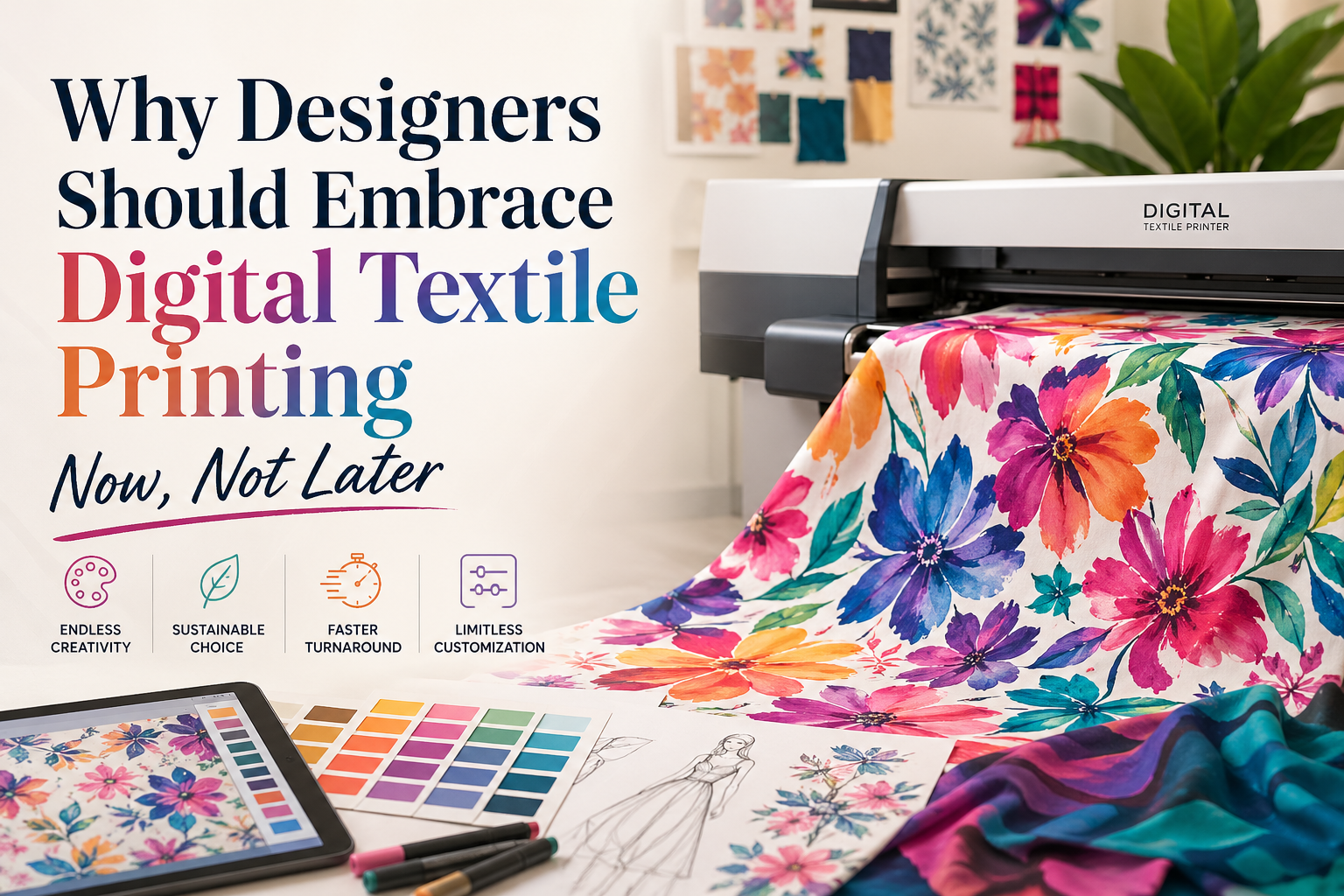
The fashion and textile industry in Saudi Arabia is undergoing a rapid transformation. With rising demand for customized apparel, faster production cycles, and sustainable practices, traditional printing methods are struggling to keep up. This is where digital textile printing is reshaping the game.
For designers, especially in the Saudi market where fashion is evolving quickly alongside Vision 2030 initiatives, adopting digital textile printing is no longer optional—it’s a competitive necessity. This article explores why now is the right time to make the shift and how it can unlock creative and commercial advantages.
What is Driving the Shift Toward Digital Textile Printing?
Digital textile printing uses inkjet technology to print designs directly onto fabric, eliminating the need for traditional screens or plates. This allows for high-detail prints, faster production, and greater flexibility.
According to industry research, the global digital textile printing market is expected to grow at over 12% CAGR through 2030, driven largely by fashion brands seeking on-demand production and reduced waste.
In Saudi Arabia, this trend is accelerating due to:
-
Growing demand for personalized fashion and abayas
-
Expansion of local fashion brands
-
Government support for manufacturing innovation
-
Increasing focus on sustainability in textiles
1. Faster Turnaround Times = Faster Market Entry
In traditional textile printing, setting up screens and preparing production can take days or even weeks. In contrast, digital textile printing allows designers to move from concept to finished fabric in hours.
This speed is crucial in today’s fashion environment, where trends change quickly. A designer in Riyadh or Jeddah can now respond to seasonal demand almost instantly, reducing the risk of overproduction and missed opportunities.
2. Unlimited Design Freedom for Creative Expression
One of the biggest advantages of digital textile printing is design flexibility.
Designers are no longer restricted by the limitations of screen printing. They can now:
-
Print complex gradients and photographic-quality images
-
Use unlimited color combinations
-
Easily customize designs for niche audiences
A fashion designer working on luxury abayas, for example, can experiment with intricate Islamic geometric patterns or personalized motifs without worrying about setup costs.
3. Cost Efficiency for Small and Large Batches
Traditional printing becomes expensive for small production runs due to setup costs. This often forces designers to overproduce inventory.
With digital textile printing, there are no screens or plates required. This makes:
-
Small-batch production economically viable
-
On-demand manufacturing possible
-
Inventory waste significantly lower
For emerging designers in Saudi Arabia, this is a game-changer. It allows them to test collections in the market without heavy financial risk.
4. Sustainability Matters More Than Ever
Sustainability is becoming a major focus in the global fashion industry—and Saudi Arabia is no exception.
Digital textile printing supports eco-friendly production by:
-
Reducing water consumption (up to 50% less than conventional methods in many cases)
-
Minimizing dye waste
-
Lowering fabric overproduction
With global consumers increasingly preferring sustainable brands, adopting greener production methods is not just ethical—it’s strategic.
5. Growing Demand in the Saudi Fashion Market
Saudi Arabia’s fashion industry is expanding rapidly, with increasing demand for the following:
-
Customized abayas and modest wear
-
Boutique fashion brands
-
Event-based and seasonal collections
This shift toward personalization aligns perfectly with digital textile printing capabilities. Designers can now offer unique, made-to-order designs that appeal to modern Saudi consumers who value individuality and exclusivity.
6. Competitive Advantage for Early Adopters
The reality is simple: designers who adopt digital textile printing early gain a strong competitive edge.
They can:
-
Launch collections faster than competitors
-
Offer more design variations
-
Reduce production costs
-
Respond quickly to customer feedback
In a fast-moving market like Saudi Arabia’s fashion industry, agility often determines success.
Conclusion: The Time to Act is Now
The shift toward digital textile printing is not a future trend—it is happening right now. Designers in Saudi Arabia who delay adoption risk falling behind in creativity, speed, and market relevance.
By embracing this technology today, designers can unlock new levels of innovation, efficiency, and profitability.
If you're a designer, fashion brand, or textile business in Saudi Arabia, now is the time to explore digital transformation in your production process. Start by testing small batches, experimenting with new designs, and partnering with modern printing solutions.
The future of fashion is digital—and it’s already here.

 English
 Arabic
 French
 Spanish
 Portuguese
 Deutsch
 Dutch
Dutch
 Italiano
 Russian
 Romaian
 Portuguese (Brazil)
 Greek
Greek