
Retaining Wall Installation Explained: What Homeowners Need to Know First
A retaining wall can change how your yard looks and how it works. It can stop soil from sliding, improve drainage, and make outdoor spaces safer and cleaner. This guide explains everything homeowners should know before starting, from planning to materials to common mistakes, so you can make smart choices with confidence and avoid costly problems.
What a Retaining Wall Really Does
A retaining wall holds soil in place. It prevents dirt from moving downhill and protects your yard from erosion. It also helps manage water and keeps your property stable. While it looks simple, it plays a very important role in protecting your home and landscape.
Why Retaining Walls Are More Than Just Decoration
Many people think retaining walls are only for looks. In reality, they solve serious problems. They protect foundations, stop flooding in yards, and keep slopes from collapsing. When built correctly, they add both safety and value to your home.
When Homeowners Usually Need a Retaining Wall
You may need a retaining wall if your yard has a slope, uneven ground, or soil that washes away after rain. Homes near hills, pools, or driveways often benefit the most. Spotting these signs early can prevent bigger problems later
Understanding Retaining Wall Installation Basics
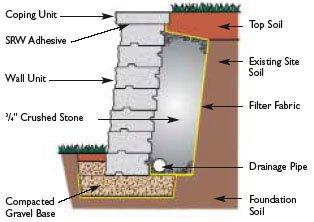
Retaining wall installation is not just stacking blocks or stones. It involves planning, digging, leveling, drainage, and strong support. Each step matters. Skipping one step can cause the wall to lean, crack, or fail over time.
Why Planning Comes Before Building
Good planning saves time and money. You need to know where the wall will go, how tall it should be, and what soil you are working with. Planning also helps decide if permits are needed. A clear plan avoids surprises later.
Choosing the Right Location
The wall should be placed where it can best control soil and water. Poor placement can make problems worse. A well-placed wall supports the land instead of fighting against it.
Common Retaining Wall Materials Explained Simply
Retaining walls can be built from concrete blocks, stone, brick, or poured concrete. Concrete blocks are popular because they are strong and last long. Natural stone looks great but may cost more. The right choice depends on budget, style, and purpose.
Why Drainage Is the Most Important Part
Water pressure is the main reason retaining walls fail. Good drainage lets water escape instead of pushing against the wall. Drain pipes, gravel, and proper grading help keep the wall safe and strong.
How Wall Height Changes Everything
Short walls are easier to build. Taller walls need more support and stronger design. As height increases, the need for proper base, drainage, and reinforcement becomes more important. Taller walls often require professional help.
The Role of a Strong Base
The base holds everything together. A weak base leads to cracks and leaning. A solid base is made of compacted gravel or concrete. This step is often hidden but is one of the most important parts.
Why Soil Type Matters
Not all soil is the same. Some soils hold water. Others drain fast. Clay soil creates more pressure behind walls. Knowing your soil type helps decide the right design and materials.
DIY vs Professional Installation
Some small walls can be DIY projects. But larger or structural walls need experience. Mistakes can be costly and dangerous. Knowing when to hire help protects your property and safety.
Safety Concerns Homeowners Should Not Ignore
A failing retaining wall can cause injuries or damage. Leaning walls, cracks, or bulging are warning signs. Building it right from the start helps avoid risks later.
Permits and Local Rules
Some retaining walls need permits, especially taller ones. Rules protect homeowners from unsafe builds. Checking local rules before starting avoids fines and rebuilds.
How Long a Retaining Wall Should Last
A well-built retaining wall can last decades. Good materials, proper drainage, and correct installation make the difference. Poor shortcuts reduce lifespan quickly.
Cost Factors Explained Simply
Costs depend on size, materials, location, and labor. Taller walls and harder soil cost more. Spending a bit more on quality now often saves money later.
Signs of Poor Installation to Watch For
Cracks, leaning, or water pooling near the wall are signs of trouble. These issues often come from poor drainage or weak bases. Early fixes prevent full failure.
How Retaining Walls Improve Property Value
A strong retaining wall improves curb appeal and safety. Buyers value stable land and clean outdoor spaces. A good wall adds both beauty and function.
Maintenance Tips That Extend Wall Life
Simple care goes a long way. Keep drains clear. Watch for small cracks. Fix minor issues early. Regular checks help walls last longer.
Why Rushing the Job Is a Bad Idea
Fast builds often skip important steps. Retaining walls needs patience and precision. Taking time during installation leads to better results and fewer repairs.
Final Thoughts for Homeowners
Retaining walls are serious structures, not just landscaping features. When planned and built correctly, they protect your home, improve your yard, and last for years. Understanding the basics helps you make smart decisions and avoid common mistakes.
For homeowners and contractors looking for clear, practical guidance and industry-focused insights, DFW Retaining Walls & Pool Demo provides helpful resources that support safe planning and long-lasting results.
FAQs
Q1. How tall can a retaining wall be without special support?
Short walls may not need extra support, but taller walls often require reinforcement and permits. Always check local rules.
Q2. Can a retaining wall fail years after installation?
Yes. Poor drainage or weak foundations can cause failure over time. Regular checks help prevent this.
Q3. Is drainage really that important?
Yes. Water pressure is the top cause of wall failure. Proper drainage protects the wall long-term.

 English
 Arabic
 French
 Spanish
 Portuguese
 Deutsch
 Turkish
 Italiano
 Russian
 Romaian
 Portuguese (Brazil)
 Greek
Greek