
Master the Art of Geometric Movement: A Beginner's Guide to Rhythm-Based Platforming
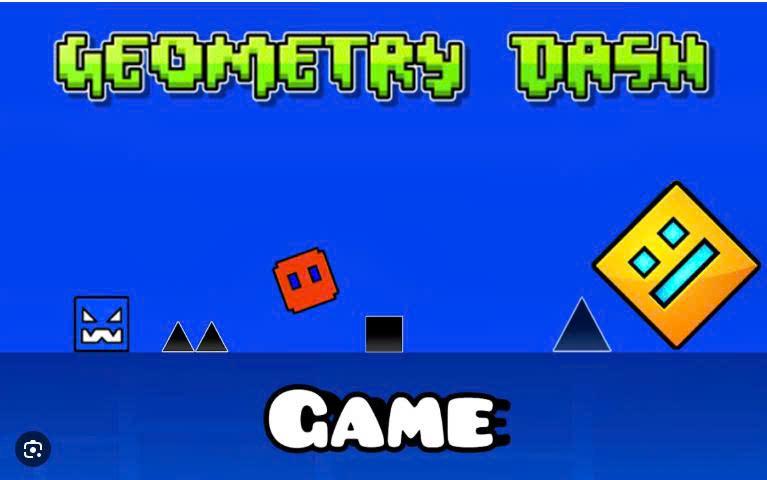
If you've ever watched someone play a rhythm-based platformer and felt mesmerized by the synchronized jumps and perfectly-timed movements, you're not alone. Games like Geometry Dash have captivated millions of players worldwide, and honestly, it's easier to start playing than you might think. Let me walk you through what makes these games so engaging and how you can begin your own geometric adventure.
What Makes Geometry Dash So Special?
At its heart, Geometry Dash is deceptively simple: you control a square that needs to navigate through obstacle-filled levels while perfectly syncing your movements to an energetic soundtrack. The game combines platforming mechanics with music timing, creating an experience that feels like conducting a digital symphony with your keyboard or mouse.
The appeal lies in its accessibility paired with surprising depth. You don't need fancy graphics or complicated storylines—just pure, refined gameplay that challenges your reflexes and determination. Each level is a bite-sized test of skill that keeps you coming back for "one more try."
Understanding the Basics
When you first launch the game, you'll control your geometric character through levels using simple inputs. For keyboard players, it's typically just spacebar or the up arrow key. For mobile or mouse players, it's a tap or click. Timing is everything here.
The gameplay revolves around jumping over spikes, navigating through tight corridors, and avoiding hazards—all while the background pulses with the rhythm. What makes this special is how the obstacles align with the music. Jumps often correspond with beat drops or musical peaks, which creates this satisfying sensation of moving in harmony with the soundtrack.
The levels progress from introductory courses that teach you the basics to increasingly complex challenges. Some levels introduce new mechanics like gravity-flipping sections where your perspective literally inverts, or cube modes where your character transforms and behaves differently.
Helpful Tips for New Players
Start with the easier levels. This might seem obvious, but seriously—don't jump straight into the hardest difficulties. The early levels exist to build muscle memory and help you understand how your character responds to timing. This foundation is invaluable.
Practice specific sections. Most rhythm-based platformers let you restart from checkpoints. Use this feature liberally. If you keep failing at a particular spike section, practice just that part until it feels natural. This chunked learning approach makes difficult levels much less overwhelming.
Focus on the music, not the visuals. While the game looks great, your ears are often more reliable guides than your eyes. Listen to where the beats and drops occur—they'll tell you when to jump. The visual elements are designed to complement the audio timing.
Don't memorize everything. While some players memorize entire levels, this isn't necessary for enjoying the game. Instead, develop an instinctive feel for timing. You'll gradually internalize the rhythm patterns, and everything starts flowing more naturally.
Take breaks. It might sound counterintuitive, but stepping away for a bit actually helps. Your brain processes muscle memory during downtime, and you'll often find a level easier after taking a break.
Watch others play. Watching experienced players tackle difficult levels can teach you strategies and give you motivation. You'll see different approaches to the same challenges.
Why This Genre Matters
Geometry Dash and similar games prove that you don't need cutting-edge technology or complex narratives to create something compelling. These games tap into fundamental human satisfaction: the joy of perfect timing, the relief of finally clearing a tough section, and the meditative focus that rhythm games inspire.
Getting Started Today
The beauty of Geometry Dash is that you can jump in right now, without commitment or confusion. Give yourself permission to struggle through early levels while you're learning. That's where the real fun begins—not in perfection, but in the gradual improvement and those magical moments when everything clicks.
The geometry jump experience awaits. Your square is ready.

 English
 Arabic
 French
 Spanish
 Portuguese
 Deutsch
 Dutch
Dutch
 Italiano
 Russian
 Romaian
 Portuguese (Brazil)
 Greek
Greek