
Deck Design for Beginners: Easy Planning Tips That Actually Work
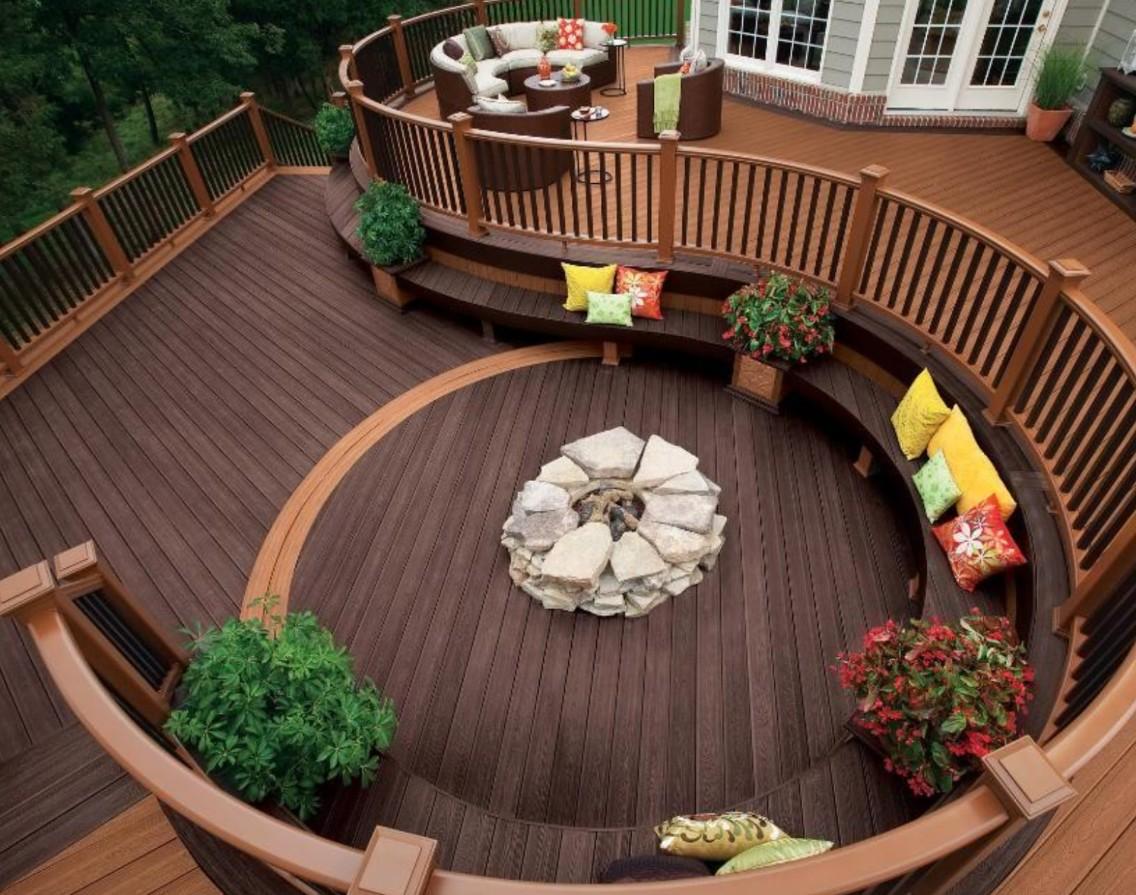
Building a deck can feel exciting and confusing at the same time, especially if it’s your first one. The good news is that good deck design does not need to be complicated. With the right planning steps, you can create a deck that looks great, feels comfortable, and works well for everyday life. This guide explains simple, proven tips that help beginners avoid mistakes and plan a deck they will truly enjoy for years.
Start With a Clear Purpose
Before thinking about size or style, ask one simple question: How will you use the deck? Some people want a quiet place to relax, while others want space for family meals or small gatherings. Your purpose guides every decision that follows. When the goal is clear, planning becomes much easier.
Choose the Right Location First
Where you place your deck matters more than most people think. A deck near the kitchen is great for meals, while a deck near the yard is better for play and relaxation. Sun, shade, and wind also affect comfort. Picking the right spot early helps you avoid changes later.
Think About Size, Not Just Looks
Bigger is not always better. A deck should fit your space and your needs. Too small feels crowded. Too large feels empty and costs more. Measure carefully and imagine furniture and walking space. A well-sized deck feels just right and is easier to enjoy.
Keep the Shape Simple
Simple shapes are easier to build and easier to use. Square or rectangular decks work well for beginners. Complex curves may look nice but add cost and planning stress. Simple shapes allow better furniture placement and smoother movement.
Plan for Easy Movement
A deck should feel easy to walk on. Leave enough space between doors, furniture, and railings. Think about how people will move from inside to outside. Good flow makes the deck feel welcoming and safe.
Pick Materials That Match Your Lifestyle
Deck materials affect look, feel, and upkeep. Wood feels warm but needs care. Composite materials last longer and need less work. Think about time, budget, and weather. Choosing the right material makes your deck easier to maintain.
Don’t Forget About Safety
Safety should never be an afterthought. Railings, steps, and edges must be secure. Non-slip surfaces help prevent falls. A safe deck lets everyone relax without worry, including kids and guests.
Understand Local Rules Early
Most areas have building rules for decks. These rules cover height, railings, and placement. Checking rules early saves time and avoids fines. It also helps you design with confidence from the start.
Plan for Furniture Before Building
Many beginners plan the deck first and furniture later. This often leads to tight spaces. Decide what furniture you want before finalizing the layout. Planning this early helps create a deck that feels comfortable, not crowded.
Think About Weather and Drainage
Rain, snow, and heat all affect decks. Good drainage keeps water from pooling. Shade options help during hot days. Planning for weather makes the deck usable in more seasons and keeps it in better shape.
Add Lighting for Comfort and Safety
Lighting extends deck use into the evening. Soft lights on steps and edges improve safety. Simple lighting also adds warmth and style. A well-lit deck feels inviting, even after sunset.
Keep Maintenance in Mind
Some decks need regular staining or sealing. Others need simple cleaning. Be honest about how much upkeep you want to handle. Choosing low-maintenance options saves time and keeps the deck looking good longer.
Budget Smart From the Start
Set a clear budget before planning details. This helps you choose materials and size wisely. Always leave a small buffer for surprises. Smart budgeting keeps the project enjoyable, not stressful.
Avoid Common Beginner Mistakes
Many beginners rush the design stage. Others copy designs that don’t fit their space. Take your time and plan based on your home, not trends. Simple, thoughtful choices usually work best.
Make the Deck Feel Like Part of the Home
A good deck feels connected to the house, not separate. Match colors and style with your home’s exterior. This creates a smooth transition and improves overall look and value.
Plan for the Future
Think beyond today. Will your needs change? Extra space or flexible layout helps later. Planning ahead saves money and prevents future rebuilds.
When to Ask for Professional Help
If planning feels overwhelming, getting advice can help. Professionals can spot issues early and suggest better layouts. Even simple guidance can make a big difference in results.
Why Good Planning Always Wins
A deck is not just wood and boards. It’s a place to relax, talk, and enjoy time outdoors. Good planning turns a simple structure into a space you love. The effort you put in now pays off every time you step outside.
Final Thoughts
Deck design for beginners works best when kept simple and thoughtful. Focus on purpose, comfort, safety, and future needs. With these easy tips, planning becomes clear and enjoyable. A well-planned deck adds comfort, value, and joy to your home.
FAQs
1. What is the best deck size for beginners?
A medium-sized deck that fits furniture and walking space is best. Bigger is not always better.
2. Is wood or composite better for first-time decks?
Composite is easier to maintain. Wood costs less upfront but needs more care.
3. Should beginners design a deck alone?
You can start alone, but advice helps avoid mistakes and improves results.

 English
 Arabic
 French
 Spanish
 Portuguese
 Deutsch
 Dutch
Dutch
 Italiano
 Russian
 Romaian
 Portuguese (Brazil)
 Greek
Greek