
Top Kitchen Cabinet Design Mistakes and How to Avoid Them
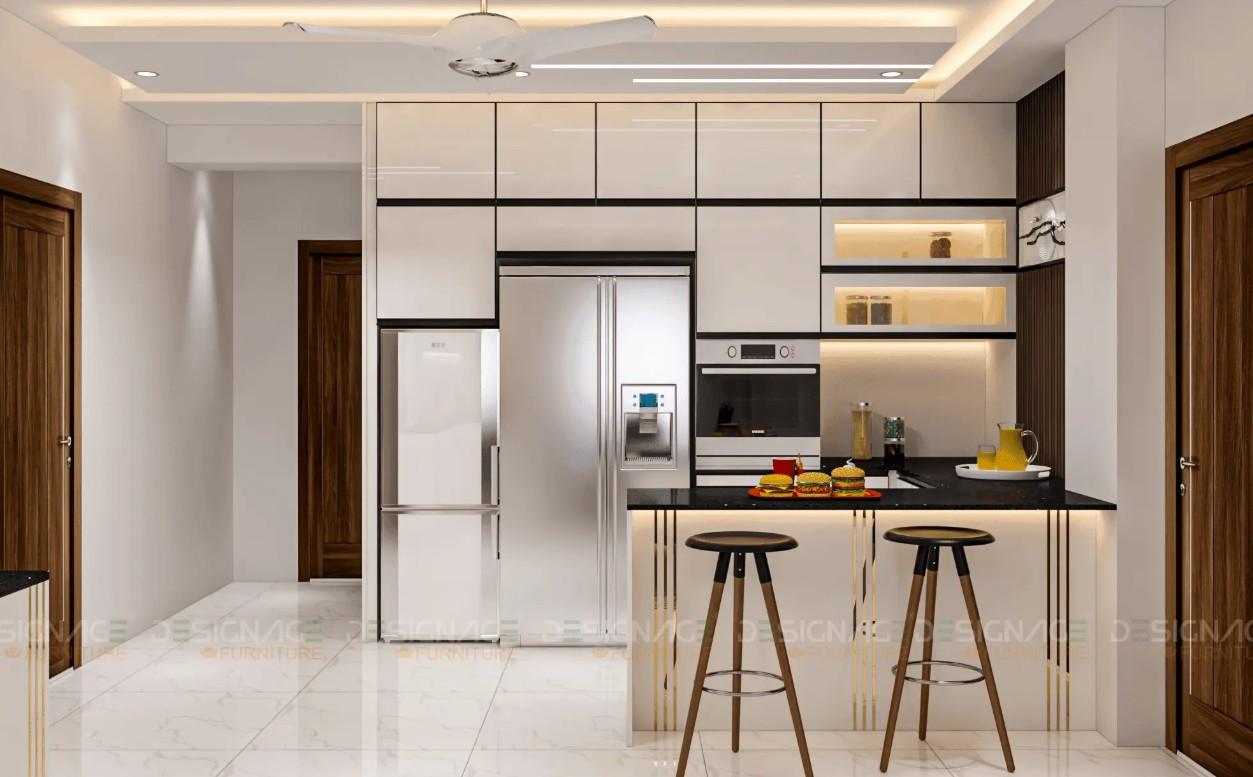
A kitchen can look beautiful at first and still feel frustrating every day. This usually happens because of small design mistakes that grow into big problems over time. In this guide, you will learn the most common kitchen cabinet design mistakes and how to avoid them before they cost you money, space, or comfort. From poor planning to bad layout choices, this article shows you how to make smarter decisions and create a kitchen that truly works for you.
Why Cabinet Design Mistakes Matter So Much
Kitchen cabinets are used every single day. If they are too high, too deep, or placed wrong, daily tasks become harder. A poor design can cause wasted space, messy storage, and even safety risks. The good news is that most mistakes are easy to avoid when you know what to watch for. Awareness is the first step to a better kitchen.
Mistake 1: Designing Without a Clear Plan
One of the biggest errors is starting without a full plan. Many people pick cabinet styles before thinking about how they cook or move in the kitchen. This often leads to awkward layouts and unused space. A clear plan should include storage needs, walking space, and daily habits. When you plan first, your kitchen works better from day one.
Mistake : Ignoring Daily Kitchen Habits
Every home uses the kitchen differently. Some people cook daily, while others cook only on weekends. Ignoring these habits leads to cabinets that do not match real needs. For example, storing plates far from the dishwasher wastes time. Smart cabinet placement supports how you actually live, not how a showroom looks.
Mistake : Poor Cabinet Height Choices
Cabinet height matters more than most people think. Cabinets that are too high are hard to reach. Cabinets that are too low waste wall space. This mistake can make storage uncomfortable or unsafe. Choosing the right height keeps items easy to grab and makes the kitchen feel balanced and calm.
Mistake : Choosing Style Over Function
Beautiful cabinets are great, but function always comes first. Some trendy designs lack enough shelves or proper door swing space. This creates daily frustration. A good kitchen cabinet design blends style with smart storage. When form and function work together, your kitchen feels both stylish and practical.
Mistake : Not Enough Storage Space
Running out of storage is a common regret. Many kitchens look clean at first but quickly become cluttered. This happens when cabinets are not planned for real storage needs. Deep drawers, tall cabinets, and smart corner solutions help avoid this problem. More storage means less stress later.
Mistake : Wasting Corner Spaces
Corner cabinets are often ignored or poorly designed. Without the right solution, these spaces become dark and unused. Lazy Susans, pull-out shelves, or swing trays can turn corners into valuable storage. When used wisely, corner cabinets add both space and convenience.
Mistake : Bad Drawer Placement
Drawers placed too low or too high can be uncomfortable. Heavy drawers should be easy to pull out without bending too much. Poor drawer placement makes daily cooking tiring. Thoughtful placement keeps movement smooth and saves your back and knees over time.
Mistake : Forgetting About Door Swing Space
Cabinet doors need room to open fully. When designers forget this, doors hit walls, appliances, or each other. This can damage cabinets and slow down movement. Checking door swing space early prevents this simple but annoying mistake.
Mistake : Using Low-Quality Materials
Cheap materials may look fine at first but wear out quickly. Peeling finishes, weak hinges, and soft shelves cause long-term problems. Choosing durable materials saves money over time. Quality cabinets last longer, feel stronger, and stay attractive with daily use.
Mistake : Ignoring Lighting Needs
Cabinets can block light if not planned carefully. Dark corners and shadowed counters make cooking harder. Under-cabinet lighting or smart cabinet spacing helps brighten work areas. Good lighting improves safety and makes the kitchen more inviting.
Mistake : Skipping Professional Measurements
Guessing measurements is risky. Even small errors can cause gaps, tight fits, or uneven lines. Professional measuring ensures cabinets fit perfectly. Accurate sizing helps everything align smoothly and look polished once installed.
Mistake : Overlooking Future Needs
Many people design for today only. But needs change over time. Families grow, mobility changes, and storage needs increase. Flexible cabinet designs allow easy updates later. Planning for the future keeps your kitchen useful for years.
Mistake : Poor Color and Finish Choices
Dark or glossy finishes can show fingerprints and scratches easily. Very light finishes may stain quickly. Choosing the right color and finish helps cabinets stay clean-looking with less effort. Neutral and durable finishes age better and suit more styles.
Mistake : Not Testing Cabinet Features
Soft-close drawers, pull-out shelves, and handles should be tested before choosing them. What looks good may not feel right in daily use. Testing features helps avoid regret and ensures comfort. Small details make a big difference.
How to Avoid These Mistakes Altogether
The best way to avoid cabinet design mistakes is slow, thoughtful planning. Measure carefully, think about daily habits, and focus on function first. Ask questions and explore options before deciding. A little extra time upfront saves years of frustration.
Final Thoughts
Kitchen cabinets shape how your kitchen feels and works every day. Most design mistakes come from rushing or copying trends without thinking. By avoiding the errors shared here, you can create a kitchen that feels easy, organized, and enjoyable. Smart choices today lead to comfort tomorrow.
FAQs
Q: What is the most common kitchen cabinet design mistake?
A: Lack of planning is the biggest issue. Without a clear plan, storage and layout often fail.
Q: Should cabinets be designed before appliances are chosen?
A: No. Appliances should be selected first so cabinets fit properly around them.
Q: How long should good kitchen cabinets last?
A: High-quality cabinets can last 20 years or more with proper care.

 English
 Arabic
 French
 Spanish
 Portuguese
 Deutsch
 Turkish
 Dutch
Dutch
 Italiano
 Romaian
 Portuguese (Brazil)
 Greek
Greek