
How Close Is Too Close? Safe Distance Rules for Power Lines Near Houses
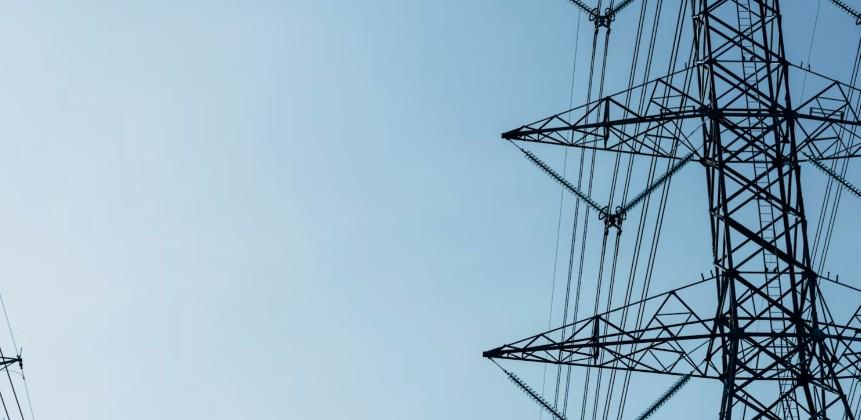
Living near electricity can feel normal because we see it every day. But when wires run close to a home, questions naturally come up. How close is safe? Should you worry? What rules protect your family? This guide explains safe distance rules in a clear and simple way. You will learn what distance matters, why it matters, and how to stay safe without fear or confusion.
Electric lines help power our homes, lights, and devices. But they also need space to work safely. Understanding that space helps homeowners make better decisions and feel more confident about where they live.
Why Distance From Power Lines Matters
Electricity moves fast and power lines with great force. When lines are too close to people or buildings, risks increase. These risks include electric shock, fire, and damage during storms. Distance helps lower those risks.
Safety rules exist to protect everyone, not to scare people. These rules are based on years of testing and real-world experience. When lines have enough space, they work safely and reliably. That is why distance is one of the most important safety factors.
What Safe Distance Really Means
Safe distance means keeping enough space between electric lines and anything people can touch. This includes houses, roofs, balconies, trees, and even ladders. The exact distance depends on the type of line and how much electricity it carries.
Lower lines usually need less space. Higher-voltage lines need much more. This difference is important and often misunderstood, which is why clear guidance matters.
Common Distance Rules Near Homes
Most safety standards agree on basic spacing rules for homes. While local codes can vary, general guidelines are very similar.
For typical residential areas, overhead lines should stay at least:
-
10 feet away from roofs, decks, or balconies
-
12 to 15 feet above the ground
-
Several feet away from windows and doors
These distances help prevent accidents during normal daily activities. They also allow room for repairs and movement during strong winds.
Why Higher Voltage Means More Space
Not all electric lines are the same. Lines that carry more electricity can create stronger electric fields. These fields need more space to stay safe.
Higher voltage lines are often placed farther from homes or higher in the air. This added distance helps reduce risks and keeps the system stable. The higher the voltage, the more important proper spacing becomes.
Trees and Power Lines: A Hidden Risk
Trees growing near lines may look harmless, but they can cause serious problems. Branches can touch wires, especially during storms or high winds. This can lead to power outages or fires.
Keeping trees trimmed at a safe distance is essential. This work should always be done by trained professionals. Trying to trim trees near electric lines yourself can be extremely dangerous.
Building or Renovating Near Power Lines
Planning a new deck, garage, or home addition? Distance rules apply here too. Any structure built too close to electric lines can violate safety codes.
Before building, always check local regulations and utility guidelines. Planning ahead helps avoid costly changes later and keeps everyone safe from harm.
Can You Live Safely Near Power Lines?
Yes, many people live safely near electric lines every day. Safety depends on proper installation, correct spacing, and regular maintenance. When rules are followed, risks stay low.
Fear often comes from not understanding how systems work. Learning the facts helps replace worry with confidence and informed choices.
What About Health Concerns?
Some people worry about long-term health effects from living near electric lines. Research continues in this area, but most safety standards focus on preventing direct hazards like shock and fire.
Distance rules are designed with caution in mind. Keeping proper space helps reduce exposure and improves overall safety for everyone in the area.
Why You Should Never Touch or Approach Lines
Even if a line looks harmless, it can be extremely dangerous. Electricity cannot be seen, smelled, or heard. A safe-looking wire can still carry deadly current.
Always stay far away from fallen or low-hanging lines. Call professionals right away if you see a problem. Staying alert can prevent serious injuries.
Understanding Utility Right-of-Way Areas
Some properties include utility access zones. These areas allow utility workers to reach and repair lines safely. Building or planting in these zones can be restricted.
Knowing where these areas are helps you plan better and avoid future issues. It also ensures emergency crews can do their jobs quickly when needed.
Weather Makes Distance Even More Important
Wind, rain, snow, and ice can cause lines to move or sag. Extra space allows for this movement without danger.
Distance rules are not only for calm days. They are designed for worst-case weather conditions, which is when safety matters most.
What to Do If Lines Are Too Close
If you believe electric lines are too close to your home, do not ignore it. Start by contacting your local utility provider or a qualified professional.
They can inspect the area and explain what steps, if any, are needed. Early action can prevent future problems and give you peace of mind.
Simple Safety Tips for Homeowners
Staying safe does not require expert knowledge. A few simple habits make a big difference:
-
Never use ladders near electric lines
-
Keep kites, tools, and poles far away
-
Teach children to stay clear of wires
-
Report damaged lines immediately
Small actions help protect lives.
Why Professional Guidance Matters
Electric systems are complex and powerful. Guessing or relying on online rumors can be dangerous. Professional advice ensures decisions are based on facts, not fear.
When experts follow safety rules, they protect homes, families, and communities for the long term.
Final Thoughts on Safe Distances
Safe distance rules exist for one main reason: protection. They protect people, homes, and the electrical system itself. Knowing these rules helps you live more confidently and safely.
Understanding where lines are and why space matters turns a common worry into useful knowledge. That knowledge empowers better choices every day.
FAQs
Q: How close can power lines be to a house?
A: Most residential guidelines require at least 10 feet of clearance from structures like roofs, decks, and balconies to reduce safety risks.
Q: Can I trim tree branches near electric lines myself?
A: No. Tree trimming near electric lines should only be done by trained professionals due to the high risk of electric shock.
Q: Are underground lines safer than overhead lines?
A:Underground lines reduce some risks but still require strict safety rules. Both systems are safe when properly installed and maintained.

 English
 Arabic
 French
 Portuguese
 Deutsch
 Turkish
 Dutch
Dutch
 Italiano
 Russian
 Romaian
 Portuguese (Brazil)
 Greek
Greek