
FF&E Specification Guide for Hospitality Projects
In construction and hospitality development, precision is essential at every stage of a project. From architectural design to interior execution, every detail must be clearly defined to ensure consistency, quality, and cost efficiency. One of the most critical aspects of interior planning is specifying materials, furniture, and equipment accurately.
Without clear documentation, projects often face confusion, delays, and budget overruns. Proper specifications ensure that all stakeholders, including designers, contractors, and procurement teams, work with the same expectations and standards.
This is where ff&e specification becomes essential, providing detailed documentation of furniture, fixtures, and equipment requirements for hotels, offices, and commercial spaces. It ensures that every item meets design intent, quality standards, and budget constraints.
What Is FF&E in Construction and Hospitality?
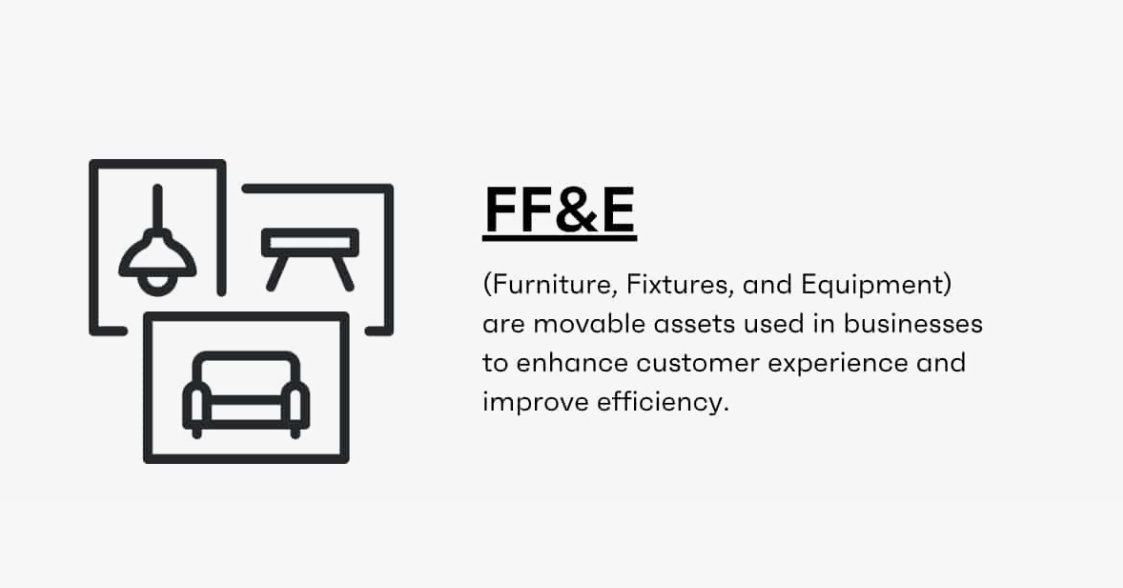
FF&E stands for Furniture, Fixtures, and Equipment. These are movable items within a building that are not permanently attached to the structure. They include beds, sofas, tables, lighting fixtures, appliances, and decorative elements.
In hospitality and commercial environments, FF&E plays a major role in defining aesthetics, comfort, and functionality. These elements directly influence user experience and brand identity.
Because FF&E items vary widely in design, material, and cost, precise specification is necessary for successful project execution.
What Is FF&E Specification?
FF&E specification refers to the detailed documentation that outlines the exact requirements for each furniture, fixture, and equipment item in a project. It includes descriptions, dimensions, materials, finishes, supplier information, and performance standards.
These specifications serve as a reference for procurement teams, manufacturers, and contractors to ensure that all items meet the required design and quality criteria.
In large-scale projects such as hotels and commercial buildings, FF&E specifications are essential for maintaining consistency and avoiding costly errors.
Importance of FF&E Specification in Projects
Clear and accurate specifications are vital for ensuring smooth project execution. They eliminate ambiguity and provide a standardized framework for procurement and installation.
Without proper specifications, teams may face inconsistencies in product quality, design mismatches, and delivery delays.
Well-prepared specifications also help control costs by clearly defining product requirements and preventing unnecessary changes during procurement.
Key Elements of FF&E Specification
1. Product Description
Detailed explanation of each item, including design intent and functional purpose.
2. Dimensions and Measurements
Exact size specifications to ensure proper fit within the space.
3. Materials and Finishes
Information about fabrics, metals, wood types, and surface finishes.
4. Performance Standards
Durability, safety, and compliance requirements for each item.
5. Supplier and Manufacturer Details
Approved vendors and sourcing guidelines for procurement teams.
Role of FF&E Specification in Procurement
FF&E specifications act as a foundation for procurement activities. They guide purchasing decisions and ensure that all items meet design and quality expectations.
Procurement teams rely on these documents to compare supplier offerings, evaluate pricing, and confirm product suitability.
Accurate specifications reduce the risk of ordering incorrect or non-compliant items, saving both time and cost.
Importance in Design Consistency
Consistency is a key factor in hospitality and commercial design. FF&E specifications ensure that all interior elements align with the overall design concept.
From color schemes to material selection, specifications help maintain uniformity across different spaces within a project.
This is especially important in branded hotels and large developments where consistency directly impacts customer experience.
Challenges in FF&E Specification Development
Design Complexity
Modern interiors often include custom-designed furniture, making specifications more detailed and complex.
Frequent Design Changes
Changes during the design phase can require frequent updates to specifications.
Supplier Variability
Different manufacturers may interpret specifications differently, leading to inconsistencies.
Coordination Issues
Lack of communication between design and procurement teams can result in errors.
Role of Technology in FF&E Specification
Digital tools have significantly improved the process of creating and managing specifications. Software platforms allow designers to create detailed specification sheets with real-time updates.
Building Information Modeling (BIM) is widely used to integrate specifications into 3D design environments, improving accuracy and coordination.
Cloud-based systems also allow teams to collaborate globally, ensuring that all stakeholders have access to updated information.
Benefits of Professional FF&E Specification Services
1. Improved Accuracy
Reduces errors in procurement and installation.
2. Cost Control
Helps prevent unnecessary spending and budget overruns.
3. Better Coordination
Improves communication between designers, contractors, and suppliers.
4. Enhanced Quality Assurance
Ensures all items meet required standards and expectations.
Sustainability in FF&E Specification
Sustainability is becoming an important factor in modern specification processes. Many projects now include eco-friendly materials and energy-efficient products in their specifications.
This helps reduce environmental impact while maintaining design quality and functionality.
Sustainable specifications also improve brand reputation and align with global green building standards.
Best Practices for Creating FF&E Specifications
Early Development
Start specification development during the early design phase to avoid delays.
Clear Documentation
Ensure all details are clearly written and easy to understand.
Regular Updates
Update specifications whenever design changes occur.
Cross-Team Collaboration
Involve designers, procurement teams, and suppliers in the specification process.
Future Trends in FF&E Specification
The future of specification development is becoming more digital and automated. AI-powered tools are improving accuracy and reducing manual effort in documentation.
Standardized digital libraries are also making it easier to manage product data and streamline procurement processes.
Integration with BIM and cloud platforms is expected to become standard practice in large-scale projects.
Final Thoughts
Accurate and well-structured documentation is essential for successful interior project execution. A clear ff&e specification ensures that all furniture, fixtures, and equipment align with design intent, budget requirements, and quality standards.
By providing detailed guidance for procurement and installation, specifications help reduce risks, improve efficiency, and maintain consistency across projects. In modern construction and hospitality environments, they are a critical tool for delivering high-quality, well-coordinated interior spaces.

 English
 Arabic
 French
 Spanish
 Portuguese
 Turkish
 Dutch
Dutch
 Italiano
 Russian
 Romaian
 Portuguese (Brazil)
 Greek
Greek