
Ananda Balasana Pose: A Complete Guide to the Happy Baby Yoga Posture
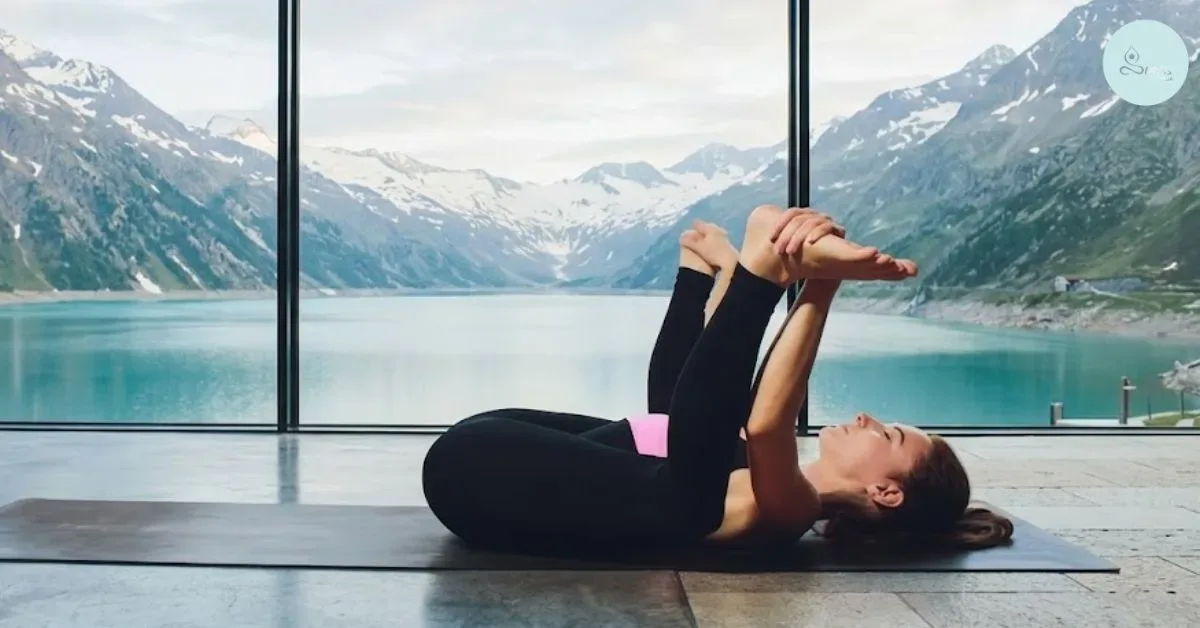
The ananda balasana pose, commonly known as Happy Baby Pose, is a simple yet deeply effective yoga posture that promotes relaxation, flexibility, and inner calm. Derived from the Sanskrit words “Ananda” meaning bliss or happiness, “Bala” meaning baby, and “Asana” meaning pose, this posture resembles the carefree and joyful movement of a baby lying on its back. The ananda balasana pose is widely practiced in yoga sessions across the world due to its soothing nature and powerful physical and mental benefits.
In this detailed guide, we will explore everything you need to know about the ananda balasana pose, including its benefits, step-by-step instructions, variations, precautions, and tips for beginners and advanced practitioners.
What is Ananda Balasana Pose?
The ananda balasana pose is a restorative yoga posture performed while lying on your back. It primarily targets the hips, inner thighs, and lower back. This pose allows the body to release built-up tension, especially in areas that are often tight due to prolonged sitting or physical stress.
The gentle stretching and grounding nature of the ananda balasana pose make it an excellent addition to both beginner and advanced yoga routines. It is often included at the end of a session to help the body cool down and transition into relaxation or meditation.
How to Do Ananda Balasana Pose
Practicing the ananda balasana pose correctly ensures you get the maximum benefits while avoiding strain or injury. Follow these simple steps:
-
Start by lying flat on your back on a yoga mat. Keep your spine neutral and your arms resting beside your body.
-
Bend your knees and bring them toward your chest.
-
Hold your feet by grabbing the outer edges or the soles with your hands.
-
Open your knees wider than your torso, allowing them to move toward your armpits.
-
Keep your ankles stacked above your knees, forming a 90-degree angle.
-
Flex your feet gently and press them into your hands while pulling down slightly with your hands.
-
Relax your shoulders and neck, keeping them grounded on the mat.
-
Stay in the ananda balasana pose for 30 seconds to 1 minute, breathing deeply and evenly.
For an added benefit, you can gently rock side to side, massaging your lower back against the floor.
Benefits of Ananda Balasana Pose
The ananda balasana pose offers a wide range of physical, mental, and emotional benefits. Here are some of the most notable advantages:
1. Stretches the Hips and Inner Thighs
One of the primary benefits of the ananda balasana pose is its ability to deeply stretch the hips and groin area. This helps improve flexibility and mobility, especially for those who sit for long hours.
2. Relieves Lower Back Pain
By gently lengthening the spine and massaging the lower back, the ananda balasana pose can help reduce discomfort and tension in the lumbar region.
3. Promotes Relaxation
The calming nature of this pose encourages deep breathing, which activates the parasympathetic nervous system. This helps reduce stress and anxiety.
4. Improves Digestion
The gentle compression of the abdomen during the ananda balasana pose stimulates digestive organs, which may help improve digestion and relieve bloating.
5. Enhances Mind-Body Connection
The simplicity of the pose allows practitioners to focus on their breath and body awareness, enhancing mindfulness.
6. Supports Emotional Release
Hip-opening poses like the ananda balasana pose are believed to release stored emotional tension, leaving you feeling lighter and more relaxed.
Variations of Ananda Balasana Pose
The ananda balasana pose can be modified or intensified depending on your flexibility and comfort level.
1. Beginner Variation
If you cannot reach your feet, hold your ankles or use a yoga strap looped around your feet.
2. One-Leg Happy Baby
Extend one leg on the floor while holding the other foot. This variation helps isolate each hip individually.
3. Dynamic Rocking Variation
Gently rock from side to side to massage the spine and increase relaxation.
4. Straight-Leg Variation
For a deeper stretch, try straightening your legs upward while holding your feet, similar to a wide-legged stretch.
Common Mistakes to Avoid
While the ananda balasana pose is simple, there are some common mistakes you should avoid:
-
Lifting the head or shoulders off the floor – Keep your upper body relaxed and grounded.
-
Forcing your knees down – Allow gravity to do the work instead of pushing too hard.
-
Overstretching – Move only as far as your body comfortably allows.
-
Holding your breath – Maintain slow, steady breathing throughout the pose.
Precautions and Contraindications
Although the ananda balasana pose is generally safe, certain individuals should practice caution:
-
Neck or shoulder injuries – Keep your head supported and avoid strain.
-
Knee injuries – Avoid pulling too hard on the legs.
-
Pregnancy – Practice under guidance and modify as needed.
-
Severe hip issues – Consult a healthcare professional before attempting.
Always listen to your body and avoid any movement that causes pain.
Tips for Beginners
If you are new to yoga, here are some helpful tips for practicing the ananda balasana pose:
-
Start slowly and don’t force flexibility.
-
Use props like straps or cushions for support.
-
Focus on breathing rather than achieving the perfect form.
-
Practice regularly to gradually improve flexibility.
-
Stay relaxed and enjoy the process.
When to Practice Ananda Balasana Pose
The ananda balasana pose can be practiced at different times depending on your needs:
-
At the end of a yoga session for relaxation
-
Before bedtime to release tension and promote better sleep
-
After long periods of sitting to stretch the hips and back
-
During stress to calm the mind and body
Ananda Balasana Pose in Yoga Sequences
The ananda balasana pose fits well into various yoga sequences. It is often used as a cooling or restorative posture following more intense poses such as standing or balancing asanas. It pairs well with other hip-opening poses and gentle stretches.
You can also combine it with breathing exercises or meditation for a more holistic experience.
Conclusion
The ananda balasana pose is a beautifully simple yet powerful yoga posture that brings together physical relaxation and emotional well-being. Its gentle stretching action helps open the hips, relieve lower back tension, and promote overall flexibility. At the same time, it encourages mindfulness, deep breathing, and a sense of inner peace.
Whether you are a beginner or an experienced practitioner, incorporating the ananda balasana pose into your routine can greatly enhance your yoga practice. By practicing regularly and mindfully, you can experience the true essence of this pose—joy, relaxation, and a deep connection with your body.
Embrace the simplicity and happiness of the ananda balasana pose, and let it bring a sense of calm and balance into your daily life.

 English
 Arabic
 French
 Portuguese
 Deutsch
 Turkish
 Dutch
Dutch
 Italiano
 Russian
 Romaian
 Portuguese (Brazil)
 Greek
Greek