
How to Prepare for Basement Excavation Projects
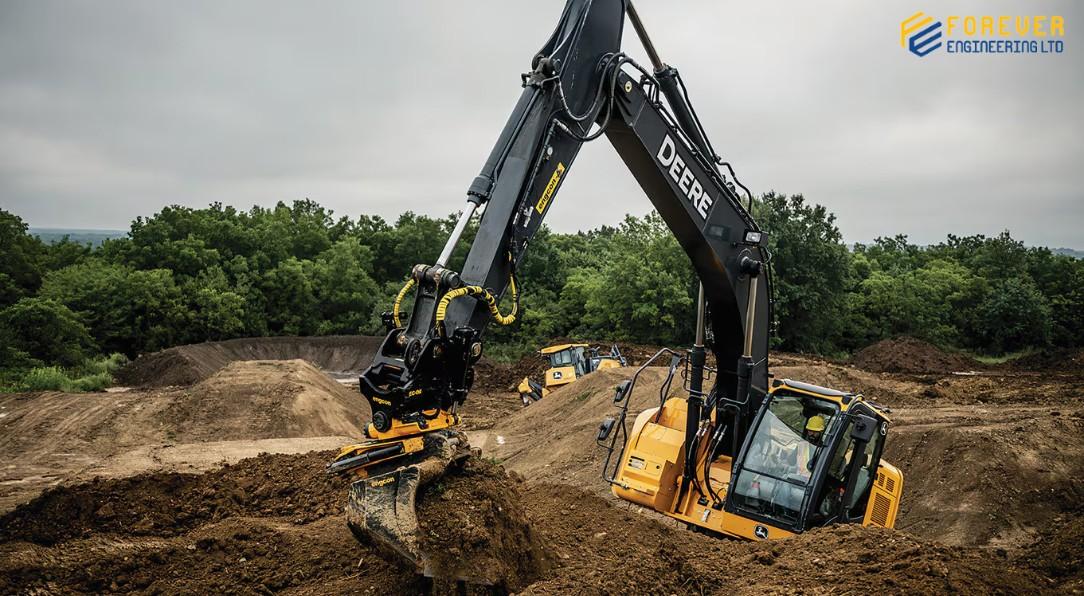
Excavating a basement is a major project that requires careful planning and preparation. Whether you’re building a new home, adding a basement to an existing property, or creating extra living space, preparation is the key to success. This guide will walk you through what you need to know before starting a basement excavation project, how to plan, and what to expect from professionals, so the process is smooth, safe, and efficient.
Why Proper Preparation Matters
Basement excavation involves heavy machinery, soil removal, and precise measurements. Mistakes can be costly and delay construction. Preparing properly helps prevent accidents, protects your property, and ensures that the foundation is stable. Careful planning sets the stage for a successful project from start to finish.
Assess Your Property and Space
Before starting, evaluate your property. Check the lot size, slope, soil type, and access points for machinery. Knowing your property’s conditions helps excavation professionals plan the work efficiently. Assessment reduces surprises and ensures that the project moves smoothly.
Understand the Purpose of Your Basement
Are you planning a living area, storage space, or home office? The intended use affects the design, depth, and reinforcement requirements. Knowing the purpose allows contractors to prepare the correct structure, drainage, and insulation. Purpose-driven planning leads to a basement that meets your needs.
Check Local Building Codes and Permits
Excavation is regulated in most areas. You’ll need permits for digging, foundation work, and plumbing. Check local regulations and ensure your project is compliant. Professionals with local experience understand these rules and can handle the paperwork. Following codes prevents fines and delays.
Hire Experienced Professionals
Basement excavation requires skilled contractors. Look for companies with experience in soil removal, shoring, and foundation preparation. Hiring a knowledgeable team ensures safety, proper equipment use, and accurate excavation. Professionals reduce the risk of mistakes that can affect the entire building.
Plan for Safety First
Excavation involves risks, including collapsing soil or underground utilities. Safety measures, such as shoring walls, marking utilities, and providing protective equipment, are essential. Prioritizing safety protects workers, your property, and the surrounding area.
Understand Your Soil and Ground Conditions
Different soils behave differently during excavation. Clay, sand, and rock each require unique equipment and techniques. Professionals often conduct soil tests to determine stability and drainage. Understanding soil conditions helps prevent unexpected issues and ensures a stable basement foundation.
Organize Access for Machinery and Materials
Heavy machinery like excavators and loaders need clear access to your property. Plan paths for equipment, material delivery, and debris removal. Organizing access reduces delays and prevents damage to landscaping or structures.
Remove Obstacles and Prepare the Site
Trees, fences, and other structures may need temporary removal. Clear the area to provide safe working space for machinery. Preparing the site in advance makes excavation faster and reduces potential hazards.
Plan for Debris Disposal
Excavation produces large amounts of soil and rock. Decide how to handle debris—whether hauling away, repurposing, or storing temporarily. Proper disposal planning keeps the site organized and prevents environmental issues.
Consider Drainage and Water Management
Basements are vulnerable to water. Plan proper drainage, sump pumps, or waterproofing measures. Professionals can install solutions to prevent flooding or moisture problems. Managing water early protects your basement and ensures a dry, usable space.
Decide on the Basement Depth and Dimensions
Depth and size depend on your plans, soil stability, and local codes. Accurate measurements guide excavation and foundation work. Planning dimensions carefully ensures the basement meets your functional needs and structural requirements.
Prepare Utilities and Services
Mark underground utilities like gas, water, and electrical lines before excavation. Contact local utility companies to avoid accidents. Proper preparation prevents damage and ensures safety during excavation.
Budget Realistically
Basement excavation costs vary depending on size, soil type, and complexity. Include expenses for machinery, permits, labor, debris removal, and unexpected challenges. A realistic budget prevents surprises and keeps the project on track financially.
Create a Timeline for the Project
Excavation is the first step in a larger construction schedule. Plan for each phase, including preparation, digging, foundation, and finishing. Timelines help coordinate contractors and ensure the project progresses smoothly.
Consider Environmental Impact
Excavation can affect local ecosystems and soil stability. Minimize impact by protecting nearby trees, managing runoff, and following environmental regulations. Responsible excavation maintains safety and compliance with local laws.
Communicate Clearly with Your Contractor
Clear communication ensures your expectations are understood. Discuss project goals, timelines, safety protocols, and budget. Open dialogue prevents misunderstandings and ensures that the excavation meets your needs.
Inspect Equipment and Tools
Excavation requires well-maintained machinery. Check that the contractor uses appropriate and reliable equipment. Proper tools increase efficiency, reduce risk, and ensure precise work.
Plan for Unexpected Challenges
Unexpected issues like underground rocks, tree roots, or soil instability can arise. Have contingency plans and a flexible timeline. Experienced contractors anticipate problems and provide solutions quickly. Being prepared minimizes delays.
Understand Shoring and Structural Support
During excavation, shoring may be needed to prevent wall collapse. Professionals install temporary supports to protect workers and the property. Shoring ensures safety and maintains structural integrity throughout the project.
Keep the Site Organized
A clean and organized excavation site reduces accidents and improves efficiency. Designate areas for machinery, materials, and debris. Organization makes the project smoother and safer for everyone involved.
Monitor Weather Conditions
Rain, snow, and extreme temperatures can affect excavation. Plan for weather-related delays and ensure proper soil protection. Monitoring conditions keeps your project on schedule and prevents complications.
Final Checks Before Digging
Verify permits, property measurements, utility locations, and safety protocols before starting. Double-checking details reduces errors and ensures excavation starts correctly. Final checks give confidence and prevent costly mistakes.
Midway Tip for Homeowners
For anyone planning basement excavation, hiring professionals with experience in basement excavation ensures safety, proper equipment, and compliance with local regulations. Skilled contractors make the process faster and stress-free.
Inspect Excavation Progress
Monitor work as it progresses. Ensure the excavation matches planned depth and dimensions. Regular inspections maintain quality and prevent issues that could affect the foundation or structure.
Plan for Foundation and Finishing
Excavation sets the stage for foundations, plumbing, and flooring. Discuss these next steps with your contractor to ensure seamless transition. Planning ahead ensures the basement is ready for construction immediately after excavation.
Protect Surrounding Structures
Nearby buildings, sidewalks, and landscaping can be affected by heavy machinery or soil movement. Plan barriers or supports to protect property. Taking precautions prevents damage and preserves the surrounding area.
Communicate with Local Authorities
Keep local authorities informed about your excavation project if required. Compliance ensures you meet safety and zoning standards. Good communication reduces legal risks and promotes a smooth project.
Wrap-Up: Preparing for Basement Excavation
Basement excavation is a major undertaking, but proper preparation makes it manageable. By assessing your property, planning the site, hiring skilled professionals, and managing safety, you can ensure a successful and stress-free project. Thoughtful preparation lays the foundation—literally—for a basement that is functional, safe, and ready for construction.
Trusted Professionals for Basement Excavation
For reliable, professional, and efficient basement excavation services, homeowners and builders trust Parkway Construction. Their expertise ensures every project is handled safely, efficiently, and to the highest standard.
FAQs
Q: How long does a typical basement excavation take?
A: It depends on size, soil type, and complexity, usually from a few days to a few weeks.
Q: What equipment is used in basement excavation?
A: Excavators, backhoes, loaders, and compactors are commonly used for digging and soil removal.
Q: Do I need a permit for basement excavation?
A: Yes, most local authorities require permits to ensure safety and compliance with building codes.
Q: How do contractors handle water or drainage issues?
A: Professionals install sump pumps, drainage pipes, or waterproofing solutions to keep the basement dry.
Q: Can I do basement excavation myself?
A: Due to safety, complexity, and equipment requirements, hiring experienced professionals is strongly recommended.

 English
 Arabic
 French
 Spanish
 Portuguese
 Deutsch
 Turkish
 Dutch
Dutch
 Italiano
 Russian
 Portuguese (Brazil)
 Greek
Greek