
How Kidney Function Affects Your Potassium Test Results
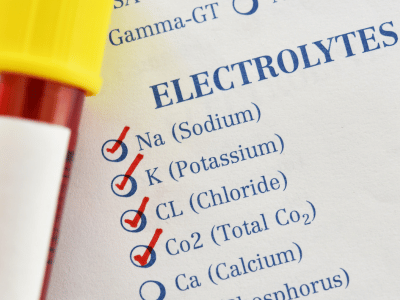
Potassium is an essential mineral that plays a vital role in maintaining normal body functions, including muscle contractions, nerve signaling, and heart rhythm. However, the balance of potassium in your body is tightly regulated by one crucial organ systemthe kidneys. When kidney function is impaired, potassium levels can quickly become abnormal, leading to serious health risks. Understanding how kidney function influences potassium test results can help individuals better manage their health and prevent complications.
What Is a Potassium Test?
A potassium test is a routine blood test used to measure the amount of potassium in your bloodstream. It is often included as part of an electrolyte panel or basic metabolic panel. The normal range for potassium levels is typically between 3.5 and 5.0 milliequivalents per liter (mEq/L).
Maintaining potassium within this range is critical. Even slight deviations can disrupt normal body functions, especially those related to the heart and muscles. This is why potassium testing is commonly recommended for individuals with chronic conditions, particularly those affecting the kidneys.
The Role of Kidneys in Potassium Regulation
The kidneys are responsible for filtering waste products and excess substances from the blood, including potassium. After filtering, the kidneys either excrete excess potassium through urine or retain it when levels are low.
This delicate balance ensures that potassium levels remain stable. Healthy kidneys can quickly adjust to changes in potassium intake, whether from diet or medications. However, when kidney function declines, this regulatory mechanism becomes less effective, leading to potential imbalances.
How Impaired Kidney Function Impacts Potassium Levels
1. Reduced Potassium Excretion
When the kidneys are not functioning properly, they may struggle to remove excess potassium from the body. This leads to a condition known as hyperkalemia (high potassium levels). Hyperkalemia can be dangerous because it affects the electrical activity of the heart, potentially causing life-threatening arrhythmias.
2. Increased Risk of Potassium Retention
Chronic kidney disease (CKD) often results in the gradual buildup of potassium in the blood. As kidney function declines, the ability to maintain electrolyte balance diminishes, making regular potassium testing essential for monitoring health status.
3. Fluctuating Potassium Levels
In some cases, kidney disorders can also cause potassium levels to fluctuate unpredictably. This makes it difficult to maintain a stable balance, requiring frequent monitoring and adjustments in diet or medication.
Conditions Linking Kidney Function and Potassium Imbalance
Several medical conditions can disrupt the relationship between kidney function and potassium levels:
-
Chronic Kidney Disease (CKD): One of the most common causes of elevated potassium levels due to reduced filtration capacity
-
Acute Kidney Injury (AKI): Sudden kidney failure can quickly lead to dangerous potassium buildup
-
Diabetes: Long-term diabetes can damage the kidneys, indirectly affecting potassium regulation
-
Hypertension: High blood pressure can impair kidney function over time, leading to electrolyte imbalances
These conditions highlight the importance of regularly monitoring potassium levels, especially for individuals at risk.
Medications That Affect Potassium and Kidney Function
Certain medications can influence potassium levels, particularly in individuals with compromised kidney function. These include:
-
ACE inhibitors and ARBs: Commonly used for blood pressure control but may increase potassium levels
-
Potassium-sparing diuretics: Reduce potassium excretion, potentially leading to hyperkalemia
-
Nonsteroidal anti-inflammatory drugs (NSAIDs): Can impair kidney function and affect potassium balance
When combined with kidney disease, these medications can significantly alter potassium test results. This is why healthcare providers often recommend regular testing to ensure safe and effective treatment.
Symptoms of Potassium Imbalance Due to Kidney Issues
Potassium imbalances caused by kidney dysfunction may not always produce immediate symptoms. However, when symptoms do occur, they can be serious:
-
High potassium (Hyperkalemia): Muscle weakness, fatigue, nausea, chest pain, irregular heartbeat
-
Low potassium (Hypokalemia): Muscle cramps, weakness, constipation, abnormal heart rhythms
Because these symptoms can overlap with other conditions, a potassium test is essential for accurate diagnosis and management.
Importance of Regular Potassium Testing in Kidney Health
For individuals with kidney-related conditions, regular potassium testing is a critical part of ongoing care. It helps in:
-
Detecting early signs of electrolyte imbalance
-
Preventing complications such as cardiac arrhythmias
-
Guiding dietary and medication adjustments
-
Monitoring the progression of kidney disease
Frequent testing allows healthcare providers to intervene early and reduce the risk of severe complications.
Dietary Considerations for Managing Potassium Levels
Diet plays a significant role in maintaining potassium balance, especially for individuals with kidney issues. While potassium-rich foods are generally healthy, those with impaired kidney function may need to limit their intake.
Common high-potassium foods include bananas, oranges, potatoes, tomatoes, and leafy greens. Depending on your condition, your healthcare provider may recommend a tailored diet plan to help manage potassium levels effectively.
It is important not to make drastic dietary changes without professional guidance, as both excessive and insufficient potassium intake can be harmful.
How Kidney Function Tests Complement Potassium Testing
Potassium tests are often conducted alongside other kidney function tests, such as serum creatinine and blood urea nitrogen (BUN). These tests provide a more comprehensive picture of kidney health and help identify the underlying cause of abnormal potassium levels.
By evaluating these parameters together, healthcare providers can better understand how well the kidneys are functioning and develop appropriate treatment strategies.
When Should You Be Concerned?
You should consider getting a potassium test if you:
-
Have been diagnosed with kidney disease
-
Are experiencing symptoms of electrolyte imbalance
-
Take medications that affect potassium levels
-
Have conditions like diabetes or hypertension
-
Are undergoing routine health monitoring
Early detection of abnormal potassium levels can prevent serious complications and improve long-term health outcomes.
Conclusion
Kidney function plays a central role in regulating potassium levels in the body. When the kidneys are healthy, they maintain a delicate balance that supports essential bodily functions. However, impaired kidney function can lead to dangerous potassium imbalances, making regular testing crucial.
Understanding the connection between kidney health and potassium test results empowers individuals to take control of their well-being. With timely monitoring, proper medical guidance, and lifestyle adjustments, it is possible to manage potassium levels effectively and reduce health risks. Platforms like Instacare.pk make it easier to access reliable Potassium Test in Karachi and professional healthcare support, ensuring better management of kidney health and overall wellness.

 English
 Arabic
 French
 Spanish
 Deutsch
 Turkish
 Dutch
Dutch
 Italiano
 Russian
 Romaian
 Portuguese (Brazil)
 Greek
Greek