
How to Choose the Best Waterproof Flooring for Your Kitchen
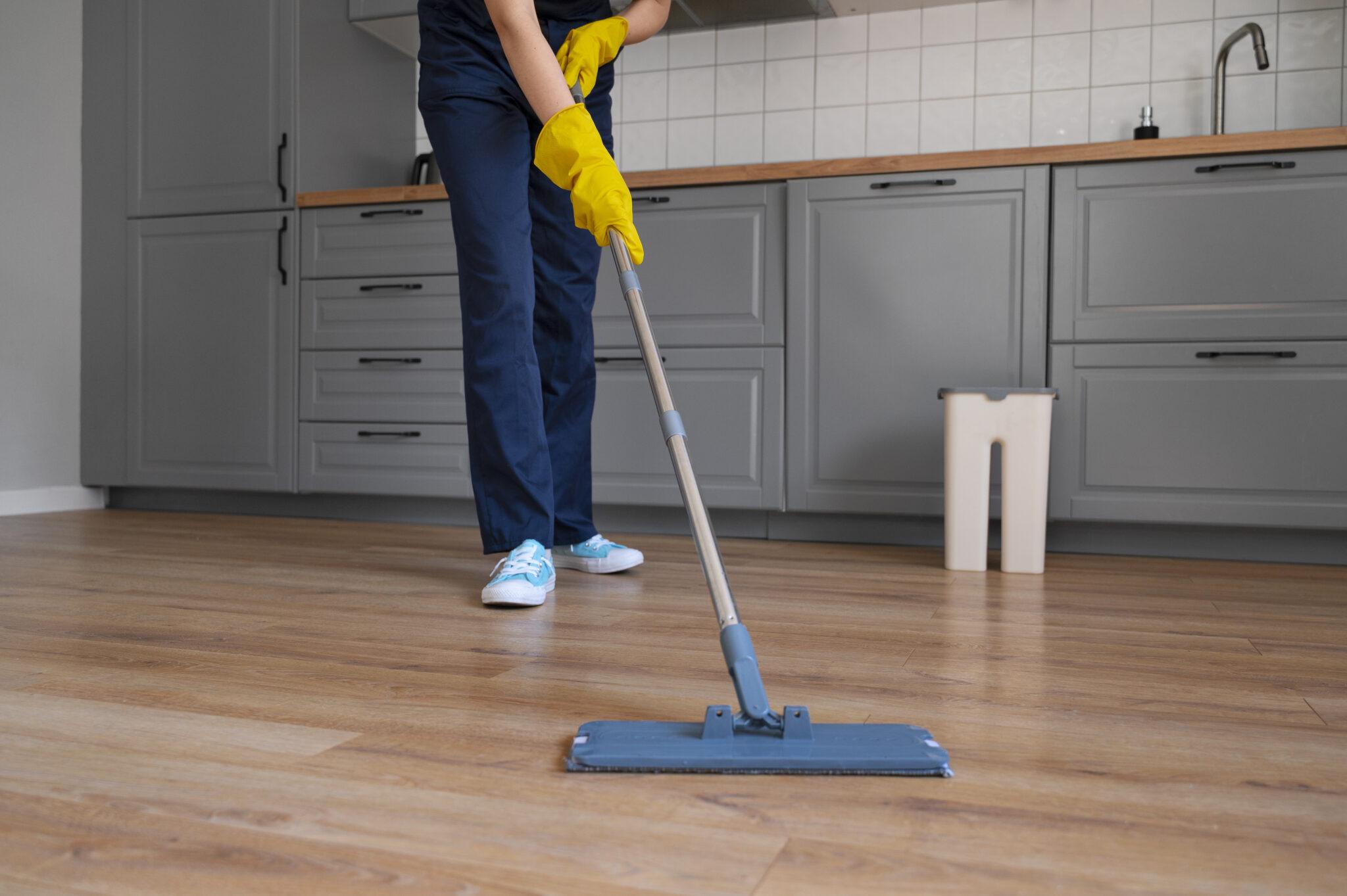
The kitchen is one of the hardest-working spaces in any home. From daily cooking to food prep, washing up, and constant foot traffic, it is a room that is regularly exposed to spills, steam, and standing water near the sink. Choosing the wrong flooring for this environment can lead to warping, swelling, mold growth under the surface, and costly replacements within just a few years. The right waterproof flooring for your kitchen, on the other hand, will handle all of this with very little maintenance and still look good for well over a decade.
This guide walks you through the most important considerations when selecting kitchen flooring, the different product types available, and the practical factors that should shape your final decision. Whether you are renovating a family kitchen, updating a rental property, or building something new, understanding these factors will help you make a confident and informed choice.
Why Kitchens Need Waterproof Flooring Specifically
Most rooms in a home can get away with flooring that is simply durable. A kitchen needs more than that. The nature of the space means moisture is present almost constantly in some form, whether through cooking steam, condensation around appliances, splashing from the sink, or the inevitable spilled drink or dropped pot of water.
Traditional flooring materials like solid hardwood and standard laminate were not built for this kind of environment. When exposed to moisture repeatedly, they absorb water through their cores and surface seams, which causes them to swell, buckle, and eventually lose their structural integrity. The damage is often invisible at first, occurring beneath the surface before it becomes obvious. By the time warping or mold growth is noticeable, the subfloor may already be affected.
Waterproof flooring is designed with cores and surface coatings that prevent water from penetrating the material. This does not mean the floor is indestructible, but it does mean that normal kitchen moisture, including everyday spills that are wiped up within a reasonable timeframe, will not cause lasting damage. This is a meaningful distinction when choosing a product for a space that sees this level of daily activity.
Beyond moisture resistance, kitchen flooring also needs to stand up to scratch damage from dragging chairs or appliances, staining from food and drink, and the general wear of heavy foot traffic. The best waterproof options for kitchens address all of these demands at once.
Understanding the Main Waterproof Flooring Types for Kitchens
There are several flooring categories that qualify as genuinely waterproof or highly moisture-resistant and are well suited to kitchen use. Each has different performance characteristics, aesthetics, and price points, so understanding the differences helps you narrow down what works for your specific situation.
Luxury Vinyl Plank and Luxury Vinyl Tile
Luxury vinyl plank (LVP) and luxury vinyl tile (LVT) are among the most popular choices for kitchen flooring today. Both are made from multiple layers that work together to create a surface that is 100% waterproof throughout its full thickness. The core is typically made from either stone plastic composite (SPC) or wood plastic composite (WPC), both of which are completely impervious to water.
SPC cores are denser and more rigid, making them highly resistant to denting and suitable for kitchens with heavy foot traffic or large appliances. WPC cores contain a foamed composite that gives the plank a slightly softer and warmer feel underfoot, which can be an advantage in a kitchen where you spend extended periods standing.
Waterproof vinyl flooring for kitchens also benefits from a wear layer on the surface that resists scratches, stains, and scuffs from everyday use. The thickness of this wear layer, measured in mil, determines how long the surface holds up under regular wear. For a kitchen, a wear layer of at least 12 mil is recommended, with 20 mil being a better choice for households with pets or heavy traffic.
Aesthetically, LVP and LVT have advanced significantly in recent years. Modern printing and embossing technology produces finishes that closely replicate the appearance of hardwood, natural stone, or ceramic tile, making it possible to achieve almost any design look without sacrificing waterproof performance. Parma Flooring's luxury vinyl flooring collection offers a wide range of styles designed to bring both function and visual appeal to residential and commercial kitchens.
SPC Flooring
Stone plastic composite flooring deserves specific attention as a kitchen option in its own right. SPC flooring is made from a rigid core of natural limestone powder, polyvinyl chloride, and stabilizers, resulting in a material that is completely waterproof, dimensionally stable, and highly resistant to temperature fluctuations.
Kitchens often experience changes in temperature and humidity as cooking takes place, which can cause some flooring types to expand and contract. SPC's rigid core handles these changes with minimal movement, reducing the risk of joint separation over time. The surface is also very resistant to indentation from heavy kitchen appliances, which is a practical consideration when refrigerators, dishwashers, and other equipment are positioned on the floor.
Parma Flooring's SPC flooring range is a strong option for kitchens where durability and moisture resistance are the primary concerns, offering a combination of a waterproof core and a scratch-resistant wear layer that holds up well in high-demand environments.
Waterproof Laminate Flooring for Kitchens
Waterproof laminate flooring for kitchens represents a significant improvement over traditional laminate, which was not suitable for moisture-heavy environments. Modern waterproof laminate products use sealed cores and tight click-lock locking systems that prevent water from reaching the inner layers of the plank.
It is worth being precise about terminology here. Standard or even water-resistant laminate is not the same as waterproof laminate. Water-resistant laminate can tolerate brief exposure to moisture and light spills that are cleaned up quickly. Waterproof laminate, by contrast, uses a core material and edge treatment that prevents water penetration even with more sustained contact.
For a kitchen, you need a laminate product that is explicitly labeled as waterproof and that carries a warranty covering kitchen use. The benefits of water-resistant laminate flooring for kitchens are substantial when the right product is chosen: a comfortable, warm surface that is more forgiving underfoot than tile, an authentic wood-look aesthetic, and a price point that is generally lower than vinyl or stone alternatives.
When comparing waterproof laminate flooring for kitchens against luxury vinyl, the main differences come down to scratch resistance and moisture tolerance. High-quality laminate with a strong wear layer tends to resist surface scratches slightly better than vinyl, while vinyl has an advantage in complete waterproofing throughout the full thickness of the plank. Choosing between them depends on whether surface durability or total moisture protection is the greater priority in your kitchen.
Porcelain and Ceramic Tile
Porcelain and ceramic tile are naturally waterproof and remain a strong choice for kitchens in many homes. Porcelain in particular is extremely dense and resistant to moisture, staining, and heavy loads. It does not require the same attention to seam sealing that floating floors do, and it can last for decades with basic maintenance.
The trade-offs are well known. Tile is hard and cold underfoot, which can be uncomfortable in a kitchen where you stand for extended periods. Grout lines need to be cleaned regularly and sealed periodically to maintain their moisture resistance. Installation is more involved and costly than floating floor systems.
That said, for kitchens with large wet zones, frequent heavy spills, or conditions where a floating floor would be impractical, porcelain tile remains one of the most reliable long-term waterproof choices available.
Key Factors to Consider When Choosing Kitchen Flooring
Once you understand the basic product categories, the following factors should guide your final selection.
Moisture Exposure Level
Not all kitchens are the same. A kitchen that sees light daily use has different needs than one that is used intensively for cooking several times per day. Consider where the primary sources of moisture are in your kitchen. Areas near the sink, dishwasher, and refrigerator waterline tend to receive more frequent water exposure than areas further away.
For zones with consistently high moisture contact, fully waterproof options like LVP, SPC, or porcelain tile are the most appropriate. For kitchens with moderate moisture exposure, a quality waterproof laminate can perform very well provided spills are cleaned up promptly.
Comfort Underfoot
People often overlook comfort when choosing kitchen flooring, but it becomes relevant very quickly when you spend significant time cooking or standing at a worktop. Hard materials like porcelain tile and rigid SPC can cause fatigue during extended periods of standing. Vinyl with a WPC core, thicker laminate planks, or products with an attached underlayment provide noticeably more cushioning and are warmer to the touch.
If comfort is a priority, look for flooring that is at least 8mm thick and consider whether a separate underlayment is needed. Some products come with underlayment already attached to each plank, which both simplifies installation and improves the feel of the finished floor.
Durability and Scratch Resistance
Kitchens take significant abuse from chairs being moved, dropped utensils, pet claws, and foot traffic. The durability of a floor in this environment is determined largely by the quality and thickness of its wear layer. For laminate, the AC rating indicates durability. For kitchen use, AC4 is the recommended minimum, with AC5 providing greater longevity in busier kitchens. For vinyl, look for a wear layer of at least 12 mil for residential kitchens.
Parma Flooring's guide on how to protect your flooring from scratches and dents covers practical steps to extend the life of your floor regardless of which product you choose, including the use of furniture pads, entry mats, and regular cleaning routines.
Ease of Maintenance
Kitchen floors need to be cleaned regularly, and the product you choose should make that process as straightforward as possible. Both waterproof vinyl flooring for kitchens and waterproof laminate can be cleaned with a damp mop and a mild cleaner. They do not require sealing, waxing, or any specialist treatment to maintain their appearance.
The key rule for both is to avoid leaving standing water on the surface for prolonged periods and to clean up spills before they can work into any seams at the perimeter or around fixtures. Regular sweeping to remove grit and debris also prevents surface scratches from particles being ground underfoot.
For a thorough overview of cleaning practices across different flooring types, Parma Flooring's guide on how to maintain and clean different types of flooring provides detailed advice applicable to vinyl, laminate, and other kitchen flooring options.
Subfloor Condition
Regardless of which product you choose, the condition of the subfloor matters. A subfloor that is uneven, damp, or structurally compromised will affect the long-term performance of any floating floor installation. High points put stress on locking joints and can cause them to fail. Low spots create a hollow feel underfoot and can lead to cracking in more rigid floor types.
Before installation, the subfloor should be clean, dry, and level. Any moisture issues from below need to be resolved first, as even a fully waterproof floor covering cannot protect the subfloor if water is entering from underneath. A moisture barrier underlayment installed beneath the flooring provides an added layer of protection in this regard.
Budget
Waterproof kitchen flooring is available across a wide price range. Sheet vinyl is the most affordable option and provides adequate waterproofing for low to medium use kitchens. LVP and LVT represent a mid-range investment with excellent long-term performance. SPC and higher-grade waterproof laminate sit at a similar or slightly higher price point. Porcelain tile tends to have the highest combined material and installation cost, though its longevity can offset this over time.
When calculating cost, factor in installation, underlayment if required, and any subfloor preparation needed. The cheapest product at purchase is not always the most economical choice if it requires more preparation work or has a shorter lifespan.
Comparing Waterproof Vinyl Flooring and Waterproof Laminate for Kitchens
Because these two materials are the most commonly considered for kitchen renovations, it is useful to look at them directly side by side.
Waterproof vinyl flooring for kitchens, whether LVP or LVT, offers complete waterproofing from the top surface through to the core. It is softer underfoot, more comfortable for extended standing, and generally better at handling sustained moisture contact. It is also slightly more resistant to temperature-related expansion and is a reliable choice for kitchens with underfloor heating.
Waterproof laminate flooring for kitchens provides a more authentic wood appearance with better surface scratch resistance in equivalent grades. Quality waterproof laminate handles everyday kitchen spills well when installed correctly with sealed edges and perimeter sealant. It is typically available at a lower price than equivalent vinyl in the same quality tier.
Both options are suitable for kitchen use when the right product specifications are selected and installation is carried out properly. The choice between them often comes down to the specific conditions of the kitchen, personal priorities around feel and appearance, and budget. Parma Flooring's detailed comparison of SPC vs. laminate flooring explores these differences in depth and is a useful reference when weighing up the options.
Installation Considerations for Kitchen Flooring
Installation quality has a direct impact on how well any waterproof floor performs in a kitchen. Even the best waterproof flooring for your kitchen will underperform if it is not installed correctly.
The most important installation practices for kitchen flooring are as follows. Seal all perimeter gaps with a waterproof silicone sealant before fitting skirting board or trim. This prevents water from working its way under the floor from the edges. Apply sealant around the base of any fixtures that sit on or near the floor, including the dishwasher, refrigerator, and the base of any kitchen units.
Allow the flooring to acclimate in the room for at least 48 hours before installation, particularly if the product is being moved from a significantly different temperature environment. This applies to both vinyl and laminate products. If you are installing laminate, avoid using excessive moisture during or after installation, as even waterproof laminate benefits from careful management of ambient humidity.
For a step-by-step walkthrough of how to lay laminate flooring correctly, Parma Flooring's guide on how to lay down laminate flooring for a professional finish covers the full process including preparation, cutting, and finishing details.
Design Options for Kitchen Waterproof Flooring
One of the advantages of choosing waterproof vinyl or laminate for a kitchen is the range of visual options available. Both materials are produced in wood-effect, stone-effect, and tile-effect designs that allow you to achieve almost any aesthetic without sacrificing practical performance.
For open-plan kitchens that connect to living or dining areas, choosing a consistent floor across both spaces creates a cohesive look that makes the combined area feel larger. Wide-plank formats in light oak, greige, or natural wood tones are a popular choice because they complement a wide range of cabinetry styles and create a calm, unified appearance.
Darker tones and stone-effect designs work well in kitchens with good natural light, adding depth and a sense of quality to the space. Matte finishes are generally preferred over high gloss in kitchens because they are more forgiving of everyday marks and do not show footprints as readily.
Parma Flooring's post on how to choose the right flooring for your home covers the broader design selection process and is a helpful resource if you are making flooring decisions across multiple rooms at the same time.
Long-Term Maintenance Tips for Kitchen Floors
Once the right waterproof flooring for your kitchen is in place, a consistent maintenance routine is what keeps it looking good over the long term. The daily practices are simple.
Sweep or vacuum regularly to remove grit and food debris before it accumulates. Even waterproof floors can be scratched by particles ground underfoot repeatedly over time. Use a damp mop for routine cleaning. Avoid flooding the surface with excess water or using abrasive cleaning products that can wear down the wear layer over time.
Place a mat or rug in front of the sink to absorb water that splashes from washing up. Felt pads under chairs and furniture legs reduce the risk of surface scratches when items are moved. If you notice any water accumulating near appliances, check for leaks and address them promptly. A waterproof floor handles everyday moisture well, but no floor is designed to cope with persistent water ingress from a leak.
For seasonal maintenance advice that applies across different flooring types, Parma Flooring's post on seasonal flooring maintenance tips provides a practical guide to keeping floors in good condition throughout the year.
Making the Final Decision
Choosing the best waterproof flooring for your kitchen ultimately comes down to matching the product to the specific demands of your kitchen. Assess the moisture level in the space, the amount of traffic it handles, your comfort and aesthetic priorities, and your budget before comparing specific products.
For most residential kitchens, LVP or waterproof laminate will deliver excellent results when the right product grade is chosen and installation is carried out with proper sealing. For kitchens with very high moisture exposure or heavy use, SPC flooring or porcelain tile may be the more reliable long-term investment.
Parma Flooring offers a range of options across all of these categories, including SPC, luxury vinyl, and laminate collections designed for demanding environments. If you are ready to explore your options or need guidance on which product suits your kitchen best, contact the Parma Flooring team for personalised advice, or submit a wholesale inquiry for larger renovation projects.
FAQs
Q: What is the most waterproof flooring option for a kitchen? A: Luxury vinyl plank (LVP) and SPC flooring are the most completely waterproof options for a kitchen. Their cores do not absorb water at all, making them suitable for high-moisture environments. Waterproof laminate is also a strong choice when properly installed with sealed edges.
Q: Is waterproof laminate flooring for kitchens as good as vinyl? A: Both perform well in kitchens, but they differ in key areas. Vinyl offers complete waterproofing throughout the full plank thickness. Laminate provides better scratch resistance at equivalent price points. The best choice depends on whether moisture tolerance or surface durability is the higher priority.
Q: Can I install waterproof vinyl flooring over my existing kitchen floor? A: In many cases yes, provided the existing floor is level, firmly adhered, and in good condition. Adding a new layer raises the floor height slightly, so check clearance under doors and around appliances. Always follow the specific manufacturer's installation guidelines before proceeding.
Q: How do I maintain waterproof flooring in a kitchen? A: Regular sweeping or vacuuming removes grit that can scratch the surface. Damp mop with a mild cleaner suited to the flooring type. Avoid leaving standing water near seams, use a mat by the sink, and clean spills promptly to keep the floor in good condition long term.
Q: What AC rating should kitchen laminate flooring have? A: For a standard residential kitchen, a minimum AC3 rating is acceptable, but AC4 is the better choice. It provides stronger resistance to scratches, stains, and daily foot traffic. Busy family kitchens or those with pets would benefit from AC4 or higher for longer-lasting performance.

 English
 Arabic
 French
 Spanish
 Portuguese
 Deutsch
 Turkish
 Dutch
Dutch
 Russian
 Romaian
 Portuguese (Brazil)
 Greek
Greek