
Designing Attractive 30ml Packaging Boxes for Retail
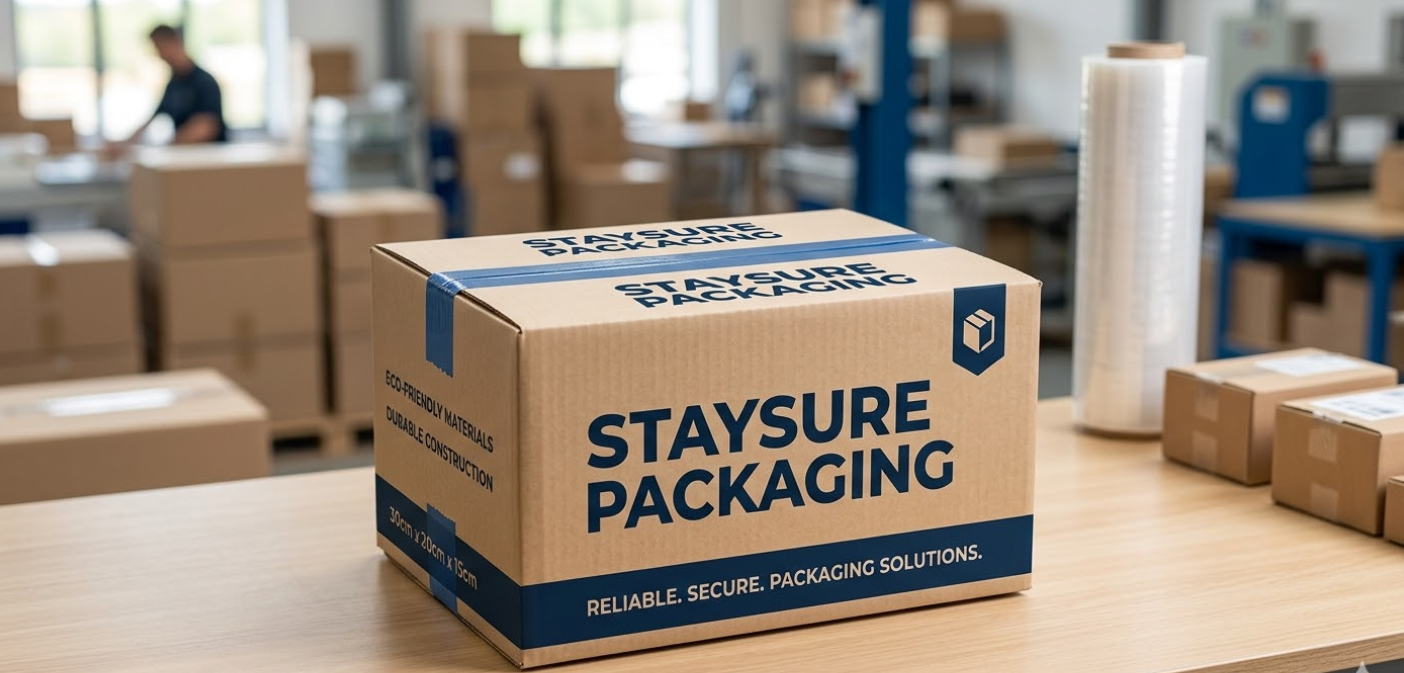
Small bottles often need big thinking. A 30ml box should protect, communicate, and draw a shopper's eye without wasting space.
Below are practical design steps and checks you can use when planning retail packaging for small-format liquids.
Overview
Thirty milliliter packaging has clear retail uses: samples, travel sizes, premium oils, serums, and niche chemicals. These boxes must balance looks, protection, and simple handling. Target consumers range from gift buyers to frequent travelers and trial shoppers.
Understanding the 30ml Form Factor
Typical 30ml bottles are compact but vary in height and neck finish. Allow small tolerances for caps and droppers. When designing interiors, plan for a snug but not crushing fit.
Typical dimensions, tolerances, and fit with accessories
Measure the bottle with cap, dropper, or sprayer fitted. Add 1.5–3 mm clearance on each side for easy removal. Note height with the dispensing head attached.
Common internal layouts
Drop-in inserts are quick to produce. Cram-fit designs hold the bottle tightly and reduce movement. Tamper-evidence can be an inner band or sealed tray.
Compatibility with dispensing types
Droppers need vertical clearance. Spray caps require headroom and a small vent gap. Roller balls demand a secure cradle to keep the ball upright.
Core Design Principles for Attractiveness
Visual hierarchy guides the eye. Give the brand mark and product name priority. A small canvas needs a clear focal point.
Visual hierarchy and focal points
Use scale and contrast. A bold logo, large product name, or striking color block draws attention from a distance.
Brand alignment and storytelling on a small canvas
Choose one short line of story or a small icon set. Tell the brand story in a single sentence or symbol.
Readability and legibility constraints at retail shelf distance
Use type sizes that read from arm’s length. Avoid thin serifs and tiny legal copy in primary panels.
Color theory and psychology for cosmetic/chemical products
Cool tones suggest clinical or natural. Warm tones feel luxurious or comforting. Match color to product personality and audience expectations.
Differentiation through structural design
Shape can set a product apart. Try a hinged top or a tuck style with a reveal window to show the bottle neck.
Material Selection and Finish
Material affects look, feel, and protection. Choose stock and coatings that match the product position.
Card stock gauges appropriate for 30ml boxes
Paperboard from 12pt to 18pt is common. Thicker boards give premium feel but raise cost.
Coatings
Matte feels modern and soft. Gloss boosts color vibrancy. Soft-touch adds tactile luxury. Aqueous and UV coatings protect print where needed.
Sustainability considerations
Use recycled board or FSC-certified stock when possible. Water-based inks and compostable varnishes are available for small runs.
Barrier properties for product integrity
Light-sensitive formulas need opaque board or an inner lining. Moisture-sensitive products benefit from a coated inner panel.
Printability and color accuracy
Small graphics need high-resolution printing. Proofs help confirm color on small panels before full runs.
Box Styles and Internal Configurations
Choice of style affects assembly and shelf performance. Pick the simplest style that meets protection needs.
Common styles
- Reverse tuck: cost-effective and neat.
- Flip-top: premium unboxing without extra parts.
- Outer tray with inner tray: great for gift sets.
- Magnetic close: high-end feel, higher cost.
Internal inserts
Foam inserts add protection and premium presentation. Die-cut spines or elastic bands work for limited budgets.
Tamper-evidence features and packaging security
Sealed tabs, perforated bands, or tear strips show if a box was opened. Choose what fits the product safety needs.
Ease of assembly and performance during shelf handling
Design folded parts to be easy to assemble. Complex inserts slow down packing lines and raise labor costs.
Dimensional Optimization and Prototyping
Accurate dimensions prevent returns and damage. Test fit early with low-cost prototypes.
Calculating primary and secondary dimensions
Primary dimensions are the box exterior. Secondary dimensions include insert cutouts and padding depth.
Tolerances for fitment with 30ml bottle/dropper
Allow press tolerances of about ±1–2 mm for die-cut parts. Verify with actual bottles not just drawings.
Prototyping workflow
Start with digital mockups, then print rapid prototypes. Cut physical dielines to check fit before tooling.
Scaling for different bottle shapes
Round bottles need circular cradles. Square bottles sit on flat platforms. Adjust insert geometry accordingly.
Visual Identity on a Small Canvas
Small boxes force choices. Pick what must appear and what can live on labels or secondary panels.
Logo placement, brand colors, and typography limits
Keep the logo simple and center-left or top-left. Use one or two brand colors for clarity. Choose a legible typeface at small sizes.
Imagery strategies
Photography can clutter small panels. Consider a simple illustration or a cropped product shot for clarity.
Legal and regulatory copy placement
Place required ingredients and warnings on a side panel. Keep the front clean and compliant copy on the back or flap.
Labeling vs. printed packaging balance
For small runs, labels let you vary copy without reprinting boxes. For brand consistency, print stable elements directly on the box.
Printing Techniques and Effects
Printing choice affects cost and speed. Match method to run size and desired finish.
Offset vs. digital printing considerations
Offset offers color accuracy and lower unit cost at scale. Digital suits short runs and fast turnarounds.
Special effects suitable for 30ml boxes
Foil stamping and embossing make a small box look premium. Use effects sparingly to avoid over-designing.
Inks for vibrant color on dark/light substrates
White underprint helps colors pop on dark boards. Ask your printer for ink recipes for small panels.
Parallel design for multi-product families
Use a shared layout with color swaps for product variants. This keeps shelf cohesion while allowing quick recognition.
Regulatory and Compliance Considerations
Legal text can't be an afterthought. It may dictate font size, placement, and language depending on the market.
Ingredient disclosure and regulatory text requirements
Follow country-specific rules for ingredient order and naming. Herbal or cosmetic claims often have defined phrasing.
Child-safety and tamper-evident standards
Some liquids require child-resistant closures or visible seals. Label these features clearly on packaging.
Packaging plasticity declarations and recyclability labeling
Use correct recycling logos and material codes. Mislabeling can lead to fines or retailer rejection.
Country-specific labeling rules for US/EU/CI regions
US and EU have different allergen, ingredient, and metric labeling rules. Localize labels per destination.
Sustainability and End-of-Life
Design for recyclability and reuse. Consumers often check packaging for eco traits.
Material choices aligned with circular economy
Prefer mono-material board over mixed laminates. Mono-materials are easier to recycle.
Recyclability of box and inner inserts
Choose paper or cardboard inserts when possible. Avoid mixed plastic-foam inserts unless necessary.
Printer and supply chain sustainability audits
Ask suppliers for certifications and process details. Small-brand commitments can guide vendor choice.
Consumer expectations for eco-friendly packaging
Label sustainable choices clearly. Short explanations of what to recycle help reduce confusion.
Costing and manufacturability
Costs hinge on material, print, and finishing choices. Plan with volume and timeline in mind.
Cost drivers
Thicker boards, special coatings, and tooling increase price. Embellishments like foil add per-unit cost.
Inventory management for short-run vs long-run needs
Short runs favor digital printing despite higher unit costs. Long runs make tooling and offset worthwhile.
Supplier selection criteria for box production
Choose suppliers with experience in small-format packaging and quick sample turnarounds. Check references.
Lead times and production scheduling considerations
Allow extra time for proofs, die creation, and transport. Rush jobs often cost more and sacrifice quality.
Shelf-Wacing Design Strategies
Standout packaging moves units. Focus on contrast, clarity, and quick comprehension.
Shelf impact
Large color blocks and strong contrast catch the eye. Avoid tiny type on front panels.
Bundling with accessories and integration
If bundling droppers or caps, show them in imagery or use a transparent window to display the actual accessory.
NFC/QR code opportunities for interactive packaging
QR codes can link to instructions, batch details, or promotions. Keep placement unobtrusive and scannable.
Case Studies and Best Practices
Successful 30ml designs often simplify communication. They highlight one benefit and make removing the bottle instinctive.
Examples of successful 30ml packaging designs
Look for designs that use a consistent grid, bold color accents, and a minimal front panel. Those often convert better on shelf.
Lessons learned from redesigns or rebrands
Reducing clutter and increasing tactile cues raised perceived value in several rebrands. Simpler layouts improved scan-to-purchase time.
Benchmark metrics
Measure sales lift, unboxing comments, and return rates after launch. These metrics show real-world performance.
Testing and Validation
Test early and often. Small problems compound in mass production.
Print quality and color consistency checks
Compare proofs under consistent lighting. Ask for color swatches or Pantone matches when color is critical.
Mechanical testing
Perform drop, crush, and vibration tests. Ensure the bottle remains sealed and the box protects during transit.
Consumer usability testing
Watch users unbox and replace caps. Note any confusion or difficulty and iterate quickly.
Sensory testing for feel and perceived quality
Touch matters. Have people rank finishes and choose the one that feels right for the price point.
Production Workflow and File Preparation
Well-prepared files speed up production and reduce costly errors. Use templates and clear versioning.
Dieline templates and safe zones
Keep critical text inside safe zones. Show cut and fold lines clearly on proofs for manufacturer checks.
Artwork formats, color management, and bleeds
Supply PDF/X files with 3 mm bleed. Embed fonts or convert them to outlines for printing stability.
File naming conventions and version control
Use dates and version numbers in file names. Keep a changelog for design decisions and approvals.
Proofing steps and customer sign-off
Require physical proofs or high-quality digital mocks before tooling. Get stakeholder sign-off in writing.
Globalization and Localization Considerations
Designs that work in one market may need tweaks elsewhere. Plan for translation and regulatory changes.
Adapting packaging for different markets
Resize or relocate legal panels as required by each region. Preserve brand cues while complying locally.
Translating safety and usage copy
Use native translators for safety text. Keep translated text concise to fit small panels.
Regional regulatory variations for 30ml packaging
Check metric labeling, ingredient order, and mandatory icons by country before final print runs.
Practical Design Checklist
Keep a simple list for sign-off. It saves time and reduces last-minute surprises.
- Correct exterior dimensions and interior fit verified.
- Legal copy placed and legible at required sizes.
- Material and coating selected for protection and feel.
- Prototypes tested for drop and handling.
- Supplier and lead times confirmed.
Avoid these pitfalls: tiny fonts on main panels, overuse of special effects, and mismatched inner fits.
Future Trends and Innovations
Packaging is quietly changing. Micro-graphics and interactive elements are appearing on small boxes.
Personalized runs and local short-run printing let brands test variants without large inventory risks.
Sustainable material advances are making premium-feel boards with recycled content more common.
FAQs
What stock thickness works best for a premium 30ml box?
Thicker boards around 14–18pt provide a premium feel and good protection. Balance thickness against shipping weight and cost.
How should I position legal copy on a tiny box?
Place legal and ingredient lists on a side or back panel. Use condensed, readable type and keep front panels uncluttered.
Can I use foil stamping on small areas without losing detail?
Yes, foil works on small panels, but fine details can blur. Test a sample to confirm line weight and registration first.
What is the easiest internal insert for fast assembly?
Die-cut paperboard cradles or simple tuck spines are quick to fold and pack. Foam adds protection but requires more labor.
How do I check fit for a dropper bottle before mass production?
Create a rapid prototype with a printed dieline and a mock insert. Test with the actual bottle and cap to confirm clearance and stability.
Where can I find reliable suppliers for small runs of 30ml boxes?
Look for vendors experienced with cosmetics or lab samples. Ask for sample packs, lead times, and references to confirm capability.
How can I make my 30ml box stand out on crowded shelves?
Use a clear focal point, strong contrast, and tactile finishes. A single striking element often beats many small decorations.
Are recycled inks suitable for vibrant colors?
Yes, many water-based inks produce vibrant results. Request color proofs because dark or saturated hues may need adjustments.
Should I use printed packaging or labels for small product lines?
Labels are flexible for small runs and frequent changes. Printed packaging offers consistency and a higher perceived value for stable SKUs.
How do I include a QR code without cluttering the design?
Place a small QR on a side flap or bottom panel with a short callout. Make sure it scans easily and links to useful content.
If you want to see a practical example, check a range of stylish 30ml bottle boxes when planning materials and finishes.

 English
 Arabic
 Spanish
 Portuguese
 Deutsch
 Turkish
 Dutch
Dutch
 Italiano
 Russian
 Romaian
 Portuguese (Brazil)
 Greek
Greek