
Real Results You Can Expect From a Lactic Acid Peel
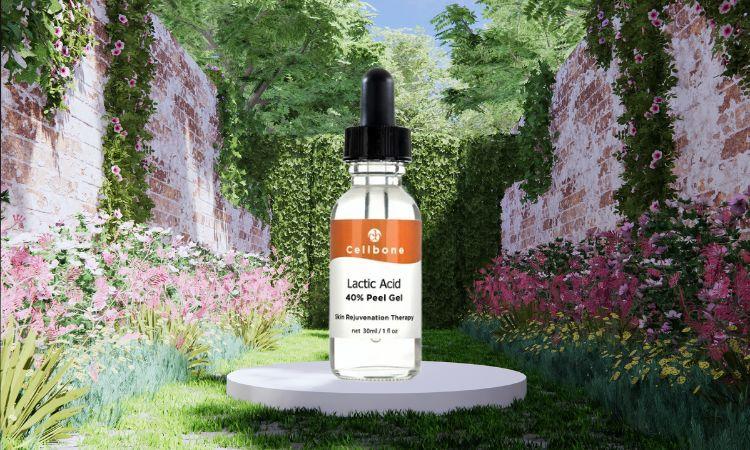
If your skin looks tired, uneven, or just a little dull no matter how many serums you try, exfoliation may be the missing step. A lactic acid peel is often where people see their first real “aha” moment with chemical exfoliation. It’s gentle enough for beginners but effective enough to deliver visible changes in texture, tone, and brightness.
In this article, we’ll walk through what lactic acid peels actually do, the kinds of results you can expect, who they’re best for, and how to use them safely.
Why Lactic Acid Is Considered a Gentle Game-Changer
Lactic acid belongs to the alpha hydroxy acid (AHA) family. Unlike harsher acids, it’s known for exfoliating while also attracting moisture. That combination makes it especially appealing for people who want smoother skin without the redness or peeling often associated with stronger treatments.
Instead of stripping the skin, lactic acid loosens the bonds between dead skin cells. This allows them to shed more evenly, revealing fresher skin underneath. Because it’s naturally derived and hydrating, many dermatologists recommend it as a starting point for anyone new to chemical exfoliation.
What a Lactic Acid Peel Actually Does to Your Skin
Improves Texture
One of the first things people notice after using a lactic acid peel is smoother skin. Rough patches soften, makeup applies more evenly, and the surface feels less congested. This happens because the peel encourages consistent cell turnover rather than aggressive removal.
Brightens Tone and Boosts Radiance
Dullness often comes from layers of dead skin that scatter light unevenly. By clearing those layers, lactic acid helps your skin reflect light more naturally. The result is a subtle glow that looks healthy, not shiny.
Supports Hydration While Exfoliating
Unlike some exfoliants that leave skin feeling tight, lactic acid has humectant properties. That means it pulls moisture into the skin, helping maintain balance while it exfoliates. For dry or combination skin, this is a major advantage.
Realistic Results You Can Expect Over Time
Results from a lactic acid peel are gradual but consistent. After one use, most people notice softer texture and mild brightness. After several weeks of regular use, improvements become more obvious.
You may see fewer dry patches, more even tone, and a smoother overall appearance. Fine lines caused by dehydration often appear less noticeable as well. These changes happen because the skin is renewing itself more efficiently, not because it’s being aggressively stripped.
Who Benefits Most From a Lactic Acid Peel
Lactic acid peels work especially well for people with dry, sensitive, or mature skin. They’re also a good option for anyone dealing with uneven tone or mild discoloration.
That said, oily or acne-prone skin can still benefit, particularly when congestion isn’t severe. In cases where clogged pores or breakouts are the primary concern, some people alternate with a salicylic acid peel, which targets oil and pores more directly. Choosing the right peel depends on what your skin needs most at the moment.
How to Use a Lactic Acid Peel Safely
A peel doesn’t need to be complicated, but it does need to be used thoughtfully. Start with clean, dry skin and follow the product instructions carefully. Tingling is normal, but stinging or burning is not.
After rinsing, focus on hydration and barrier support. Avoid combining peels with retinoids or strong acids on the same day. Sunscreen is essential, as exfoliated skin is more sensitive to UV exposure.
Common Questions
Many people wonder if a lactic acid peel causes visible peeling. In most cases, it doesn’t. You might notice mild flaking, but dramatic shedding is rare.
Another frequent question is whether lactic acid is safe for sensitive skin. Generally, yes, when used at appropriate strengths and intervals. Patch testing is always smart, especially if you’re new to exfoliation.
People also ask how long it takes to see results. While immediate softness is common, noticeable improvements usually appear after three to four weeks of consistent use.
Conclusion
A lactic acid peel offers reliable, visible improvements without the harsh side effects many people fear when trying chemical exfoliation. It smooths texture, enhances brightness, and supports hydration, making it an excellent choice for a wide range of skin types. Whether you’re new to peels or looking for a gentler option to maintain results, lactic acid delivers steady progress you can actually see and feel over time.
Frequently Asked Questions
Is a lactic acid peel safe for sensitive skin?
Yes, it’s often recommended as a gentler option, but patch testing is still important.
How often should I use a lactic acid peel?
Most people do well with once-weekly use or every other week for sensitive skin.
Will a lactic acid peel cause peeling?
Visible peeling is usually minimal, if it happens at all.
When will I see results?
Smoother skin often appears after one use, with clearer results after several weeks.
Do I need sunscreen after using a peel?
Yes. Sunscreen is essential after any exfoliating treatment.

 English
 Arabic
 French
 Spanish
 Portuguese
 Deutsch
 Turkish
 Italiano
 Russian
 Romaian
 Portuguese (Brazil)
 Greek
Greek