
Herbal Supplements in Pakistan: Benefits, Uses, and Safe Practices
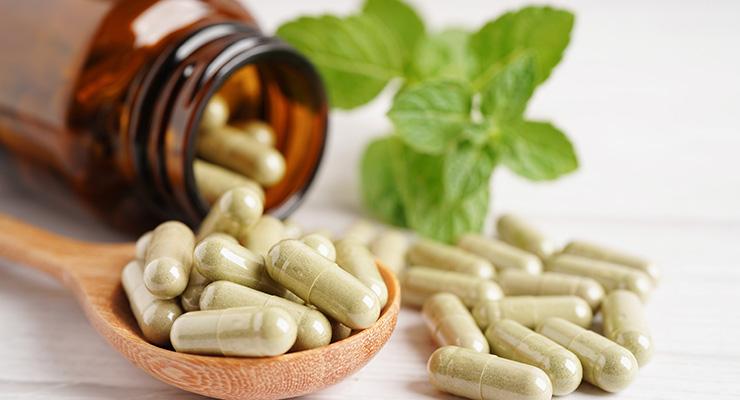
Growing interest in natural health solutions has made herbal supplement increasingly popular across Pakistan. People are turning toward traditional remedies rooted in centuries-old practices such as Unani and Ayurvedic medicine. Rising awareness about wellness, combined with easy availability of herbs, has encouraged many individuals to include herbal supplements in their daily routines.
Herbal supplements are derived from plants, including leaves, roots, seeds, flowers, and bark. These products are often used to support overall health, boost immunity, and address common health concerns without relying heavily on synthetic medications.
Understanding Herbal Supplements
Herbal supplements come in various forms such as capsules, powders, teas, oils, and extracts. Each form offers different levels of potency and convenience. In Pakistan, herbal teas and powders are especially common due to cultural familiarity and affordability.
Natural does not always mean completely safe. Proper understanding of dosage, quality, and individual health conditions is essential before incorporating any supplement into daily use.
Popular Herbal Supplements in Pakistan
Ashwagandha
Ashwagandha is widely used for stress relief and improving energy levels. Known for its adaptogenic properties, it helps the body manage stress more effectively. Many people use it to improve sleep quality and mental clarity.
Turmeric (Haldi)
Turmeric holds a special place in Pakistani households. Curcumin, its active compound, is known for anti-inflammatory and antioxidant benefits. Regular use may support joint health and improve digestion.
Ginger (Adrak)
Ginger is commonly used for digestive health. It helps reduce nausea, supports metabolism, and may relieve cold and flu symptoms. Ginger tea remains a staple remedy in many homes.
Black Seed (Kalonji)
Kalonji has strong cultural and religious significance in Pakistan. It is often used to boost immunity, support respiratory health, and maintain overall wellness. Oil and seed forms are both commonly consumed.
Fenugreek (Methi)
Fenugreek is popular for managing blood sugar levels and improving digestion. It is also used by women to support hormonal balance and lactation.
Health Benefits of Herbal Supplements
Boosting Immunity
Herbal supplements such as turmeric, black seed, and ginger are rich in antioxidants. These compounds help strengthen the immune system and protect the body against infections.
Supporting Digestive Health
Many herbs aid digestion by reducing bloating, improving gut health, and enhancing nutrient absorption. Ginger and fenugreek are especially helpful in maintaining digestive balance.
Managing Stress and Anxiety
Adaptogenic herbs like ashwagandha help regulate stress hormones. Regular use may lead to improved mood, reduced anxiety, and better sleep patterns.
Promoting Heart Health
Certain herbs may help reduce cholesterol levels and improve blood circulation. Garlic and fenugreek are commonly associated with cardiovascular support.
Enhancing Skin and Hair Health
Herbal supplements often contain vitamins and antioxidants that promote healthy skin and hair. Neem, aloe vera, and amla are widely used for beauty and wellness purposes.
Safe Use of Herbal Supplements
Consult a Healthcare Professional
Before starting any herbal supplement, consultation with a qualified healthcare provider is highly recommended. This is especially important for individuals with chronic conditions or those taking prescription medications.
Follow Recommended Dosage
Excessive use of herbal supplements can lead to side effects. Always follow recommended dosages provided on product labels or advised by professionals.
Choose High-Quality Products
Quality plays a crucial role in effectiveness and safety. Opt for products from reputable brands that follow proper manufacturing standards. In Pakistan, consumers should look for certifications or approvals from relevant health authorities.
Be Aware of Allergies
Some herbs may trigger allergic reactions. Start with small doses to assess tolerance before regular use.
Avoid Mixing Multiple Supplements
Combining multiple herbal supplements without proper guidance can lead to unwanted interactions. Focus on one or two supplements based on specific health goals.
Herbal Supplements and Traditional Medicine in Pakistan
Pakistan has a rich history of herbal medicine through Unani and traditional healing systems. Hakims (traditional practitioners) often prescribe herbal remedies tailored to individual needs. Many people still rely on these methods due to their affordability and cultural acceptance.
Modern herbal supplement brands are now blending traditional knowledge with scientific research. This approach is helping improve product quality and build consumer trust.
Challenges in Herbal Supplement Use
Lack of Regulation
Herbal supplement industry in Pakistan is still developing in terms of strict regulation. Some products may not meet quality standards, leading to concerns about safety and effectiveness.
Misleading Claims
Certain products claim unrealistic health benefits. Consumers should remain cautious and rely on evidence-based information rather than marketing promises.
Self-Medication Risks
Easy availability of herbal products encourages self-medication. Without proper knowledge, this can result in incorrect usage or delayed medical treatment.
Tips for Choosing the Right Herbal Supplement
- Identify specific health goals before selecting a supplement
- Research the herb and its scientifically supported benefits
- Check product labels for ingredients and certifications
- Prefer trusted brands with positive customer feedback
- Avoid products with artificial additives or unknown ingredients
Future of Herbal Supplements in Pakistan
Growing awareness about natural health solutions is expected to drive further demand for herbal supplements. Increased research, better regulation, and improved manufacturing practices will likely enhance product quality and safety.
Young consumers in Pakistan are becoming more health-conscious and open to preventive healthcare approaches. This trend is encouraging innovation in herbal products, including organic and sustainably sourced options.
Conclusion
Herbal supplements offer a natural way to support health and wellness when used responsibly. Strong cultural roots and increasing awareness have made them an important part of daily life in Pakistan.
Proper knowledge, careful selection, and professional guidance are key to maximizing benefits while minimizing risks. Balanced approach that combines traditional wisdom with modern science can help individuals achieve better health outcomes.

 Arabic
 French
 Spanish
 Portuguese
 Deutsch
 Turkish
 Dutch
Dutch
 Italiano
 Russian
 Romaian
 Portuguese (Brazil)
 Greek
Greek