
Mathura Dham: Your Complete Spiritual Travel Guide
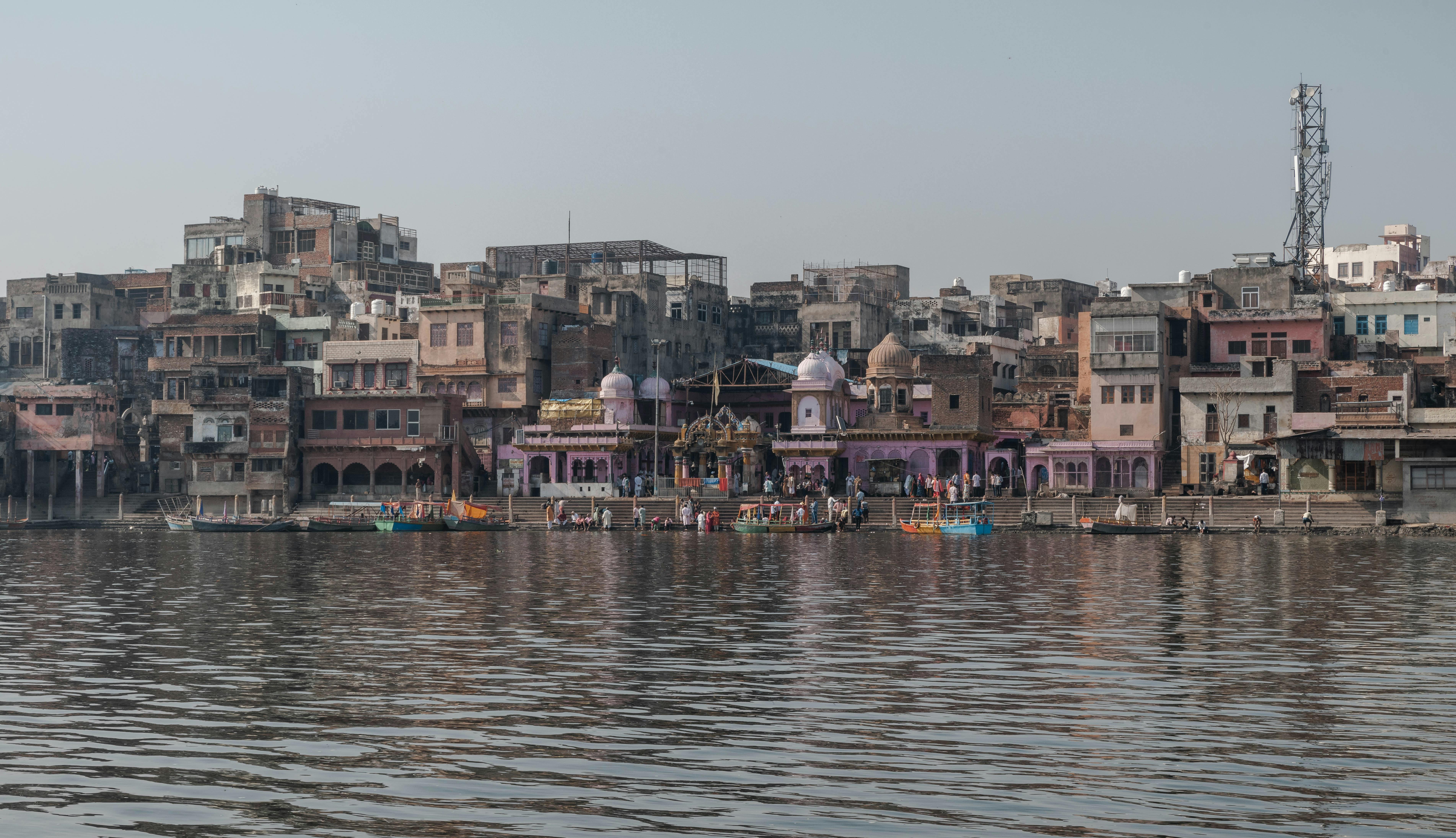
Mathura Temple Mathura dham is one of those destinations that quietly surprises you. Most American travelers have heard of the Taj Mahal and maybe Varanasi, but Mathura often flies under the radar despite being one of the most spiritually significant cities in all of India. It is the birthplace of Lord Krishna, one of the most beloved deities in Hinduism, and has been drawing pilgrims from across the subcontinent for over two thousand years. The ghats, the temples, the food, and the energy of the streets all come together to create something genuinely unlike anywhere else. Whether you are spiritually motivated or simply curious about ancient living cultures, this guide gives you everything you need to plan a great trip.
What Makes Mathura Dham So Sacred and Special
Mathura dham holds a unique position among India's holy cities. It is one of the seven Mukti Kshetras of Hinduism, meaning it is one of seven cities traditionally believed to offer liberation to devoted souls. Lord Krishna, who is central to two of Hinduism's most important texts, the Bhagavata Purana and the Bhagavad Gita, was born here over five thousand years ago according to Hindu tradition. The city sits on the western bank of the Yamuna River and has 25 ghats where pilgrims gather daily for ritual bathing and prayer. What makes Mathura dham especially powerful as a travel experience is that it has not been frozen in time as a monument. It is an actively lived sacred city where the temples are full every single morning and evening, the streets smell of incense and marigolds, and the devotional music carries through the lanes from well before sunrise.
Most Important Sites to See in Mathura Dham
The sites within mathura dham cover a wide range of experiences. The Krishna Janmabhoomi Temple complex is the most significant, built on the traditional birthplace of Lord Krishna and drawing millions of visitors every year. Vishram Ghat is the most sacred of the 25 ghats and the site of the famous evening aarti on the Yamuna River, where priests wave lamps over the water to devotional chanting that echoes across the entire riverfront. Dwarkadhish Temple, built in 1814, is one of the most architecturally impressive temples in the city with its colorful Haveli-style facade and elaborately decorated interior. Gita Mandir, located on the Mathura-Vrindavan road, has the entire text of the Bhagavad Gita inscribed on its marble walls and is a quieter and more contemplative space. The Government Museum of Mathura rounds out the historical experience beautifully with its extraordinary collection of ancient sculptures.
Best Time to Plan Your Mathura Dham Visit
October through February is the ideal window for a mathura dham visit. Temperatures during this period are cool and comfortable, ranging from pleasant afternoons to crisp evenings, and outdoor sightseeing at the ghats and temple complexes is genuinely enjoyable. November is a particularly good month because the post-monsoon freshness is still in the air and the city glows from Diwali celebrations in late October and early November without the extreme crowds of the major festival seasons. Holi in March is one of the most spectacular events in all of India and Mathura is one of the best places in the entire country to experience it, but expect very large crowds and book accommodation months in advance. Janmashtami in August, which celebrates Lord Krishna's birthday, brings millions of pilgrims to the city and the midnight ceremonies are extraordinary but logistically demanding for first-time visitors.
How to Reach Mathura Dham From Major Indian Cities
Getting to mathura dham is very straightforward from most major cities in northern India. From Delhi, the Gatimaan Express train from Hazrat Nizamuddin station is the fastest option and arrives at Mathura Junction in about 90 minutes. Other trains including the Bhopal Shatabdi also cover this route regularly. From Agra, a taxi on the Yamuna Expressway takes roughly 60 to 90 minutes depending on traffic. From Jaipur, the drive via National Highway 21 takes about four to five hours. Once you arrive at Mathura Junction, auto-rickshaws and e-rickshaws are readily available to take you to your hotel or directly to the main sites. Having your destination written in Hindi on your phone helps with communication and saves time at the station exit.
What to Wear and Carry During Mathura Dham Visit
Dressing appropriately from the start of every day in mathura dham saves a lot of time and avoids the inconvenience of being turned away at temple entrances. Cover your shoulders and knees at all times since you will be entering multiple temples throughout the day. Light cotton or linen fabrics work best in warmer months while layering with a light jacket or shawl is practical for the cooler winter months. Carry slip-on sandals since you will be removing your footwear at every temple entrance. Leave leather belts, bags, and accessories at your hotel since they are not permitted in Hindu temple premises. Pack a small daypack with water, hand sanitizer, cash in small denominations, a portable phone charger, and any medications you need. A light scarf is one of the most versatile items you can bring since it doubles as extra coverage and something comfortable to sit on at the ghats.
How Many Days You Need to Explore Mathura Dham
Two days is the minimum for a satisfying mathura dham experience, and three days is ideal for first-time visitors. On day one, focus on central Mathura including the Krishna Janmabhoomi complex, Vishram Ghat, and Dwarkadhish Temple. On day two, dedicate the morning to Vrindavan, just 10 kilometers away, for the Banke Bihari Temple and Prem Mandir, and return to Mathura for the evening aarti. On a third day, the Braj region opens up further with Govardhan Hill about 26 kilometers from the city, the peaceful step-well of Kusum Sarovar on the Govardhan road, and the villages of Nandgaon and Barsana which are associated with the childhood of Lord Krishna and Radha. Three days at a comfortable pace gives you a much more complete picture of what this sacred region actually is.
Practical Tips for First Timers Visiting Mathura Dham
First-time visitors to mathura dham benefit enormously from a few straightforward habits. Start every day by 5:30 or 6 AM to catch the morning aartis and experience the temples at their most peaceful and authentic. Carry cash in small Indian rupee denominations at all times since almost everything in the city operates on a cash basis. Download an offline map before you arrive because internet connectivity can be patchy in the older parts of the city near the ghats. Hire a knowledgeable English-speaking local guide for at least your first day because the historical and devotional context they provide transforms the experience completely. Be patient with crowds, especially near the Mathura temple sites during peak hours, because the energy is part of what makes the city extraordinary. And above all, approach the city with genuine curiosity and openness because Mathura dham has a way of giving back in proportion to what you bring to it.
https://www.travelosei.com/india/spiritual/north/mathura
Frequently Asked Questions
Is Mathura Dham worth visiting for American travelers with no religious background?
Absolutely yes. Mathura Dham is fascinating from historical, architectural, cultural, and culinary perspectives regardless of your personal beliefs. The ancient ghats, the layered temple history, the local food, and the energy of a living pilgrimage city make it one of the most genuinely interesting destinations in all of India.
What is the best base city for visiting Mathura Dham?
Staying in Mathura itself is the best option because it gives you the flexibility to visit early morning and evening aartis without a long commute. Agra works as an alternative base if you are combining both cities, but staying in Mathura for at least one night is strongly recommended.
Is it safe for solo American travelers to visit Mathura Dham?
Yes, Mathura is a well-established pilgrimage destination that receives large numbers of both domestic and international visitors. Practicing standard travel safety habits like keeping valuables secure and staying aware of your surroundings is all that is needed. A guided package adds an extra layer of ease for first-time visitors.
How much does a typical visit to Mathura Dham cost?
Mathura is one of the more affordable destinations in India. Temple entry is free at most major sites. A comfortable two-day trip including accommodation, food, and local transport can be managed for around 8,000 to 15,000 Indian rupees per person, which is well under 200 US dollars.
Do I need to arrange a guide in advance for Mathura Dham?
Arranging a guide in advance through your hotel or a reputable tour operator is always better than finding one on the street. Pre-arranged guides tend to be more reliable, have better language skills, and can structure your day more efficiently. That said, guides are also available at major temple entrances if you prefer to arrange one on arrival.

 English
 Arabic
 French
 Spanish
 Portuguese
 Deutsch
 Turkish
 Dutch
Dutch
 Russian
 Romaian
 Portuguese (Brazil)
 Greek
Greek