
How AI Development Is Shaping the Future of Technology
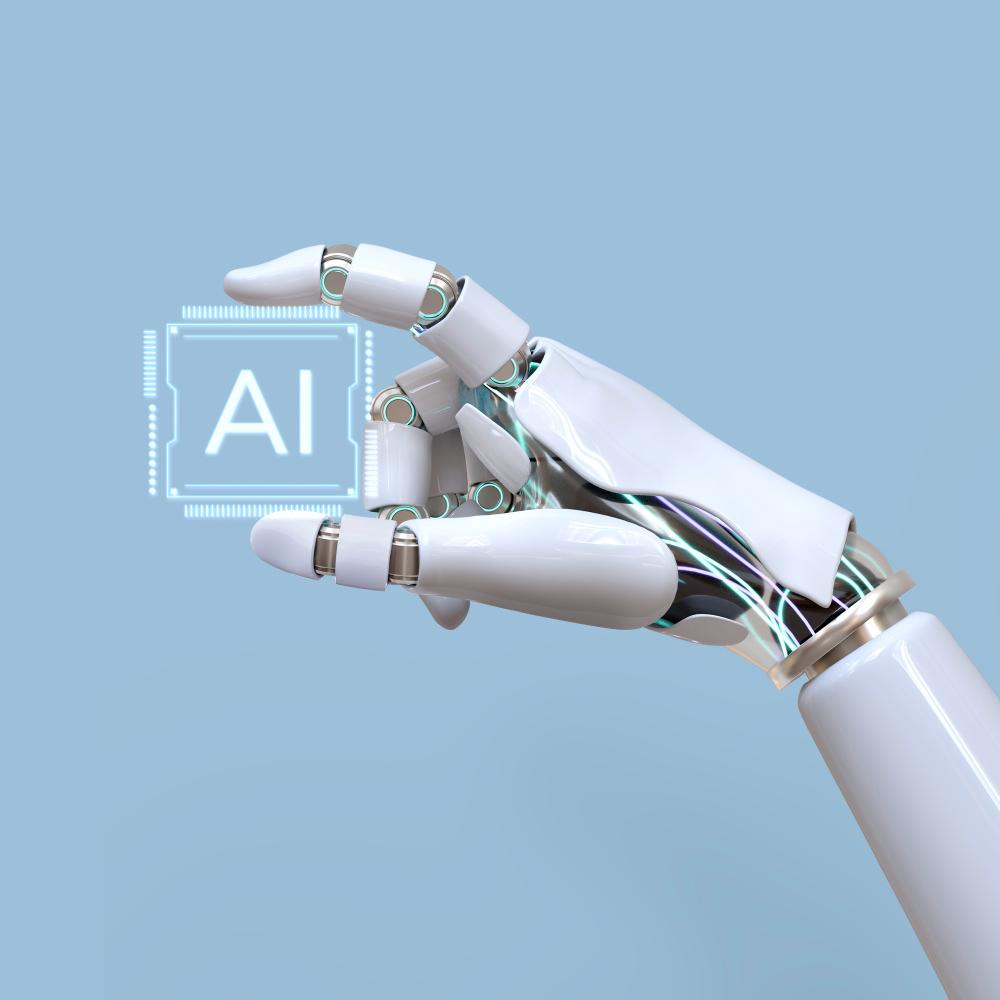
Artificial Intelligence (AI) has emerged as one of the most transformative technologies of the 21st century. What once seemed like a concept limited to science fiction is now deeply integrated into everyday life, powering everything from voice assistants and recommendation systems to autonomous vehicles and advanced data analytics. AI development is not only enhancing existing technologies but also redefining how industries operate, innovate, and compete in a rapidly evolving digital landscape.
The Rise of AI in Modern Technology
The rapid growth of AI development can be attributed to advancements in computing power, the availability of large datasets, and breakthroughs in machine learning algorithms. These elements have enabled machines to process information, learn patterns, and make decisions with remarkable accuracy. As a result, AI is becoming a core component of modern technology systems, helping organizations automate processes, improve efficiency, and deliver personalized experiences.
Businesses today are increasingly relying on AI to gain insights from data and make informed decisions. From predictive analytics to natural language processing, AI technologies are helping companies understand customer behavior, optimize operations, and identify new opportunities for growth. This shift toward data-driven decision-making is one of the key ways AI development is shaping the future of technology.
Transforming Industries Through AI
AI development is driving innovation across a wide range of industries. In healthcare, AI-powered tools are improving diagnostics, enabling early detection of diseases, and assisting doctors in developing personalized treatment plans. In finance, AI is being used for fraud detection, risk management, and algorithmic trading, making financial systems more secure and efficient.
The retail industry is also benefiting from AI through personalized recommendations, demand forecasting, and inventory management. AI algorithms analyze customer preferences and behavior to create tailored shopping experiences, which not only increase customer satisfaction but also boost sales.
In manufacturing, AI is enabling the creation of smart factories where machines can monitor their own performance, predict maintenance needs, and optimize production processes. This reduces downtime, lowers costs, and increases overall productivity. Similarly, in transportation, AI is powering autonomous vehicles and intelligent traffic management systems, paving the way for safer and more efficient mobility solutions.
Enhancing User Experiences
One of the most noticeable impacts of AI development is the improvement in user experiences. AI-driven applications such as virtual assistants, chatbots, and recommendation engines are making interactions with technology more intuitive and personalized. For example, streaming platforms use AI to recommend content based on user preferences, while e-commerce platforms suggest products tailored to individual shopping habits.
Natural language processing (NLP) has also made significant progress, enabling machines to understand and respond to human language more effectively. This has led to the development of conversational interfaces that can handle customer queries, provide support, and even perform complex tasks. As AI continues to evolve, these interactions will become even more seamless and human-like.
The Role of AI Development Companies
As AI becomes more complex and essential, organizations often turn to specialized firms for expertise and implementation. An AI Development Company plays a crucial role in helping businesses design, develop, and deploy AI solutions tailored to their specific needs. These companies bring together skilled professionals, advanced tools, and industry knowledge to create scalable and efficient AI systems.
By partnering with AI experts, businesses can accelerate their digital transformation and stay competitive in a technology-driven world. These collaborations enable organizations to adopt AI solutions without the need for extensive in-house resources, making advanced technology more accessible and practical.
Challenges in AI Development
Despite its many advantages, AI development also presents several challenges. One of the primary concerns is data privacy and security. As AI systems rely heavily on data, ensuring that sensitive information is protected is critical. Organizations must implement robust security measures and comply with regulations to maintain user trust.
Another challenge is the issue of bias in AI algorithms. If the data used to train AI models is biased, the resulting decisions can be unfair or inaccurate. Addressing this requires careful data selection, continuous monitoring, and the development of ethical AI practices.
Additionally, there is a growing need for transparency and explainability in AI systems. Users and stakeholders want to understand how decisions are made, especially in critical areas such as healthcare and finance. Developing AI models that are both powerful and interpretable remains an ongoing challenge for researchers and developers.
The Future of AI Technology
The future of AI development holds immense potential. Emerging trends such as deep learning, reinforcement learning, and edge AI are pushing the boundaries of what machines can achieve. AI is expected to play a significant role in areas such as robotics, smart cities, and environmental sustainability.
One of the most exciting developments is the rise of intelligent AI agents—systems that can operate autonomously, make decisions, and interact with their environment. These agents have the potential to revolutionize industries by handling complex tasks, improving efficiency, and enabling new forms of human-machine collaboration.
Moreover, AI is likely to become more integrated with other technologies such as the Internet of Things (IoT), blockchain, and augmented reality. This convergence will create innovative solutions that enhance connectivity, security, and user experiences across various domains.
Conclusion
AI development is fundamentally transforming the future of technology by driving innovation, improving efficiency, and enabling smarter decision-making. Its impact can be seen across industries, from healthcare and finance to retail and manufacturing. As organizations continue to embrace AI, the demand for advanced solutions and expertise will only grow.
While challenges such as data privacy, bias, and transparency need to be addressed, the benefits of AI far outweigh the risks when implemented responsibly. By leveraging AI development effectively, businesses can unlock new opportunities, enhance customer experiences, and stay ahead in an increasingly competitive digital world.

 English
 Arabic
 French
 Spanish
 Portuguese
 Turkish
 Dutch
Dutch
 Italiano
 Russian
 Romaian
 Portuguese (Brazil)
 Greek
Greek