
Beyond the Genetic Code: How Glycans are Redefining Precision Medicine
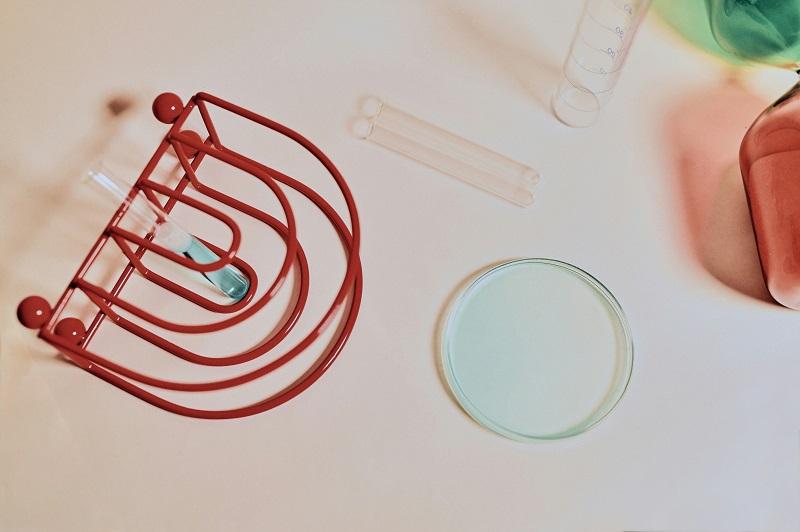
In the rapidly advancing field of glycobiology, a new frontier of therapeutic and diagnostic innovation is being defined by a specialized group of molecules known as glycans. No longer considered mere structural bystanders, these complex carbohydrate chains—ranging from N-glycans and O-glycans to diverse glycoconjugates—are the essential "software" of cellular communication. As the third essential component of biological systems alongside DNA and proteins, glycans dictate how the immune system identifies pathogens, how cancer cells metastasize, and how essential nutrients are absorbed. By leveraging high-purity carbohydrate products, researchers are now able to fuel innovation across vaccine development, oncology, and precision medicine, transforming raw biological data into scalable industrial solutions.
N-Glycans and O-Glycans in Biopharmaceutical Development
The functional importance of these molecules is most visible in the development of next-generation biopharmaceuticals and diagnostic tools. N-glycans, characterized by their attachment to nitrogen atoms on proteins, are pivotal in the field of immunology and oncology; their specific configurations can determine the efficacy, half-life, and safety profile of therapeutic antibodies. Simultaneously, the study of O-glycans has become an indispensable resource for biomarker discovery. Specialized structures serve as early pathological indicators, allowing for the precise detection of glycosylation changes associated with tumor progression. Key O-glycan biomarkers include:
l T antigen
l Tn antigen
l Sialyl T antigen
By providing consistent and reliable results from the milligram to the kilogram scale, high-purity carbohydrate products enable researchers to move beyond theoretical discovery and into the practical execution of complex clinical trials.
Human Milk Oligosaccharides in Nutrition and Microbiome Research
Parallel to these clinical advancements, the nutraceutical industry is experiencing a profound shift driven by the study of human milk oligosaccharides (HMOs). As the third most abundant component in breast milk, HMOs are complex sugars that play a dual role in infant development: acting as prebiotics to foster healthy intestinal flora and as decoy receptors to neutralize pathogens. With over 200 identified structures, these molecules are categorized into two main types:
l Neutral fucosyl oligosaccharides: Such as 2'-fucosyllactose (2'FL) and lacto-N-neotetraose (LNnT)
l Acidic sialylated oligosaccharides
High-purity synthesis of these specific structures allows researchers to explore their biological functions with unprecedented precision, providing a solid foundation for innovations in microbiome research and the development of functional foods that enhance immune function.
Blood Group and Lewis Antigens in Immunology
The significance of these carbohydrate structures extends into the critical realm of cell-to-cell communication and immune recognition, specifically through the study of Blood Group and Lewis Antigens. These complex sugar chains, often found at the terminal ends of glycoconjugates, mediate the vital interaction between a cell and its extracellular environment. In hematology and immunology research, high-specificity antigens are essential for understanding how the body distinguishes "self" from "non-self." Key antigens in this category include:
l Lewis A
l Lewis B
l Lewis X
l Lewis Y
Furthermore, many pathogens—including specific strains of rotavirus and H. pylori—utilize these histo-blood group antigens as entry points into human tissues. By utilizing thoroughly tested, high-consistency antigen series, scientists can better map these pathological pathways, paving the way for more effective antiviral strategies and a deeper understanding of human histocompatibility.
Carbohydrate Conjugates and Glycosaminoglycans as Research Tools
To translate these biological insights into actionable data, researchers rely on sophisticated tools like carbohydrate conjugates and glycosaminoglycans (GAGs). By conjugating sugars with biomolecules, scientists can create unparalleled specific probes for anti-cancer drug development and vaccine research. These conjugates allow for the precise tracking of molecular interactions within a cellular environment. Common conjugation partners include:
l Polyacrylamide (PAA)
l Biotin
l Fluorescein (FITC)
Similarly, a robust line of GAG products is essential for studying the mechanics of cell signaling and structural biology. Key GAGs utilized in research include:
l Heparin
l Hyaluronic acid (HA)
l Chondroitin sulfate (CS)
Whether using biotinylated CS for specialized binding assays or FITC-labeled HA for imaging, these modified carbohydrates provide the enhanced functionality required to navigate the complexities of molecular recognition and therapeutic development.

 English
 Arabic
 French
 Portuguese
 Deutsch
 Turkish
 Dutch
Dutch
 Italiano
 Russian
 Romaian
 Portuguese (Brazil)
 Greek
Greek