
Why Portable Infrastructure Is Becoming a Strategic Advantage for Modern Businesses
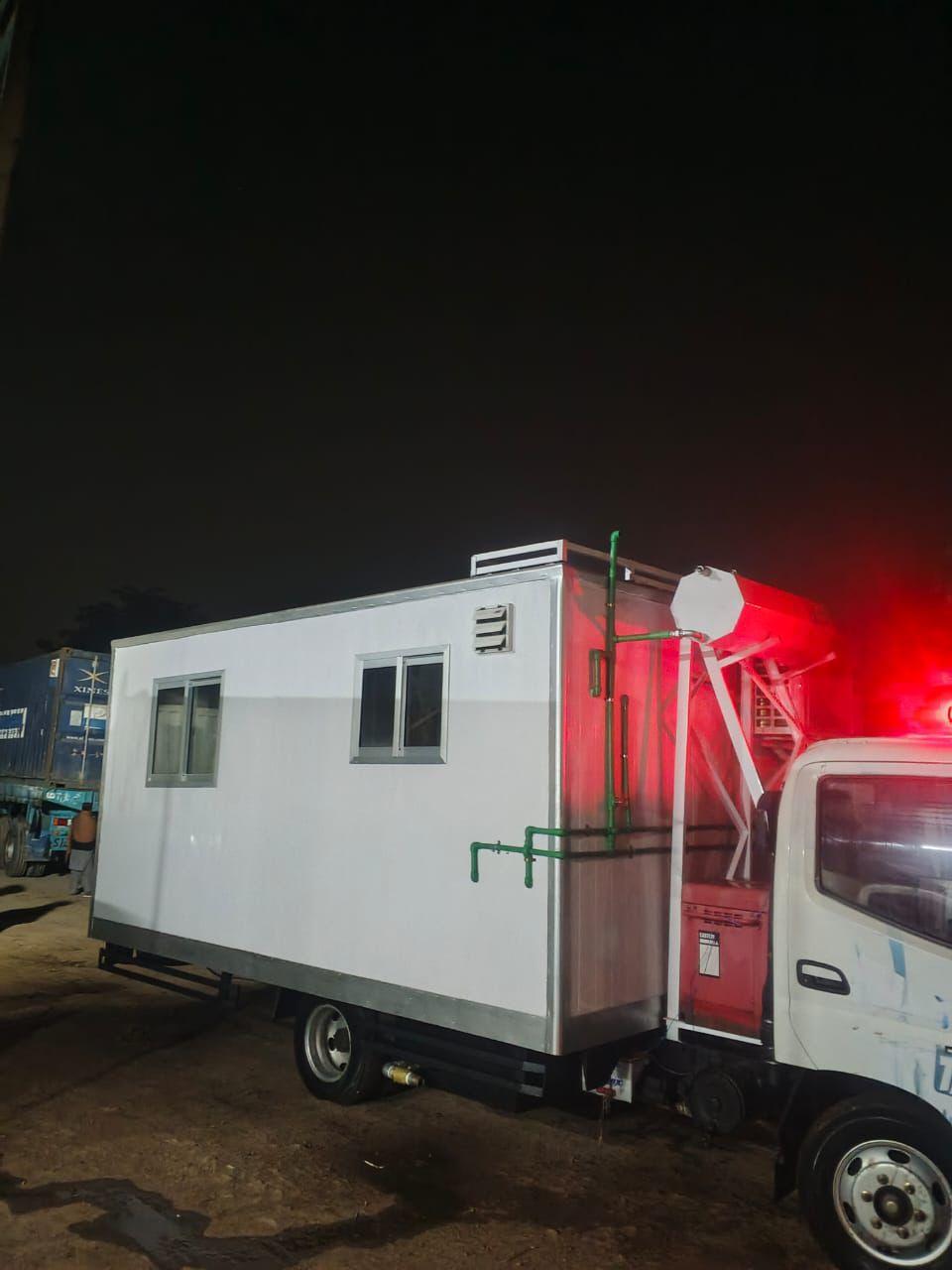
In today’s competitive environment, businesses are constantly searching for ways to improve efficiency, reduce costs, and stay adaptable. While technology and digital tools often take center stage in these discussions, one critical factor is often overlooked—physical infrastructure.
Traditionally, companies have relied on permanent buildings to support their operations. However, this approach can be limiting in a world where flexibility and speed are essential. Portable infrastructure is emerging as a powerful alternative, offering businesses the ability to adapt quickly without the long-term commitments associated with traditional construction.
The Changing Nature of Business Operations
Modern businesses rarely operate in a static environment. Projects evolve, markets shift, and customer demands fluctuate. As a result, organizations often face temporary infrastructure needs such as:
-
Expanding workspace for short-term projects
-
Setting up facilities at remote locations
-
Managing seasonal increases in workforce
-
Hosting temporary events or campaigns
Building permanent structures for these temporary needs is not only costly but also inefficient. Portable solutions provide a smarter way to address these challenges.
What Is Portable Infrastructure?
Portable infrastructure refers to prefabricated structures that can be easily transported, installed, and reused. These units are designed to provide functional spaces without requiring permanent construction.
Examples include:
-
Portable office units
-
Meeting and conference rooms
-
Sanitation facilities
-
Storage containers
-
Security cabins
-
Temporary shelters
These structures are engineered to deliver durability, comfort, and efficiency, making them suitable for both short-term and long-term use.
Key Benefits for Businesses
1. Operational Flexibility
One of the most significant advantages of portable infrastructure is flexibility. Businesses can scale their operations up or down depending on current needs.
For instance, a company launching a new project can install additional office space and remove it once the project is completed. This ability to adapt quickly gives businesses a competitive edge.
2. Faster Time to Operation
Speed is critical in business. Delays in setting up infrastructure can slow down projects and impact productivity.
Portable units are ready to use almost immediately after installation. This allows businesses to start operations quickly, reducing downtime and increasing efficiency.
3. Cost Optimization
Permanent construction involves high costs, including materials, labor, permits, and maintenance. Portable infrastructure reduces these expenses significantly.
Since the units are reusable, businesses can use them across multiple projects, maximizing their return on investment.
4. Mobility Across Locations
Many industries, such as construction and logistics, operate in multiple locations. Portable units can be easily transported from one site to another, ensuring that infrastructure is always available where it is needed.
This mobility eliminates the need to build new facilities for each location.
Industry Applications
Construction and Engineering
Construction companies rely heavily on portable infrastructure for site offices, storage units, and worker facilities. These units provide essential support without the need for permanent buildings.
Events and Promotions
Marketing campaigns, exhibitions, and festivals require temporary setups. Portable booths, offices, and sanitation units help businesses manage these events efficiently.
Corporate Sector
Companies undergoing renovations or expansions can use portable offices to maintain operations. These units ensure that productivity is not affected during transitions.
Education and Training
Portable classrooms are used by educational institutions to address space shortages or accommodate temporary increases in student numbers.
Healthcare Services
Portable medical units are used in emergencies, vaccination drives, and remote areas. They provide quick access to healthcare facilities where permanent infrastructure is not available.
Enhancing Productivity Through Better Infrastructure
Providing employees with proper facilities is essential for maintaining productivity. Portable offices and workspaces are designed to create comfortable environments where teams can focus on their tasks.
Features such as proper ventilation, lighting, and insulation ensure that these units meet the needs of modern workplaces.
Environmental and Sustainability Benefits
Sustainability is becoming a key priority for businesses. Portable infrastructure offers several environmental advantages:
-
Reduced construction waste due to reusable structures
-
Lower energy consumption during installation
-
Efficient use of materials through prefabrication
These benefits make portable solutions a responsible choice for organizations looking to minimize their environmental impact.
Choosing the Right Portable Infrastructure
To maximize the benefits of portable solutions, businesses should consider the following factors:
Purpose: Clearly define the intended use of the unit.
Size and Layout: Choose a design that meets operational requirements.
Durability: Ensure the structure can withstand environmental conditions.
Ease of Transport: Select units that can be moved easily between locations.
Customization: Look for options that allow modifications based on specific needs.
Making informed decisions ensures that portable infrastructure supports business goals effectively.
The Future of Portable Solutions in Business
As industries continue to evolve, portable infrastructure is expected to play an even larger role in business operations. Advances in design and technology are making these units more efficient, comfortable, and versatile.
Future developments may include:
-
Smart portable units with integrated technology
-
Improved energy efficiency and sustainability features
-
Enhanced modular designs for greater flexibility
These innovations will further strengthen the value of portable solutions as a strategic business asset.
Reliable Portable Infrastructure Solutions
For businesses looking to implement portable infrastructure, choosing a reliable provider is essential. High-quality units ensure durability, safety, and long-term usability.
One platform offering a wide range of portable solutions—including offices, sanitation units, and modular spaces—is http://portaking.pk/. Their products are designed to meet the needs of modern businesses, construction projects, and events with efficiency and reliability.
Conclusion
Portable infrastructure is no longer just a temporary alternative—it is becoming a strategic advantage for businesses. Its ability to provide flexibility, reduce costs, and support rapid operations makes it an essential tool in today’s dynamic environment.
By adopting portable solutions, businesses can respond quickly to changing demands, improve productivity, and optimize resources. As the need for adaptability continues to grow, portable infrastructure will remain a key factor in achieving operational success.
In a world where time, efficiency, and flexibility define competitiveness, portable solutions offer a smarter way forward.

 English
 Arabic
 French
 Portuguese
 Deutsch
 Turkish
 Dutch
Dutch
 Italiano
 Russian
 Romaian
 Portuguese (Brazil)
 Greek
Greek