
The Ultimate Guide to Scaling Your Business with Private Label Products
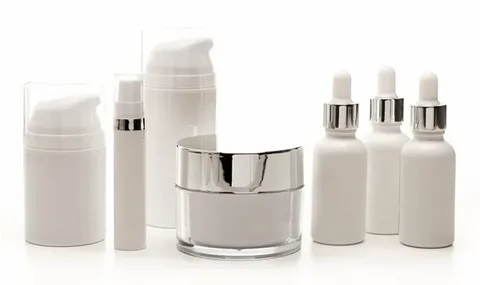
The e-commerce landscape is more competitive than ever, but one strategy continues to stand out for its high margins and brand-building potential: private label products. Whether you are a seasoned Amazon seller or a budding entrepreneur on Shopify, the ability to put your own brand on a pre-existing product is a game-changer.
In this comprehensive guide, we will explore how to identify winning items, source reliable manufacturers, and build a brand that resonates with modern consumers.
What are Private Label Products?
At its core, the concept is simple. Private label products are manufactured by a third party but sold under a retailer’s brand name. The retailer specifies everything about the product—the packaging, the label, and sometimes minor tweaks to the features—while the manufacturer handles the heavy lifting of production.
This differs from dropshipping or wholesale because you own the brand identity. You aren’t just a middleman; you are a brand owner. This ownership allows for higher profit margins and long-term business equity.
Why Private Labeling is the Future of E-commerce
The shift toward private label products has been driven by consumer behavior. Today’s shoppers are less loyal to "big box" legacy brands and more interested in value, aesthetics, and niche solutions.
1. Control Over Branding
When you sell someone else’s brand, you are at the mercy of their marketing and pricing. With your own line, you control the story.
2. Higher Profit Margins
By cutting out the "name brand" markup and going directly to the source, you can often see margins of 50% to 150%.
3. Ability to Pivot
If a certain feature isn't working, you can work with your manufacturer to improve the next batch. This agility is impossible in traditional retail models.
How to Find Profitable Private Label Niches
Finding the right private label products isn't about luck; it's about data. You need to look for the "sweet spot" where demand is high but the competition is still beatable.
Researching Market Gaps
Don't look for the most popular products; look for the most complained about products. Read 3-star reviews on Amazon. What are people frustrated with? If you can fix that one flaw through a private label manufacturer, you have a winning product.
Criteria for a Winning Product:
-
Retail Price: Between $20 and $70 (the "impulse buy" range).
-
Weight: Lightweight and small (to keep shipping costs low).
-
Seasonality: Ideally, something that sells year-round.
-
Simplicity: Avoid electronics or products with many moving parts that could break.
Sourcing Your Private Label Products
Once you have an idea, you need a partner. Most entrepreneurs look toward platforms like Alibaba or Global Sources to find manufacturers for their private label products.
Domestic vs. Overseas Sourcing
-
Overseas (e.g., China, Vietnam): Lower cost per unit, but longer lead times and potential language barriers.
-
Domestic (e.g., USA, EU): Higher costs, but faster shipping, "Made in USA" marketing appeal, and easier quality control.
Vetting Manufacturers
Always order samples. Never skip this step. You need to test the durability, packaging, and the manufacturer’s communication style before committing to a bulk order.
Building a Brand That Stands Out
In a sea of generic items, your branding is what converts a browser into a buyer. This is where your investment in private label products truly pays off.
The Power of Packaging
First impressions matter. If your product arrives in a high-quality, custom-designed box, the perceived value of the item skyrockets.
Storytelling and Values
Are your products eco-friendly? Are they designed for professional athletes? Define your "Why." Consumers are more likely to support a brand that aligns with their personal values.
Marketing Strategies for Your New Brand
You can have the best product in the world, but if no one sees it, it won't sell.
-
Search Engine Optimization (SEO): Use your keywords in your product titles, descriptions, and backend tags.
-
Influencer Marketing: Send your private label products to micro-influencers in your niche. Their endorsement carries more weight than a standard ad.
-
PPC Advertising: Use Amazon Advertising or Google Shopping to get your product on page one immediately.
Common Pitfalls to Avoid
-
Underestimating Shipping Costs: Always calculate "landed cost" (production + shipping + duties).
-
Ignoring Quality Control: One bad batch can result in a flurry of negative reviews that kill your brand before it starts.
-
Price Wars: Don't try to be the cheapest. Try to be the best or the most unique.
The Future of Private Labeling in 2026
As we move through 2026, the trend is shifting toward "Boutique Private Labeling." This involves hyper-niche products tailored to very specific hobbies or lifestyles. Sustainability is no longer a "plus"—it is a requirement.
Conclusion
Starting a business with private label products is one of the most sustainable paths to financial independence in the digital age. By focusing on quality sourcing, smart market research, and authentic branding, you can build an asset that grows in value over time. Remember, the goal isn't just to sell a product; it’s to build a brand that people trust.
Frequently Asked Questions
1. Is private labeling legal?
Yes, it is a standard business practice used by everyone from small Amazon sellers to giant retailers like Walmart (Great Value) and Costco (Kirkland).
2. How much money do I need to start?
While it varies, most experts recommend starting with $2,000 to $5,000 to cover the initial inventory, branding, and basic marketing.
3. Do I need a trademark?
While not strictly required to start, obtaining a trademark is highly recommended to protect your brand name and gain access to "Brand Registry" features on platforms like Amazon.
4. Can I private label existing brands?
No. Private labeling involves putting your brand on unbranded or "white label" items from a manufacturer. You cannot legally put your logo on a Nike shoe and resell it.
5. How do I find a manufacturer?
Platforms like Alibaba, Thomasnet, and Jungle Scout’s Supplier Database are excellent places to start your search for reliable partners.

 English
 Arabic
 Spanish
 Portuguese
 Deutsch
 Turkish
 Dutch
Dutch
 Italiano
 Russian
 Romaian
 Portuguese (Brazil)
 Greek
Greek