
Ultimate Guide To Choosing A Radiation Measurement Device For Accurate Monitoring
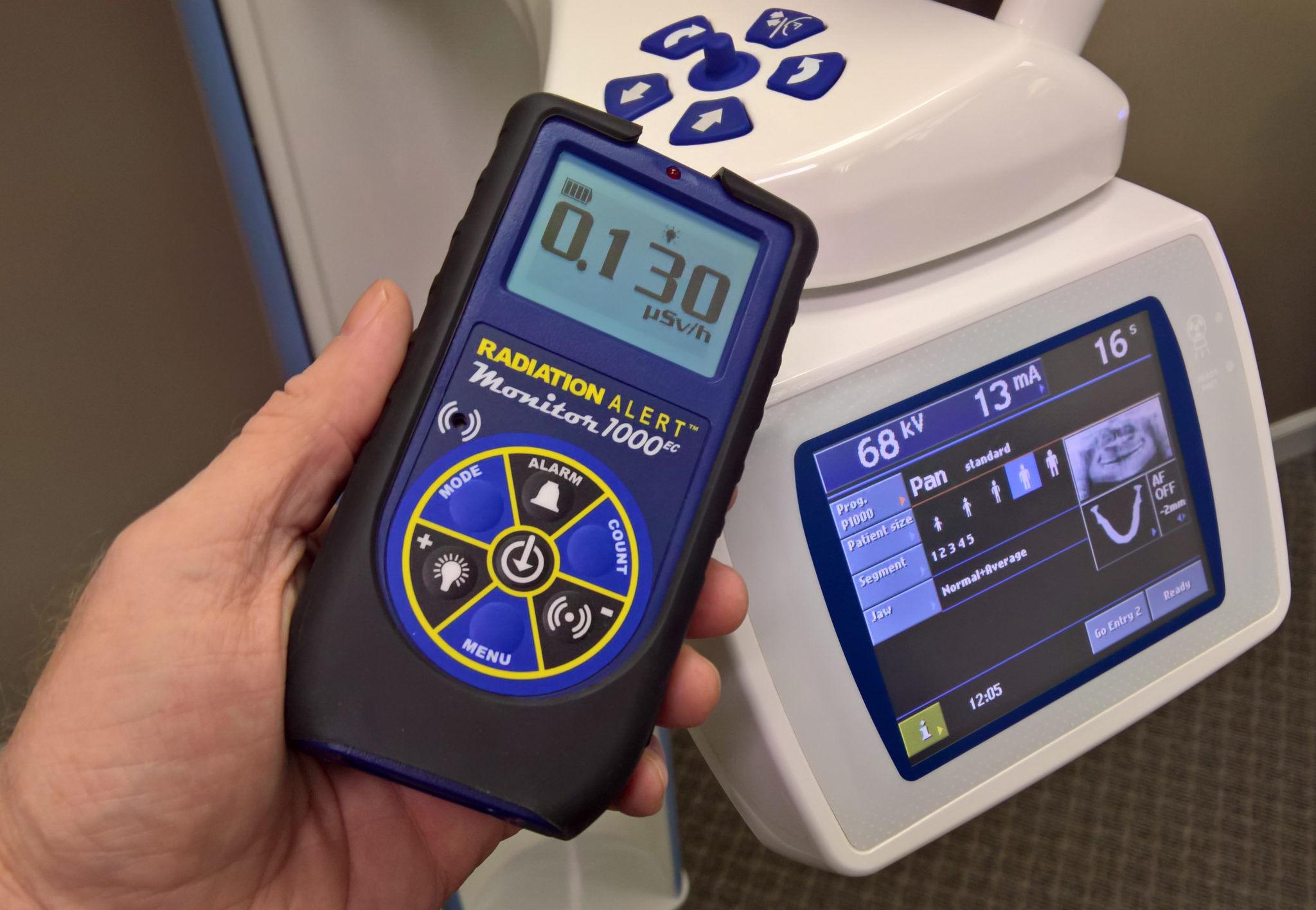
Accurate monitoring of radiation is essential in laboratories, healthcare, industrial facilities, and environmental settings. A radiation measurement device provides critical data to ensure safety, regulatory compliance, and effective management of radiation exposure. Understanding how these devices work, their applications, and the factors to consider when selecting one is key for maintaining safety across multiple sectors.
How Radiation Measurement Devices Work
Radiation measurement devices detect and quantify ionizing radiation, which can include alpha, beta, or gamma radiation. Different technologies are used depending on the intended application:
Scintillation Detectors: These devices generate light when radiation interacts with a scintillating material, which is then converted into an electrical signal. They are widely used for detecting gamma radiation and offer high sensitivity.
Ionization Chambers: Measuring the ions created when radiation passes through a gas-filled chamber, these instruments are particularly effective for alpha and beta radiation.
Semiconductor Detectors: By converting radiation directly into an electrical signal, semiconductor devices provide precise and reliable measurements suitable for research and industrial applications.
Each type has specific advantages, and the choice depends on required sensitivity, operational environment, and type of radiation being measured.
Key Applications of Radiation Measurement Devices
Healthcare
Hospitals and medical facilities use these devices to monitor radiation during imaging and therapy procedures. Accurate measurement is vital to protect both patients and medical staff, while maintaining compliance with health and safety standards.
Industrial Use
Facilities handling radioactive materials or operating nuclear-related processes rely on radiation measurement devices to detect leaks, monitor exposure levels, and ensure workplace safety. Proper monitoring prevents accidental overexposure and supports regulatory compliance.
Environmental and Research Monitoring
Environmental agencies and research laboratories use these instruments to assess background radiation, monitor contamination, and respond to potential hazards. Continuous monitoring allows rapid action to mitigate risks to communities and ecosystems.
Factors to Consider When Choosing a Device
Selecting an appropriate radiation measurement device involves evaluating multiple factors:
Detection Sensitivity and Accuracy: The device should detect expected radiation levels and provide precise measurements.
Durability and Portability: Devices for fieldwork need to withstand environmental conditions while remaining easy to transport.
Ease of Use and Data Management: Digital interfaces, integrated data logging, and real-time alerts simplify monitoring and reporting.
Calibration and Maintenance: Regular calibration ensures measurement accuracy and extends device lifespan.
Careful consideration of these factors ensures reliable monitoring and safety in all applications.
Training and Regulatory Considerations
Even advanced radiation measurement devices require skilled operators. Training ensures that personnel can interpret readings accurately and respond appropriately to elevated radiation levels.
Compliance with U.S. regulatory standards, including OSHA and Nuclear Regulatory Commission guidelines, is essential. Following these standards protects workers, the public, and the environment while fostering a culture of safety.
Advancements in Radiation Measurement Technology
Modern devices offer digital interfaces, real-time alerts, and integrated data logging. Portability and precision have improved, allowing continuous monitoring in the field and detailed data collection for research, industrial, and environmental applications. These advancements enhance safety management and regulatory compliance efforts.
Conclusion
Proper selection and use of radiation measurement devices are fundamental for monitoring and managing radiation exposure. Understanding the technology, applications, and selection criteria helps professionals maintain safe operations across healthcare, industrial, and environmental sectors. When implemented correctly, a radiation measurement device is a cornerstone of effective radiation safety practices and accurate monitoring strategies.

 English
 Arabic
 Spanish
 Portuguese
 Deutsch
 Turkish
 Dutch
Dutch
 Italiano
 Russian
 Romaian
 Portuguese (Brazil)
 Greek
Greek