
What Is the Best Rechargeable Cell for Devices and Gadgets
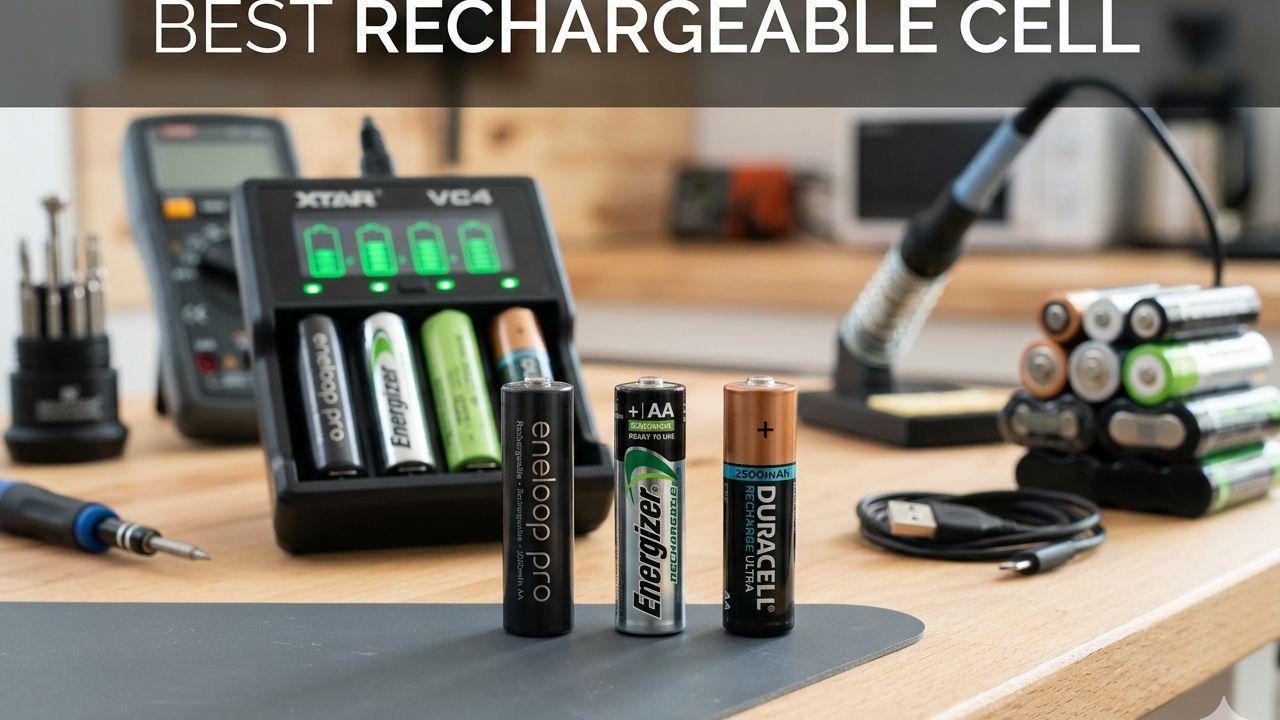
Rechargeable cells have become an essential part of modern life. From powering household devices to running high-tech gadgets, these batteries provide a sustainable alternative to disposable batteries. Choosing the best rechargeable cell can significantly impact both performance and longevity of your devices. This article explores the types, advantages, and practical tips for selecting the ideal rechargeable cell for your needs.
Understanding Rechargeable Cells
Rechargeable cells, also known as secondary batteries, are energy storage devices that can be charged and discharged multiple times. Unlike primary batteries, which are used once and discarded, rechargeable cells offer long-term cost savings and environmental benefits.
These batteries are widely used in various applications, including:
-
Remote controls and toys
-
Digital cameras and gaming devices
-
Flashlights and portable electronics
-
Medical equipment and professional tools
Understanding the characteristics of rechargeable cells helps you choose the right type for specific applications.
Types of Rechargeable Cells
Rechargeable cells come in various chemistries, each with unique advantages and limitations. The most common types include:
1. Nickel-Metal Hydride (NiMH)
NiMH batteries are popular for household devices such as remote controls, cameras, and toys. These cells offer:
-
High capacity compared to older NiCd batteries
-
Low memory effect, meaning they can be recharged at any point without losing capacity
-
Environmental friendliness, as they contain no toxic metals
However, NiMH batteries may self-discharge faster than lithium-ion cells, meaning they lose charge even when not in use.
2. Lithium-Ion (Li-ion)
Lithium-ion rechargeable cells dominate the market for smartphones, laptops, and high-performance electronics. Their key advantages include:
-
High energy density, providing longer runtime in compact sizes
-
Low self-discharge rate, allowing storage without significant energy loss
-
Lightweight design, ideal for portable devices
Despite these benefits, Li-ion batteries require protective circuits to prevent overcharging or overheating.
3. Nickel-Cadmium (NiCd)
NiCd batteries were widely used before NiMH and Li-ion became common. They are known for:
-
Robust performance in extreme temperatures
-
High discharge rate capabilities
-
Long cycle life
However, NiCd batteries contain toxic cadmium, and they suffer from memory effect, which can reduce their usable capacity over time.
4. Lithium-Polymer (Li-Po)
Li-Po batteries are a variant of lithium technology with flexible packaging, often used in drones, RC cars, and wearable devices. Their main benefits include:
-
Lightweight and thin design for space-limited devices
-
High discharge rates suitable for power-hungry applications
-
Ability to shape the battery for custom device designs
Li-Po batteries require careful handling to avoid swelling or damage during charging.
Key Features to Consider When Choosing Rechargeable Cells
Selecting the best rechargeable cell requires attention to multiple factors. Here are the most important considerations:
1. Capacity (mAh)
Battery capacity, measured in milliamp-hours (mAh), determines how long a battery can power a device before recharging. Higher mAh ratings offer longer runtime but may also increase battery size.
2. Voltage
Ensure the battery voltage matches your device’s requirements. Using a battery with incompatible voltage can damage electronics or reduce efficiency.
3. Cycle Life
Cycle life indicates how many times a battery can be fully charged and discharged before its capacity drops below 80%. Batteries with longer cycle life provide better long-term value.
4. Self-Discharge Rate
Some batteries lose charge faster when not in use. For devices that are stored for long periods, low self-discharge batteries are preferable. NiMH low self-discharge variants are ideal for these scenarios.
5. Safety Features
Look for batteries with built-in protection circuits, especially in Li-ion and Li-Po cells. These features prevent overcharging, overheating, and short circuits.
6. Brand Reputation
Reputable brands invest in quality control and offer warranties, ensuring reliability and performance. Brands like Panasonic, Duracell, and Energizer have consistently delivered high-quality rechargeable cells.
Top Rechargeable Cells on the Market
Based on performance, durability, and customer reviews, the following rechargeable cells are widely recommended:
1. Panasonic Eneloop NiMH
Panasonic Eneloop batteries are known for:
-
Low self-discharge
-
Up to 2,100 recharge cycles
-
Excellent performance in both high and low drain devices
These batteries are ideal for cameras, flashlights, and gaming controllers.
2. Duracell Rechargeable AA and AAA
Duracell offers high-capacity NiMH batteries suitable for household devices. Key features include:
-
Consistent power output
-
Pre-charged and ready to use
-
Long shelf life
They are reliable for remote controls, toys, and other frequently used devices.
3. LG and Samsung Lithium-Ion Cells
Li-ion cells from LG and Samsung are commonly used in high-performance electronics. Advantages include:
-
High energy density for extended device runtime
-
Lightweight and compact design
-
Built-in safety features for safe charging
These cells are widely used in smartphones, laptops, and power banks.
4. Tattu Lithium-Polymer Batteries
Tattu Li-Po batteries are ideal for drones, RC vehicles, and high-discharge applications. They offer:
-
High discharge capability for demanding devices
-
Durable and lightweight construction
-
Customizable shapes for specialized equipment
Tips for Maintaining Rechargeable Cells
Proper maintenance extends battery life and ensures consistent performance. Follow these guidelines:
1. Avoid Overcharging
Use chargers designed for the specific battery type. Overcharging can lead to overheating and reduce battery lifespan.
2. Store Properly
Store batteries in a cool, dry place. Avoid leaving them in high-temperature environments or direct sunlight.
3. Regular Usage
Batteries last longer when regularly used and recharged. Avoid leaving them unused for extended periods.
4. Keep Contacts Clean
Dirty or corroded contacts reduce battery efficiency. Clean contacts gently with a soft cloth to maintain optimal performance.
5. Follow Manufacturer Guidelines
Always follow charging instructions and safety warnings provided by the battery manufacturer. Each chemistry has specific handling requirements.
Advantages of Using Rechargeable Cells
Investing in the best rechargeable cell provides several benefits:
-
Cost-Effective: Rechargeable cells save money over time, as they can replace hundreds of disposable batteries.
-
Environmentally Friendly: Reducing disposable battery waste helps minimize environmental impact.
-
Reliable Performance: High-quality rechargeable batteries provide consistent power output, supporting device efficiency.
-
Convenient: Rechargeable batteries can be reused multiple times, reducing the need to constantly purchase new ones.
Common Applications of Rechargeable Cells
Rechargeable cells are used in various industries and everyday applications, such as:
-
Consumer Electronics: Smartphones, cameras, and tablets rely on Li-ion batteries for long-lasting power.
-
Medical Devices: Rechargeable batteries power portable medical equipment, ensuring uninterrupted operation.
-
Toys and Gadgets: NiMH batteries keep toys, RC cars, and gaming controllers running efficiently.
-
Renewable Energy Storage: Rechargeable batteries store solar or wind energy for household or industrial use.
Conclusion
Choosing the best rechargeable cell depends on understanding the device requirements, battery chemistry, and key features like capacity, voltage, and cycle life. NiMH batteries are ideal for household gadgets, while Li-ion and Li-Po cells excel in high-performance electronics and specialized applications. By investing in quality rechargeable cells, users can enjoy cost savings, reliable performance, and environmental benefits.
Whether for personal devices or professional equipment, the right rechargeable cell ensures your gadgets stay powered efficiently and safely. Prioritize reputable brands, proper maintenance, and the right chemistry to maximize battery life and get the most value from your investment.

 English
 Arabic
 French
 Spanish
 Portuguese
 Deutsch
 Turkish
 Dutch
Dutch
 Italiano
 Russian
 Romaian
 Portuguese (Brazil)