
Complete Guide to Choosing the Best Kitchen Knife Set for Every Home Cook
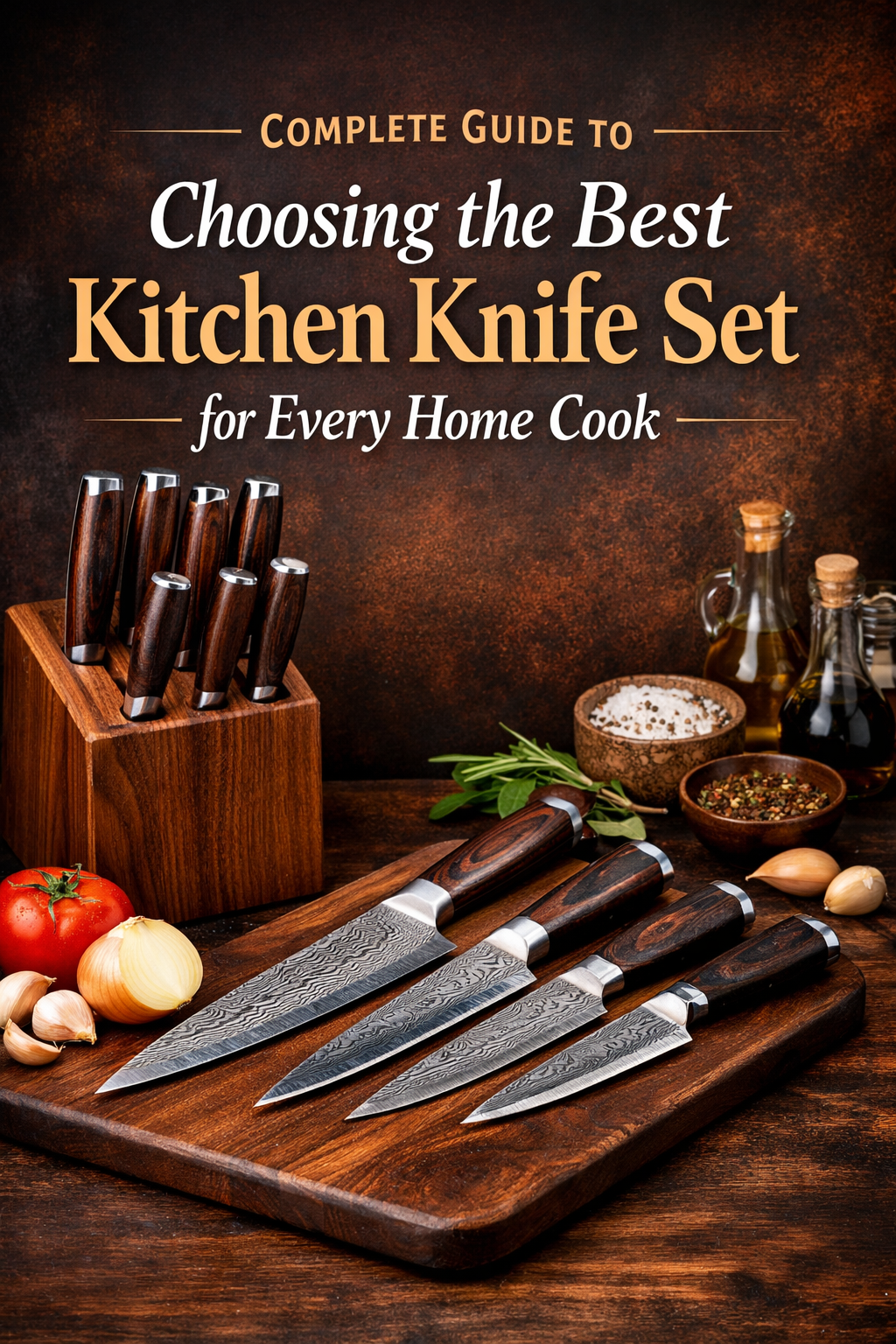
A well-equipped kitchen begins with the right tools, and among them, a high-quality knife set is essential. Whether you are a beginner learning basic cooking skills or an experienced home chef preparing complex recipes, the right kitchen knives can dramatically improve your cooking experience. From chopping vegetables to slicing meat with precision, a good knife set makes preparation easier, safer, and more enjoyable.This complete guide will help you understand how to choose the best kitchen knife set for your needs, what features to look for, and how to maintain your knives so they last for years.
Why a Good Kitchen Knife Set Matters
Many home cooks underestimate the importance of a good knife set. However, knives are the most frequently used tools in the kitchen. Using dull or poor-quality knives can make cooking frustrating and even dangerous.
A high-quality knife set offers several benefits.
-
Efficiency: Sharp knives cut faster and more precisely.
-
Safety: Proper knives require less force, reducing the risk of slipping.
-
Versatility: Different knives handle different tasks effectively.
-
Durability: Good knives can last for decades with proper care.
Investing in the right knife set means you’ll enjoy smoother meal preparation and better results in the kitchen.
Essential Knives Every Kitchen Should Have
Before buying a knife set, it’s important to understand which knives are actually necessary. Many sets include extra pieces you may never use. The best sets focus on essential knives that cover most kitchen tasks.
Chef’s Knife
The chef’s knife is the most versatile and commonly used kitchen knife. Typically ranging from 8 to 10 inches, it’s designed for chopping vegetables, slicing meat, mincing herbs, and much more.If you could only choose one knife, the chef’s knife would be the most important.
Paring Knife
A paring knife is small and precise, usually around 3 to 4 inches long. It’s ideal for peeling fruits, trimming vegetables, and performing delicate cutting tasks.
Bread Knife
Bread knives have serrated edges that easily cut through crusty bread without crushing the soft interior. They are also useful for slicing tomatoes, cakes, and other delicate foods.
Utility Knife
A utility knife sits between a chef’s knife and a paring knife in size. It’s perfect for slicing sandwiches, cutting fruits, and performing medium-sized cutting tasks.
Carving or Slicing Knife
This knife is designed for slicing cooked meats like roast chicken, turkey, or beef. Its long, thin blade allows smooth and even cuts.
Knife Blade Materials: What You Need to Know
One of the most important factors when choosing a knife set is the blade material. Different materials offer different levels of sharpness, durability, and maintenance.
Stainless Steel
Stainless steel knives are the most common choice for home kitchens. They resist rust, stains, and corrosion, making them easy to maintain.
Advantages:
-
Low maintenance
-
Rust resistant
-
Affordable
High-Carbon Stainless Steel
This material combines the durability of stainless steel with the sharpness of carbon steel. Many professional chefs prefer high-carbon stainless steel blades because they stay sharp longer.
Ceramic
Ceramic knives are extremely sharp and lightweight. However, they are more brittle and can chip if dropped or used improperly.
Best for: slicing fruits and vegetables rather than heavy-duty cutting.
Handle Comfort and Design
The knife handle is just as important as the blade. A comfortable handle improves control and reduces fatigue during long cooking sessions.
Look for these features when evaluating knife handles.
-
Ergonomic design for comfortable grip
-
Non-slip materials for safety
-
Balanced weight distribution
Common handle materials include wood, plastic, and composite materials. Each offers different levels of durability and comfort.
Knife Set vs Individual Knives
Some home cooks prefer buying knives individually, while others choose a complete knife set. Each option has its advantages.
Knife Sets
Knife sets usually include several knives, kitchen shears, and a storage block. They are convenient and often cost less than buying knives separately.
Benefits:
-
Matching design
-
Organized storage
-
Better overall value
Individual Knives
Buying knives individually allows you to choose the exact knives you need and prioritize higher quality.
Best for: experienced cooks who know their preferences.
Storage Options for Kitchen Knives
Proper storage protects both your knives and your safety. There are several common storage solutions.
Knife Blocks
Knife blocks are traditional and keep knives organized on the countertop. They also protect the blade edges.
Magnetic Knife Strips
Magnetic strips mount on the wall and hold knives securely. They save counter space and allow easy access.
Drawer Inserts
Drawer knife organizers are ideal for kitchens with limited counter space.
Knife Maintenance and Care
Even the best knife set requires proper care to maintain performance and longevity.
Regular Sharpening
Knives gradually lose their sharp edge over time. Using a honing rod regularly helps maintain the blade alignment, while sharpening restores the cutting edge.
Proper Cleaning
Always wash knives by hand with mild soap and warm water. Avoid placing knives in the dishwasher, as harsh detergents and heat can damage the blades.
Safe Cutting Surfaces
Use wooden or plastic cutting boards rather than glass or stone surfaces, which can dull blades quickly.
How to Choose the Right Knife Set for Your Needs
When selecting a knife set, consider the following factors.
Cooking Habits
Think about what you cook most often. If you frequently prepare vegetables, a strong chef’s knife and paring knife are essential. Meat lovers may benefit from carving knives and boning knives.
Budget
Knife sets range from budget-friendly to professional grade. While it’s tempting to buy the cheapest option, investing in higher quality knives often saves money in the long run.
Kitchen Space
Consider how much space you have available for storage. Compact sets or magnetic strips may work better in smaller kitchens.
Durability
Look for knives made from durable materials that maintain sharpness and resist corrosion.For example, quality kitchen tools offered by brands such as Blade Vista emphasize durability, balance, and performance, which are key features every home cook should look for when selecting knives.
Common Mistakes to Avoid When Buying Knife Sets
Many buyers make similar mistakes when choosing a knife set. Avoid these common pitfalls:
Buying too many knives: Large sets often include knives that rarely get used.
Ignoring comfort: Always consider how the knife feels in your hand.
Choosing appearance over quality: A stylish knife set isn’t useful if the blades dull quickly.
Skipping maintenance tools: A honing rod or sharpener is essential for keeping knives in good condition.
Final Thoughts
Choosing the best kitchen knife set doesn’t have to be complicated. By focusing on essential knives, durable materials, and comfortable handles, you can find a set that suits your cooking style and kitchen needs.Remember that a few high-quality knives are often better than a large set filled with unnecessary tools. With proper care, the right knives will serve you reliably for years and make cooking more enjoyable every day.Whether you're preparing quick weekday meals or experimenting with new recipes, investing in the right kitchen knife set is one of the smartest decisions any home cook can make.

 English
 Arabic
 French
 Spanish
 Portuguese
 Deutsch
 Turkish
 Italiano
 Russian
 Romaian
 Portuguese (Brazil)
 Greek
Greek