
How to Build Scaffolding: A Step-by-Step Guide
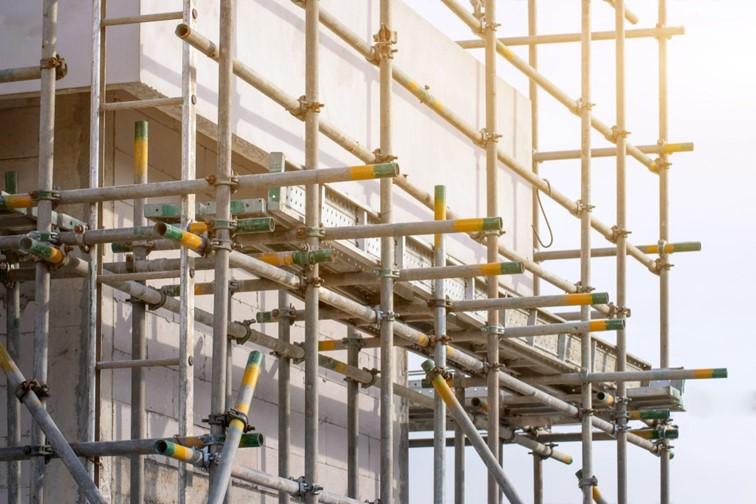
Building safe and strong scaffolding may look hard at first, but with the right steps, it becomes clear and simple. This guide will show you exactly how to plan, set up, and secure scaffolding the right way. You will learn about tools, safety rules, base setup, platform building, and final checks. If you want to understand Scaffolding construction in a smart and safe way, this step-by-step guide will help you from start to finish.
Scaffolding is a temporary structure that helps workers reach high places safely. It is used for painting, repairs, brickwork, and building jobs. When done right, it makes work faster and safer. When done wrong, it can be very risky. That is why learning the correct process is so important. Let’s begin with the most important step—planning.
Plan Before You Build
Good planning saves time and prevents accidents in any Scaffolding construction project. First, look at the job site. Is the ground flat? Is it soft or hard? Are there power lines nearby? These details matter more than you may think. A strong plan starts with understanding the area.
Next, know how high the scaffolding needs to be. Measure the height and width carefully. Think about how many workers will stand on it and what tools they will use. The more weight it must hold, the stronger it must be. Smart planning makes the rest of the work easier and safer.
Gather the Right Materials
Before building, make sure you have all the needed parts. Common scaffolding parts include base plates, frames, cross braces, platforms, guardrails, and pins. Each part has a purpose. Missing even one part can weaken the whole structure.
Always check that the parts are not bent, cracked, or rusty. Damaged pieces should never be used. Using strong and clean materials is the first step toward a safe build. Once your materials are ready, you can move to the ground setup.
Prepare the Ground
The ground is the base of your scaffolding. If the base is weak, the whole structure can fail. Make sure the ground is level and firm. If the soil is soft, place wooden boards or base plates under the legs to spread the weight.
Never place scaffolding on loose bricks, blocks, or uneven objects. Small mistakes at the bottom can cause big problems at the top. A steady base gives you peace of mind and keeps everyone safe.
Set the Base Plates and Frames
Now it is time to place the base plates on the ground. These plates spread the weight and keep the frames stable. Position them carefully and make sure they are level.
After placing the base plates, attach the first set of vertical frames. Connect them using cross braces. These braces form an “X” shape between frames and give the structure strength. Check that everything is locked in place before moving on. A firm first level sets the tone for the whole build.
Add More Levels Carefully
If you need more height, continue adding frames on top of the first level. Always secure each new frame with pins or locking devices. Then attach cross braces again to keep it steady.
Never rush when building upward. Work level by level. After each section, check if it is straight and balanced. Use a level tool to confirm alignment. The higher you go, the more careful you must be. Slow and steady always wins here.
Install the Platforms
Once the frame is complete, it is time to add the working platform. Place strong scaffold planks across the frame. Make sure the planks fully cover the work area and do not leave gaps.
Each plank should sit flat and not move when stepped on. If a plank shifts or bends too much, replace it. A stable platform keeps workers confident and focused. And when workers feel safe, they work better.
Add Guardrails and Safety Features
Safety does not stop at strong frames. Guardrails are a must. Install top rails and mid rails on all open sides of the platform. These prevent falls and add extra protection.
Toe boards should also be added. These stop tools or materials from falling off the edge. Safety harness points may be needed for higher structures. Small safety steps can prevent serious injuries. That is why this stage should never be skipped.
Secure the Scaffolding to the Building
For taller scaffolding, tie it to the building at regular intervals. This keeps the structure from tipping or swaying. Use proper anchors and secure them tightly.
Ties should be placed every few meters vertically and horizontally, depending on height. This extra support keeps the structure steady, especially in windy weather. Strong ties mean strong protection.
Inspect Before Use
Before anyone climbs up, do a full inspection. Check all braces, pins, planks, and rails. Make sure nothing is loose. Shake the structure gently to test its stability.
Inspection should be done daily and after strong winds or heavy rain. Regular checks prevent accidents before they happen. A few minutes of inspection can save lives.
Safe Use and Dismantling
Building scaffolding is only part of the job. Using it safely is just as important. Never overload the platform. Do not jump or run on it. Always climb using proper access ladders.
When the job is done, dismantle the scaffolding in reverse order. Remove guardrails and planks first. Then take down frames level by level. Never remove lower supports before upper parts are removed. Safe dismantling is as important as safe building.
Common Mistakes to Avoid
Even skilled workers can make mistakes. One common error is skipping base preparation. Another is not securing braces tightly. Some people also forget to inspect daily.
Avoid mixing parts from different systems unless they are compatible. Poor fitting parts reduce strength. Also, never work alone when building tall scaffolding. Teamwork improves safety and speed.
Why Proper Training Matters
While the steps seem simple, training makes a big difference. Trained workers know how to spot risks early. They understand weight limits and safety codes.
Learning from professionals helps prevent costly errors. For reliable guidance and professional standards, many industry leaders recommend following proven methods from experienced providers in the field.
Final Thoughts
Building scaffolding is about more than stacking metal frames. It is about safety, planning, and careful work. When you follow the right steps—plan well, prepare the ground, build level by level, secure everything, and inspect daily—you create a safe space for workers to do their job.
If you want trusted support and expert insight into safe and reliable scaffolding systems, consider learning more from G & R Insulating and Scaffolding at grinsulating.com. Their experience in safe building practices continues to support high standards across projects of all sizes.
FAQs
How long does it take to build scaffolding?
It depends on the height and size. Small setups may take a few hours. Larger systems may take a full day or more.
Can scaffolding be built on uneven ground?
Yes, but the ground must be leveled or supported with base plates and boards. Stability is always the first priority.
How often should scaffolding be inspected?
It should be inspected before first use, daily during use, and after bad weather.

 English
 Arabic
 French
 Spanish
 Portuguese
 Deutsch
 Turkish
 Dutch
Dutch
 Italiano
 Russian
 Portuguese (Brazil)
 Greek
Greek