
Is Indian Food Healthy Compared to Other Cuisines?
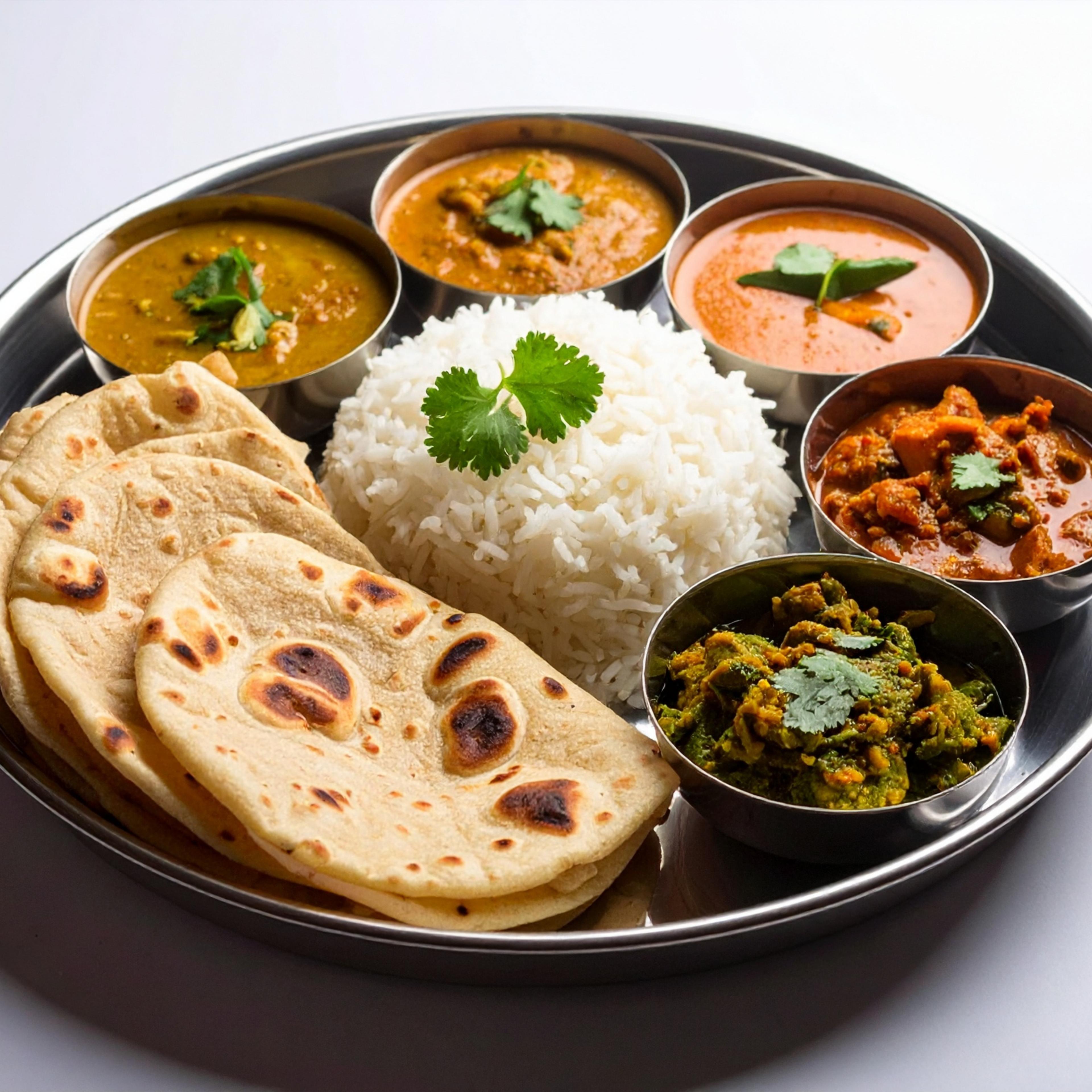
Many people wonder whether indian food is a healthy option compared to other global cuisines. The honest answer depends on the ingredients used, cooking techniques applied, and portion sizes consumed. Like any cuisine, it offers both lighter and richer choices. When prepared thoughtfully and eaten in moderation, Indian cuisine can provide balanced nutrition and wholesome variety.
Its strong foundation in plant-based ingredients and traditional cooking practices gives it the potential to support a well-rounded diet.
Use of Natural Ingredients
Traditional Indian recipes frequently incorporate lentils, beans, seasonal vegetables, whole grains, yoghurt, and aromatic spices. Lentils and legumes such as chickpeas and kidney beans are rich in plant-based protein and fibre. Whole grains like brown rice and whole-wheat roti contribute complex carbohydrates that release energy gradually.
Spices such as turmeric, ginger, cumin, and coriander are widely used not only for flavour but also for their natural properties. These ingredients enhance taste without relying heavily on artificial additives.
Because many dishes are built from scratch using fresh components, the nutritional value can be quite strong when balanced properly.
Variety of Cooking Methods
Indian cuisine features diverse cooking techniques. Some dishes are grilled in a tandoor, steamed, simmered, or slow-cooked, while others may be sautéed or fried.
Grilled items such as tandoori vegetables or meats are generally lighter options, as they require minimal oil. Steamed dishes and lentil-based preparations can also be nourishing choices. Slow cooking helps spices blend deeply into ingredients, enhancing flavour without excessive fat.
However, certain celebratory dishes may involve cream, butter, or deep frying. Like any cuisine, choosing preparation methods wisely plays a key role in maintaining balance.
Vegetarian Options
A major strength of Indian cuisine is its extensive vegetarian foundation. Many traditional meals centre around lentils, vegetables, yoghurt, and grains rather than meat.
Dishes such as lentil dal, chickpea curry, spinach-based preparations, and mixed vegetable curries offer protein and essential nutrients without relying heavily on animal products. When paired with rice or whole-wheat bread, these combinations create complete and satisfying meals.
As plant-based diets become more popular globally, Indian cuisine naturally aligns with these preferences.
Portion Awareness
Portion size is important when evaluating healthfulness. Rich, cream-based curries and fried snacks are often part of festive or occasional meals rather than everyday staples. Enjoying them in moderation helps maintain balance.
In restaurant settings, sharing dishes and combining heavier options with lighter vegetable or lentil preparations can create a more nutritious plate. Mindful choices make a noticeable difference.
The cuisine itself offers flexibility — it is the selection and quantity that determine overall nutritional impact.
Balanced Meal Structure
A traditional Indian meal often includes rice or bread, a lentil dish, one or two vegetable preparations, yoghurt, and small accompaniments like pickles. This structure naturally combines carbohydrates, protein, fibre, and healthy fats.
The inclusion of fermented dairy such as yoghurt adds beneficial elements to the meal, while vegetables provide colour and variety. When arranged thoughtfully, the meal supports balanced nutrition.
Customisation and Adaptability
Another reason Indian cuisine can fit into a healthy lifestyle is its adaptability. Spice levels, oil quantities, and ingredient substitutions can be adjusted easily. Using less cream, choosing grilled items, and incorporating more vegetables are simple ways to make meals lighter.
This flexibility allows diners to align their choices with personal dietary goals.
Summary
Indian food can certainly be healthy when balanced and thoughtfully selected. Its strong use of lentils, vegetables, whole grains, and natural spices provides a solid nutritional foundation. By choosing lighter preparation methods, moderating portions, and maintaining variety, diners can enjoy the rich flavours of Indian cuisine while supporting overall wellbeing.

 English
 Arabic
 French
 Spanish
 Portuguese
 Deutsch
 Turkish
 Italiano
 Russian
 Romaian
 Portuguese (Brazil)
 Greek
Greek