
8 Benefits of Professional Utility Installation
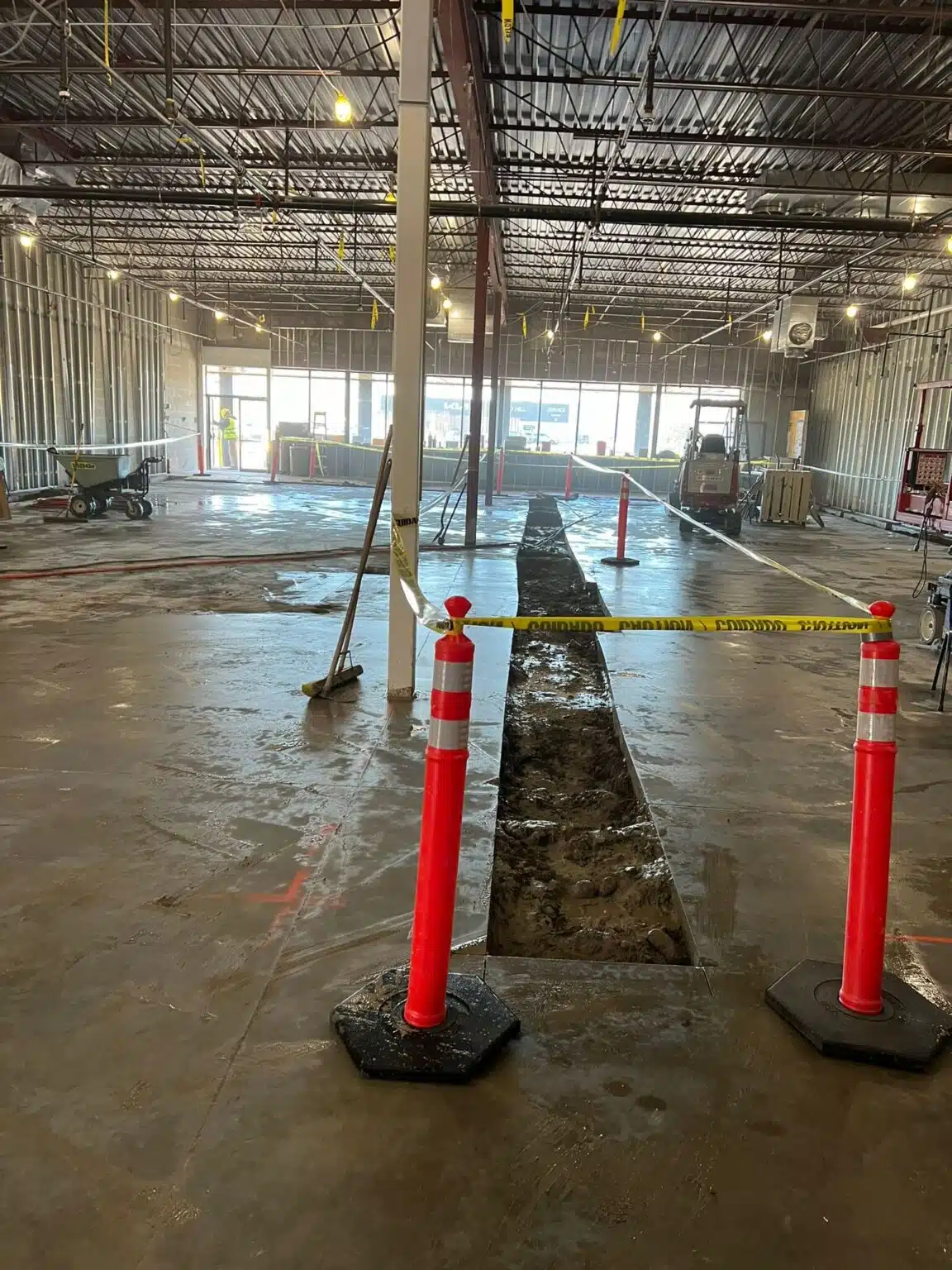
Utility installation is one of the most important steps in any residential, commercial, or industrial construction project. Whether you are building a new property, upgrading infrastructure, or expanding an existing system, utilities such as water, gas, electricity, sewer, and telecommunications must be installed correctly from the start.
In Massachusetts, utility installation is governed by strict building codes, safety regulations, and permitting requirements. Because these systems form the backbone of any property’s functionality and safety, working with experienced professionals is not just recommended—it is essential.
This article explores the eight key benefits of professional utility installation, helping property owners, developers, and business managers understand why expert installation is a smart long-term investment.
What Is Utility Installation?
Utility installation refers to the planning, placement, and connection of essential service systems that make a building usable and compliant with local regulations. These utilities typically include:
-
Water supply systems
-
Gas lines
-
Electrical infrastructure
-
Sewer and drainage systems
-
Communication and data lines
Professional utility installation ensures these systems work together safely, efficiently, and in compliance with Massachusetts codes.
Why Professional Utility Installation Matters in Massachusetts
Massachusetts has some of the most comprehensive construction and safety regulations in the country. Utility installation often requires permits, inspections, and licensed professionals to ensure public safety and environmental protection.
Improper installation can lead to service failures, safety hazards, code violations, and costly repairs. Choosing professional installation reduces these risks significantly.
1. Compliance With Massachusetts Building Codes
One of the most important benefits of professional utility installation is guaranteed compliance with state and local regulations.
Understanding Local Code Requirements
Massachusetts utility codes cover everything from material standards to depth requirements, system separation, and safety clearances. Licensed professionals stay up to date with these rules, helping property owners avoid violations.
Avoiding Legal and Financial Penalties
Non-compliant utility installation can result in fines, failed inspections, project delays, and even forced system removal. Professional installers ensure every aspect of the job meets legal requirements.
2. Enhanced Safety for Property and Occupants
Utility systems carry water, electricity, gas, and waste—all of which can pose serious risks if improperly installed.
Reducing Hazards
Professional utility installation minimizes risks such as:
-
Electrical fires
-
Gas leaks
-
Water contamination
-
Structural damage from leaks or poor drainage
Safety-focused installation protects both occupants and surrounding properties.
3. Proper System Planning and Design
Utility installation is not just about placing pipes or wires. It requires strategic planning to ensure long-term performance.
Load and Capacity Considerations
Professionals assess usage demands to design systems that can handle current and future needs. This is especially important for commercial properties or multi-unit residential buildings.
Future-Proofing Your Property
Well-planned utility installation allows for future upgrades or expansions without major rework, saving time and money down the line.
4. Long-Term Cost Efficiency
While professional utility installation may seem more expensive upfront, it often results in significant long-term savings.
Fewer Repairs and Failures
Proper installation reduces the likelihood of leaks, outages, or breakdowns that require emergency repairs.
Lower Maintenance Costs
Systems installed correctly from the beginning require less maintenance and have a longer service life, making them more cost-effective over time.
5. Improved Reliability and Performance
Utilities must function consistently to support daily operations and comfort.
Consistent Service Delivery
Professional utility installation ensures stable water pressure, reliable electrical flow, and efficient waste removal.
Reduced Downtime
For businesses in Massachusetts, reliable utilities are essential. Professional installation minimizes unexpected disruptions that can impact operations or revenue.
6. Faster Project Completion
Experienced utility installation professionals understand how to coordinate efficiently with other construction phases.
Streamlined Workflow
Professionals follow established processes, helping projects stay on schedule and avoid delays caused by errors or failed inspections.
Coordination With Inspections
In Massachusetts, inspections are a mandatory part of utility installation. Professionals know how to prepare systems for approval, reducing repeat visits.
7. Increased Property Value
High-quality utility installation adds tangible value to a property.
Appealing to Buyers and Tenants
Buyers and tenants prefer properties with reliable, code-compliant utility systems. Professional installation enhances marketability.
Supporting Appraisals and Financing
Documented professional utility installation can support higher appraisals and smoother financing processes.
8. Peace of Mind and Professional Accountability
Perhaps the most overlooked benefit of professional utility installation is peace of mind.
Licensed and Insured Work
Professional installers carry licenses and insurance, protecting property owners from liability in case of issues.
Clear Responsibility
When utilities are installed by professionals, accountability is clear. This makes resolving any future issues far simpler and less stressful.
Choosing the Right Utility Installation Partner
Not all contractors offer the same level of expertise. When selecting a utility installation provider in Massachusetts, look for:
-
Proper licensing and certifications
-
Experience with local regulations
-
Transparent pricing
-
Clear communication
-
Strong safety record
Taking time to choose the right professional ensures long-lasting results.
Frequently Asked Questions (FAQs)
1. What does utility installation include?
Utility installation includes water, gas, electrical, sewer, drainage, and communication systems necessary for a functional property.
2. Is professional utility installation required in Massachusetts?
In most cases, yes. Massachusetts regulations typically require licensed professionals and permits for utility installation work.
3. Can improper utility installation affect property value?
Yes. Poor installation can lead to failed inspections, safety risks, and reduced resale value.
4. How long does utility installation take?
Timelines vary depending on project size, utility types, and inspection schedules. Professional installers help minimize delays.
5. Is professional utility installation worth the cost?
Absolutely. It improves safety, reliability, compliance, and long-term cost efficiency, making it a smart investment.
Final Thoughts
Utility installation is a foundational part of any successful construction or renovation project. In Massachusetts, where safety standards and regulations are rigorous, professional utility installation offers unmatched benefits—from compliance and safety to performance and long-term value.
By working with experienced professionals, property owners ensure their utility systems are built to last, operate efficiently, and meet every regulatory requirement. In the long run, professional utility installation is not just a service—it is an investment in safety, reliability, and peace of mind.

 English
 Arabic
 French
 Spanish
 Portuguese
 Deutsch
 Turkish
 Dutch
Dutch
 Italiano
 Russian
 Portuguese (Brazil)
 Greek
Greek