
Backup Generator Installation: A Step-by-Step Guide for Homeowners
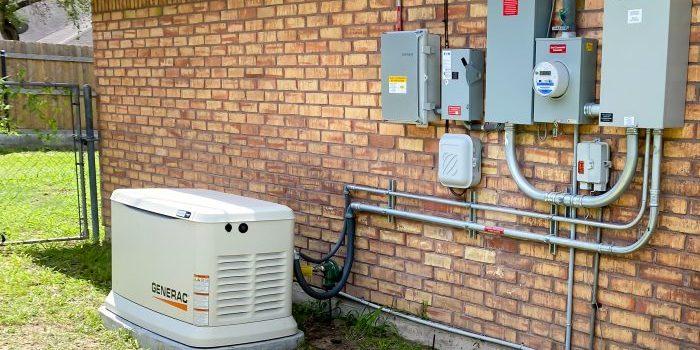
Power outages can turn a normal day into a stressful one very fast. Lights go out. Food spoils. Phones die. This guide shows you, step by step, how backup generator installation works and what homeowners should know before starting. You will learn how to plan, choose, install, and use a generator safely, so your home stays bright, calm, and protected when the power fails.
A backup generator is not just about comfort. It is about safety and peace of mind. When storms hit or lines fail, a generator keeps your home running. This guide breaks everything down in easy words, so anyone can understand it and feel confident moving forward.
Why Backup Power Matters More Than Ever
Power cuts happen more often than people expect. Weather is stronger now. Grids are older. One long outage can cause big problems at home. This is why backup generator installation is becoming a smart choice for many homeowners.
Think about medical devices, heating, cooling, and food storage. These things matter every day. A generator gives you control when the power company cannot and protects your home from sudden stops and big losses. Once you see the value, the next step feels natural.
Understanding What a Backup Generator Does
A backup generator makes electricity when your main power is gone. It sends power to your home so key systems keep working. Some generators turn on by hand. Others start on their own within seconds.
This simple idea brings big comfort. You do not need to rush for candles or worry about the fridge. Knowing how it works helps you choose the right system later.
Types of Backup Generators for Homes
There are two main types of home generators. Portable generators are smaller and cost less. They need manual setup and fuel refills. They are best for short outages.
Standby generators are larger and fixed in place. They turn on automatically and can power most or all of your home. They cost more, but they offer full protection. Knowing the difference helps you plan smart.
Choosing the Right Generator Size
Size matters when it comes to generators. Too small, and it will not run what you need. Too big, and you waste money. Start by listing what you want to power during an outage.
Most homes focus on lights, fridge, heat, and internet. Some want full-house power. A professional can help calculate the right size so your system works smoothly and safely.
Fuel Options You Should Know About
Generators use different fuels. Common options include natural gas, propane, and diesel. Each has pros and cons. Natural gas is clean and steady. Propane stores well. Diesel is strong but louder.
Fuel choice affects cost, safety, and upkeep. Picking the right one makes daily use easier and long-term care simpler. This step is often overlooked but very important.
Planning Before Installation Starts
Good planning makes everything easier. First, check local rules and permits. Many areas require approval before installation. Skipping this can cause delays or fines.
Next, decide where the generator will sit. It must be outside, away from windows, and well-ventilated. Planning ahead avoids mistakes and keeps your home safe.
Why Professional Installation Is Important
Installing a generator is not a DIY job. It connects to fuel lines and your home’s electrical system. One mistake can cause damage or danger.
This is why many homeowners choose professional backup generator installation services. Experts handle wiring, safety checks, and testing. This protects your home and your family.
Preparing the Site
The first step is site prep. The ground must be level and strong. A concrete pad is often used to hold the generator steady.
Clear space around the unit is also needed for airflow and service access. This step sets the foundation for everything that comes next.
Installing the Generator Unit
Next, the generator is placed on the prepared pad. It is secured so it does not move or shake. This keeps noise low and parts safe.
Once in place, the unit is ready for connections. Seeing the generator installed makes the project feel real and exciting.
Connecting the Fuel Supply
Fuel lines are connected carefully and tested for leaks. Safety is the top priority here. Even small errors can cause big risks.
This step ensures your generator has steady fuel when it is needed most. A safe fuel connection means reliable power during every outage.
Electrical Connections and Transfer Switch
The transfer switch is a key part of the system. It tells the generator when to turn on and off. It also protects utility workers by stopping back-feed.
Wires are connected to your home’s panel with care. Once done right, power shifts smoothly during outages without effort from you.
Testing the System
Testing makes sure everything works. The installer simulates a power outage to see how the generator responds.
This step builds trust in the system. When the lights stay on during the test, you know your home is ready for real outages.
Safety Tips Every Homeowner Should Follow
Generators must never run indoors. Carbon monoxide is dangerous and invisible. Always keep units outside and vents clear.
Regular checks help avoid problems. Simple safety habits protect your home and give you confidence every time the system runs.
Maintenance Keeps Your Generator Ready
A generator needs care, just like a car. Oil changes, battery checks, and test runs keep it healthy.
Most systems are checked once or twice a year. Regular care means your generator will work when you need it most.
Common Mistakes to Avoid
Some homeowners buy the wrong size generator. Others skip permits or hire untrained installers. These mistakes cause stress later.
Learning from others saves time and money. A little planning prevents big regrets down the road.
How Backup Power Adds Home Value
A backup generator can raise home value. Buyers like homes that stay powered during outages. It shows care and smart planning.
This upgrade is not just for today. It adds long-term value and appeal to your property.
Is a Backup Generator Worth It?
For many homeowners, the answer is yes. Power outages are unpredictable, but your response does not have to be.
A generator brings comfort, safety, and control. Once installed, most people say they wish they had done it sooner.
Final Thoughts
Backup generator installation is a smart step toward a safer home. With the right plan, the right size, and expert help, the process is smooth and rewarding.
If you are considering a reliable solution, companies like bnr-electric.com specialize in professional generator services designed to keep homes powered and protected.
FAQs
How long does backup generator installation take?
Most installations take one to two days, depending on the system size and site needs.
Can a generator power my whole house?
Yes, a properly sized standby generator can run most or all home systems.
How often should a generator be serviced?
Most generators should be checked once or twice a year to stay reliable.

 English
 Arabic
 French
 Spanish
 Portuguese
 Deutsch
 Turkish
 Dutch
Dutch
 Italiano
 Romaian
 Portuguese (Brazil)
 Greek
Greek