
Early Warning Signs of Sickle Cell Disease in Children and Adults
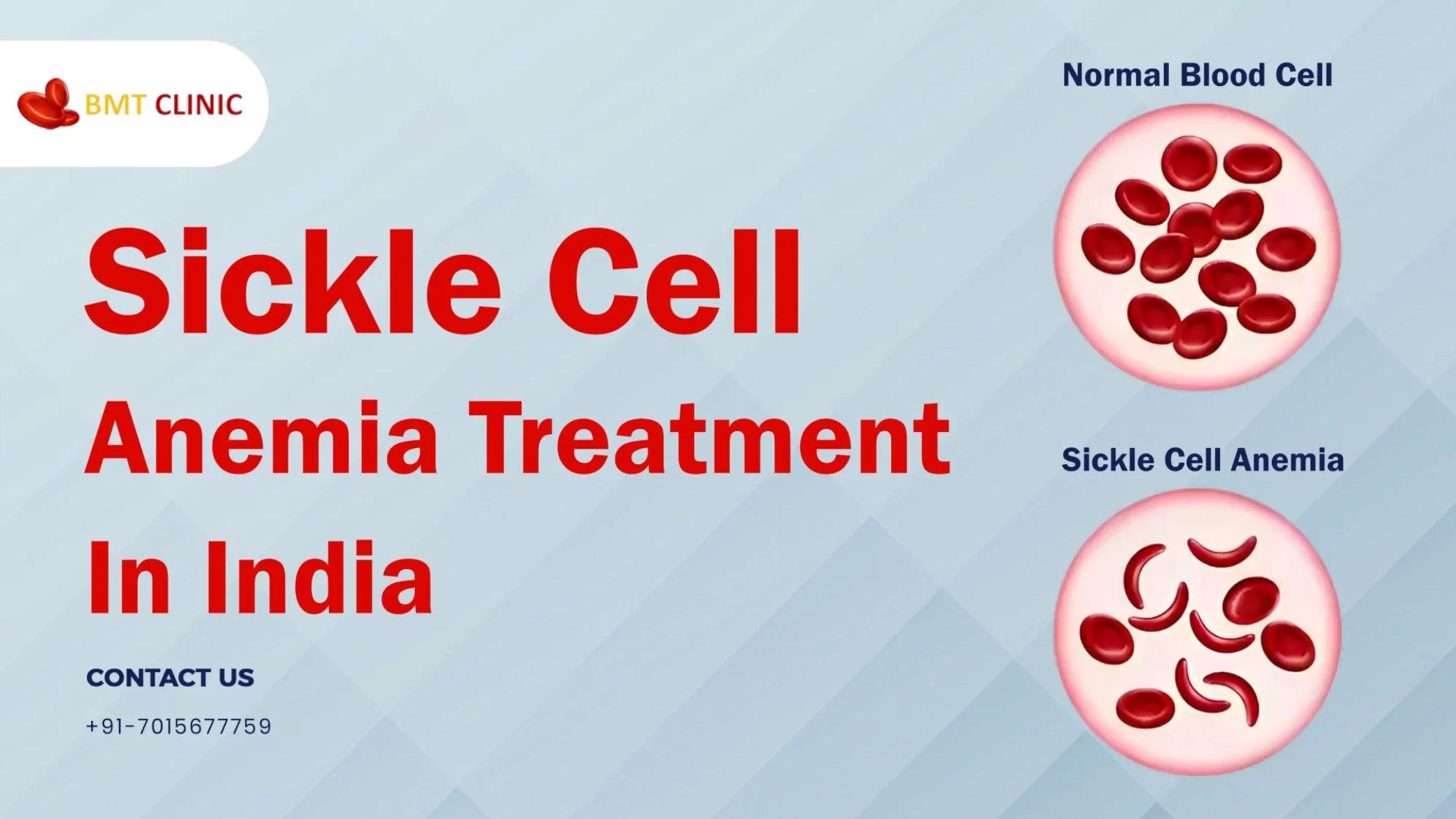
Sickle Cell Disease is a genetic blood disorder that affects the shape and function of red blood cells. Instead of being round and flexible, the red blood cells become sickle-shaped (like a crescent moon). These abnormal cells can block blood flow, causing pain and other serious health problems.
Recognizing the early warning signs is very important. Early diagnosis allows timely treatment, better symptom control, and improved quality of life for both children and adults.
Early Signs in Babies and Young Children
Symptoms often appear within the first few months of life. Some early signs parents should watch for include:
1. Swelling in Hands and Feet
This is often one of the first symptoms. The swelling, also called dactylitis, happens because sickle-shaped cells block blood flow in small blood vessels.
2. Frequent Infections
Children with sickle cell disease are more prone to infections, especially pneumonia and other bacterial infections. This happens because the spleen does not function properly.
3. Pale Skin or Jaundice
Anemia develops when red blood cells break down faster than normal. This can cause:
-
Pale skin
-
Yellowing of the eyes (jaundice)
-
Fatigue or weakness
4. Delayed Growth
Some children may grow more slowly than others due to reduced oxygen supply in the body.
Early Signs in Teenagers and Adults
In some cases, symptoms become more noticeable during adolescence or adulthood.
1. Recurrent Pain Episodes (Pain Crisis)
Sudden episodes of severe pain—commonly in the chest, joints, back, or legs—are a hallmark symptom. These episodes can last from hours to days.
2. Chronic Fatigue
Because of ongoing anemia, adults often feel tired even after rest.
3. Shortness of Breath
Low oxygen levels can cause breathing difficulty during physical activity.
4. Vision Problems
Blocked blood vessels in the eyes may lead to blurred vision or other eye complications.
5. Delayed Puberty
Teenagers may experience delayed sexual development due to long-term anemia.
When to See a Doctor
Seek immediate medical attention if you notice:
-
High fever
-
Severe chest pain
-
Difficulty breathing
-
Sudden weakness
-
Severe abdominal pain
Early diagnosis through blood tests and newborn screening plays a key role in preventing complications.
Why Early Detection Matters
The earlier the disease is identified, the sooner doctors can start preventive care such as:
-
Vaccinations
-
Antibiotics (for children)
-
Pain management plans
-
Medications like hydroxyurea
-
Regular health monitoring
Families often explore treatment options and long-term planning, including understanding aspects such as Sickle cell anemia treatment cost in India when considering advanced therapies or specialized care.
Living with Sickle Cell Disease
With proper treatment and lifestyle management, many people with sickle cell disease live productive lives. Important steps include:
-
Staying hydrated
-
Avoiding extreme temperatures
-
Eating a balanced diet
-
Taking prescribed medications regularly
-
Attending routine check-ups
Emotional and mental health support is also essential, especially for children coping with chronic illness.
Also know: Best Hemato-Oncologist In India
Final Thoughts
Sickle cell disease is a lifelong condition, but recognizing the early warning signs can make a big difference. Parents, teenagers, and adults should never ignore unusual symptoms like repeated pain, fatigue, or swelling. With early diagnosis, proper medical care, and consistent monitoring, complications can be reduced and quality of life significantly improved.

 English
 Arabic
 French
 Spanish
 Portuguese
 Deutsch
 Turkish
 Dutch
Dutch
 Italiano
 Romaian
 Portuguese (Brazil)
 Greek
Greek