
Precision in Motion: The Rise of Intelligent Logistics Companies
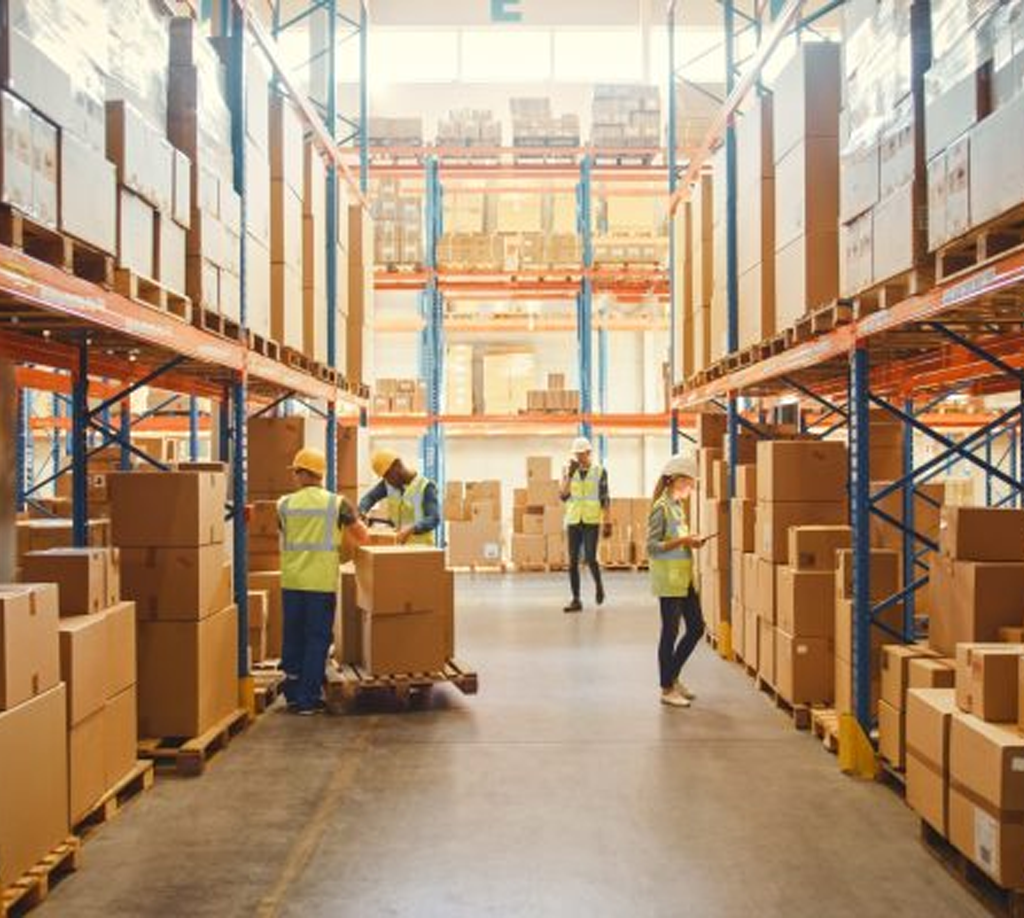
For decades, the logistics industry was defined by brute force: heavy trucks, expansive warehouses, and a sprawling, often chaotic network of human manual labor. It was a sector characterized by "best guesses" and reactive firefighting. If a shipment was delayed, you found out when the phone rang. If a warehouse overflowed, you rented more space.
But the narrative has shifted. Today, the global supply chain is undergoing a seismic transformation. We are moving away from the era of "brute force logistics" and into the age of "Precision in Motion." The rise of intelligent logistics companies—those leveraging AI, IoT, and real-time data—is not just an upgrade to the industry; it is a fundamental rewriting of how the world moves.
The Catalyst: Why Intelligence Became Mandatory
The demand for "intelligent" logistics didn't emerge in a vacuum. It was driven by three converging pressures: the "Amazon Effect," global volatility, and the quest for sustainability.
Consumers now expect hyper-fast, transparent, and frictionless delivery. Meanwhile, the global landscape has become increasingly fragile, with supply chains prone to disruption from geopolitical instability, climate events, and labor shortages. Finally, companies are under immense pressure to reduce their carbon footprint—a goal that is mathematically impossible to achieve without optimized routing and efficient load management.
In this environment, a logistics company that isn't intelligent is, by definition, obsolete. Precision is no longer a luxury; it is the baseline requirement for survival.
The Pillars of Intelligence: How It Works
So, what does an "intelligent" logistics company actually look like? It is built on three pillars that turn raw data into actionable movement.
1. Visibility: From "Where is it?" to "What is happening?"
Traditional logistics provided snapshots: the package is at Port A, now it is at Distribution Center B. Intelligent logistics provides a high-definition, live-streamed narrative. Through IoT sensors, companies can track not just location, but temperature, humidity, vibration, and shock. If a shipment of pharmaceuticals is exposed to a heat spike, the system doesn't just record it—it triggers a proactive alert before the medication is spoiled. This is visibility that turns passive reporting into proactive management.
2. Predictive Analytics: Seeing Around Corners
The greatest flaw in legacy logistics was its reactive nature. Intelligent logistics platforms use machine learning to predict disruptions before they occur. By analyzing weather patterns, traffic congestion, port labor data, and historical trends, these systems can suggest route adjustments hours or even days in advance. Instead of reacting to a bottleneck, the intelligent enterprise avoids it entirely.
3. Autonomous Optimization: The Digital Brain
The most advanced companies are moving toward "autonomous logistics." This doesn’t just mean self-driving trucks; it means automated decision-making. AI-driven Warehouse Management Systems (WMS) now orchestrate robots to pick and pack items in the most efficient sequence. Transportation Management Systems (TMS) dynamically re-calculate routes to ensure trucks are never traveling empty (a concept known as "truckload consolidation"). This digital brain operates 24/7, making thousands of micro-decisions every hour that a human planner simply couldn't process at scale.
The Human Element: Augmentation, Not Replacement
A common misconception is that intelligent logistics is about removing the human from the equation. The reality is quite the opposite. Intelligence is about augmentation.
When a system handles the mundane tasks—tracking, basic scheduling, and route optimization—it frees human logistics professionals to handle the complex, high-stakes scenarios: relationship management, strategic planning, and crisis navigation. The rise of the intelligent logistics company is not a race to replace the human workforce; it is a race to elevate it. We are shifting from a workforce of data-entry clerks to a workforce of data-driven strategists.
The Competitive Edge: Speed, Cost, and Sustainability
Why should businesses invest in or partner with these intelligent firms? The benefits are tangible:
- Cost Efficiency: By eliminating inefficiencies like "empty miles" (trucks driving without cargo) and optimizing warehouse space, companies drastically reduce their bottom line.
- Customer Loyalty: Transparency is the new currency of trust. When a customer can see exactly where their order is and trust that the projected arrival time is accurate, their loyalty to that brand grows.
- Decarbonization: Precision is the precursor to sustainability. You cannot reduce emissions if you don't know exactly how much fuel is being wasted by inefficient routing. Intelligence allows companies to shrink their environmental footprint through smarter, leaner operations.
The Road Ahead: Challenges and Opportunities
The transition to intelligent logistics is not without hurdles. Data silos remain a major issue; many companies operate with legacy systems that cannot "talk" to one another. Furthermore, as logistics becomes increasingly digital, cybersecurity becomes a critical priority. Protecting the data that moves the world is just as important as the physical goods themselves.
However, the trajectory is clear. We are witnessing the birth of the "Supply Chain 5.0." This is a world where Logistics Companies in Miami act less like trucking firms and more like tech-enabled orchestration platforms.
Final Thoughts: The Future is Fluid
The concept of "Precision in Motion" is the new mandate for the global economy. As we look at the logistics landscape of the next decade, the winners will not be the companies with the most trucks or the largest warehouses. The winners will be the companies that treat data as their most valuable asset.
The intelligent logistics company of tomorrow is agile, transparent, and predictive. It turns the inherent chaos of global trade into a symphony of calculated, efficient, and precise movements. For businesses looking to scale in an unpredictable world, the choice is simple: integrate the intelligence, or get left behind in the static of the old way of doing things.

 English
 Arabic
 French
 Spanish
 Portuguese
 Turkish
 Dutch
Dutch
 Italiano
 Russian
 Romaian
 Portuguese (Brazil)
 Greek
Greek