
What Is Machinery Towing and Why Is It Essential for Heavy Equipment Transport?
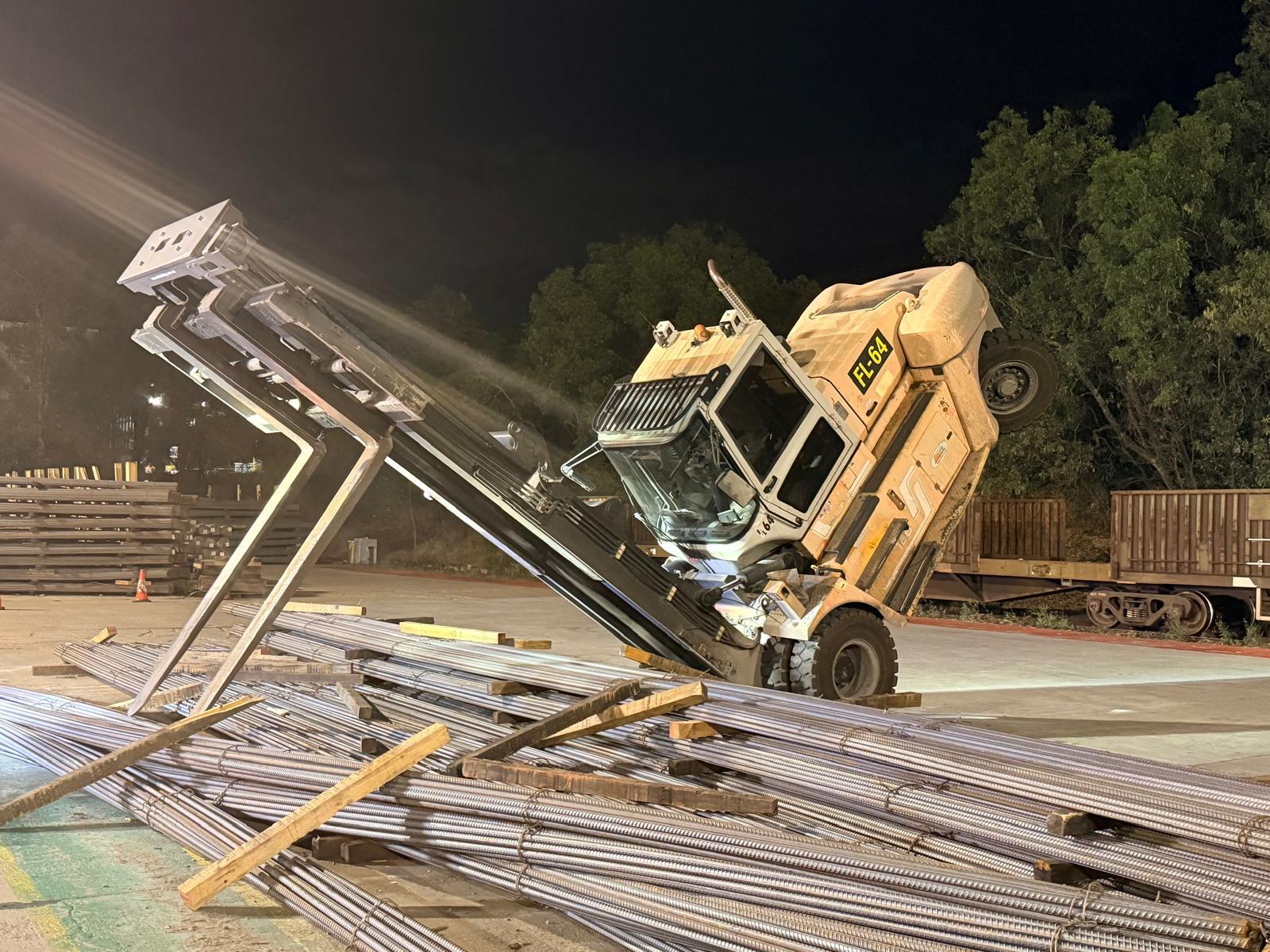
Moving heavy equipment isn’t like transporting a standard vehicle. It requires specialised knowledge, powerful equipment, and careful planning to ensure safety and efficiency. That’s where machinery towing comes into play. Whether it’s construction equipment, industrial machines, or agricultural vehicles, professional towing services ensure that heavy assets are transported securely from one location to another.
In this article, we’ll explore what machinery towing involves, its importance, how it works, and why choosing the right provider makes a significant difference.
What Does Machinery Towing Involve?
Machinery towing refers to the transportation of heavy, oversized, or non-operational equipment using specialised towing vehicles and trailers. Unlike regular towing, it focuses on handling large-scale machinery that requires extra care and precision.
Common equipment transported includes:
-
Excavators and bulldozers
-
Forklifts and cranes
-
Agricultural machinery
-
Industrial equipment
These machines are often too large or heavy to be driven on public roads, making towing the safest and most practical solution.
Why Is Machinery Towing Important?
Transporting heavy machinery without professional assistance can be risky and inefficient. Machinery towing ensures that equipment is moved safely while minimising the risk of damage or accidents.
Key reasons why it is essential:
-
Protects valuable equipment during transport
-
Ensures compliance with road safety regulations
-
Reduces downtime for businesses
-
Provides efficient and timely delivery
For industries that rely on heavy equipment, reliable towing services are critical to maintaining operations.
How Does Machinery Towing Work?
The process of machinery towing involves several steps to ensure safe and efficient transport.
1. Assessment of Equipment
The towing company evaluates the size, weight, and type of machinery to determine the best transport method.
2. Choosing the Right Equipment
Specialised trailers such as low loaders or flatbeds are selected based on the machinery requirements.
3. Loading the Machinery
Hydraulic systems or ramps are used to safely load the equipment onto the trailer.
4. Securing the Load
Heavy-duty chains and straps are used to secure the machinery and prevent movement during transit.
5. Transportation and Delivery
The equipment is transported to the destination while following planned routes and safety guidelines.
Types of Machinery Towing Services
Different situations require different towing solutions. Understanding the types of services available helps businesses choose the right option.
Emergency Machinery Towing
Used when equipment breaks down or needs immediate relocation.
Scheduled Transport
Planned towing for construction projects or equipment relocation.
Long-Distance Towing
Transporting machinery across cities or regions.
Heavy-Duty Towing
Handling extremely large or heavy equipment with specialised vehicles.
Each service is tailored to meet specific operational needs.
Equipment Used in Machinery Towing
Professional towing companies use advanced equipment to ensure safe and efficient transport.
Common equipment includes:
-
Low-loader trailers for tall machinery
-
Flatbed trucks for stable transport
-
Multi-axle trailers for weight distribution
-
Hydraulic lifting systems for easy loading
These tools are designed to handle heavy loads while maintaining stability and safety.
Safety Measures in Machinery Towing
Safety is a top priority in machinery towing operations. Proper precautions are taken to protect both the equipment and the public.
Important safety measures include:
-
Load balancing and secure fastening
-
Use of escort vehicles for oversized loads
-
Compliance with transport regulations
-
Regular equipment inspections
Following these measures reduces risks and ensures smooth operations.
Industries That Rely on Machinery Towing
Many industries depend on machinery towing for their daily operations.
Construction
Transporting heavy equipment between job sites.
Agriculture
Moving tractors and farming machinery.
Mining
Relocating large mining equipment.
Manufacturing
Transporting industrial machines and components.
These industries rely on efficient transport to maintain productivity.
Benefits of Professional Machinery Towing
Hiring professional services offers several advantages.
1. Expertise
Experienced operators handle equipment safely and efficiently.
2. Time Efficiency
Quick and organised transport reduces downtime.
3. Cost Savings
Prevents damage and avoids costly repairs.
4. Compliance
Ensures adherence to legal and safety regulations.
5. Reliability
Provides peace of mind with dependable service.
Choosing the Right Machinery Towing Provider
Selecting the right towing company is crucial for successful transport.
Consider the following factors:
-
Experience and reputation
-
Availability of specialised equipment
-
Safety standards and certifications
-
Customer reviews and feedback
-
Transparent pricing
Delta Heavy Towing is a trusted provider known for delivering professional and efficient towing solutions. With advanced equipment and skilled operators, they ensure safe transport of heavy machinery across various industries.
Challenges in Machinery Towing
Despite its benefits, machinery towing comes with challenges that require careful management.
Common challenges include:
-
Navigating narrow or restricted roads
-
Handling extreme weather conditions
-
Managing oversized loads
-
Ensuring proper permits and approvals
Experienced providers use strategic planning to overcome these challenges effectively.
The Future of Machinery Towing
The towing industry is evolving with advancements in technology and equipment.
Emerging trends include:
-
GPS tracking for real-time monitoring
-
Improved safety systems
-
Eco-friendly transport solutions
-
Automation in logistics planning
These innovations are making machinery towing more efficient and reliable.
Conclusion
Machinery towing is a vital service for industries that rely on heavy equipment. From ensuring safe transport to reducing downtime, it plays a key role in maintaining productivity and efficiency.
By understanding how the process works and choosing a reliable provider like Delta Heavy Towing, businesses can ensure their equipment is transported safely and efficiently. With the right expertise and equipment, even the most complex transport challenges can be handled with ease.
FAQs
1. What is machinery towing?
Machinery towing involves transporting heavy equipment using specialised towing vehicles and trailers.
2. What types of machinery can be towed?
Excavators, forklifts, cranes, tractors, and industrial machines can all be transported using towing services.
3. Is machinery towing safe?
Yes, when performed by professionals using proper equipment and safety measures, it is highly safe.
4. Do I need permits for machinery towing?
Yes, oversized loads often require permits and route approvals depending on local regulations.
5. Why choose Delta Heavy Towing?
Delta Heavy Towing offers reliable, safe, and professional towing services with experienced operators and modern equipment.

 English
 Arabic
 French
 Spanish
 Portuguese
 Deutsch
 Turkish
 Dutch
Dutch
 Russian
 Romaian
 Portuguese (Brazil)
 Greek
Greek