
Common Leaf Relief Gutter Cleaning Problems Homeowners Should Know
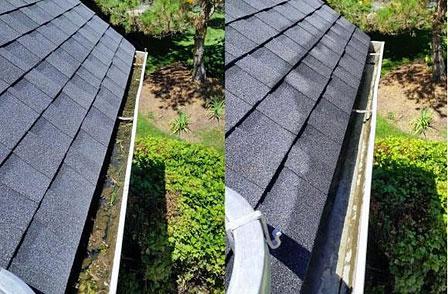
Gutters may look simple, but they protect your entire home from water damage. When gutters fail, problems can spread fast—into your roof, walls, and foundation. Many homeowners try leaf relief gutter systems to reduce cleaning, yet problems still happen. In this guide, you’ll learn the most common leaf-related gutter cleaning issues, why they occur, and how to spot them early so small problems never become costly repairs.
One of the biggest mistakes homeowners make is believing gutters are “set and forget.” Even systems designed to block leaves still need attention. Knowing what can go wrong helps you act before damage begins. Let’s start with the most common and most misunderstood problem.
Leaves Still Get In—Just in Smaller Pieces
Many people expect leaf-blocking systems to stop all debris completely. In reality, leaves often break into smaller pieces that slip through gaps or screens. These tiny fragments settle inside the gutter and slowly build up. Because the clog forms gradually, water flow weakens without obvious warning.
This problem is sneaky because gutters may look clean from above. The real trouble hides underneath, where debris collects out of sight. Over time, even small buildup can block water and cause overflow during heavy rain.
Pollen and Seed Buildup Is Often Overlooked
Leaves are not the only threat to gutters. Pollen, seeds, and fine dust are small enough to pass through most gutter covers. Once inside, these particles stick together, especially when mixed with moisture. The result is a thick, muddy layer that clings to the gutter bottom.
This type of buildup often goes unnoticed until water stops draining properly. By the time the problem is visible, water may already be spilling near the foundation. That’s why routine checks are still important, even with protective systems.
Standing Water Becomes a Silent Danger
When debris blocks water flow, gutters hold water longer than they should. Standing water creates multiple problems at once. It adds weight to the gutter system and stresses fasteners and joints. It also attracts insects that thrive in damp environments.
Even worse, standing water speeds up rust and corrosion in metal gutters. Over time, this weakens the structure and shortens the gutter’s lifespan. A problem that started with leaves can end with full gutter replacement if ignored.
Gutters Can Sag Under Hidden Weight
Clogged gutters don’t just affect water flow—they affect structure. Wet leaves and debris become heavy, especially after rain. That weight pulls gutters away from the roofline, causing sagging or bending.
Sagging gutters create low spots where even more debris collects. This creates a cycle where the problem keeps getting worse. If you notice gutters dipping or pulling away, it’s often a sign of internal blockage, not just loose hardware.
Overflow Causes Damage You Can’t See Right Away
When gutters overflow, water doesn’t always pour straight down where you can see it. Instead, it can run behind the gutter and soak into fascia boards. Over time, wood begins to rot, paint peels, and mold can grow.
This damage often stays hidden until repairs become expensive. Many homeowners only notice the issue when boards feel soft or stains appear inside the home. Preventing overflow early saves far more than fixing rot later.
Downspouts Are Commonly Ignored Trouble Spots
Even if the gutter channel looks clear, downspouts may be blocked. Small debris travels through the gutter and settles at bends in the downspout. Water then backs up, causing overflow at the roofline.
Downspout clogs are tricky because they don’t show from above. If water pours out near the top during rain, a hidden blockage is likely. Regular checks help ensure water exits safely away from your home.
Roof Valleys Send Extra Debris Into Gutters
Roof valleys funnel large amounts of leaves, needles, and water into one gutter section. This concentrated flow overwhelms gutter protection systems faster than other areas.
Because valleys feed debris into the same spot repeatedly, clogs form faster there. Paying special attention to these areas helps prevent sudden backups during storms.
Ice and Debris Create Winter Problems
In colder months, trapped debris holds water that can freeze. Ice expands and puts pressure on gutter walls and seams. This can cause cracks or force gutters out of alignment.
Frozen clogs also prevent melting snow from draining properly. Water then backs up under shingles, increasing the risk of roof leaks. Clean gutters before winter reduce this risk significantly.
Improper Installation Makes Problems Worse
Even the best gutter system fails if installed incorrectly. Covers installed at the wrong angle or with gaps allow debris inside while blocking water flow. Poor alignment also causes water to shoot over the gutter during heavy rain.
Installation quality matters as much as the product itself. If gutters don’t handle rain smoothly, debris problems grow faster and maintenance becomes more frequent.
Small Animals Find Clogged Gutters Inviting
Leaves and standing water attract birds, insects, and small animals. Nests can form inside gutters, blocking water completely. Once animals move in, damage escalates quickly.
Animal activity often goes unnoticed until water overflows or noises are heard. Keeping gutters clean removes the shelter animals seek and helps avoid this problem.
Mold and Mildew Love Moist Debris
Wet leaves and dirt create the perfect environment for mold and mildew. Spores can spread to siding, roofing, and even indoor air spaces. This affects both home structure and air quality.
Cleaning gutters reduces moisture buildup and lowers the risk of mold growth. It’s a simple step that protects both health and property.
False Sense of “Maintenance-Free” Security
One of the biggest problems is mindset. Many homeowners believe gutter protection means zero maintenance. This belief leads to years of neglect.
Even advanced systems benefit from periodic checks. Spotting small issues early prevents major damage later. Maintenance doesn’t mean constant cleaning—it means awareness.
When Leaf Relief Systems Still Need Care
Even systems marketed as advanced, including leaf relief gutter cleaning, can’t stop every type of debris. Fine particles, roof grit, and seed pods still make their way in over time.
Understanding this reality helps homeowners plan simple inspections instead of assuming total protection. A little attention goes a long way in keeping gutters working properly.
Early Warning Signs Homeowners Should Watch
Water spilling during rain, sagging gutters, visible stains, or plant growth are all warning signs. These signals mean something inside the gutter isn’t right.
Responding early prevents water from reaching vulnerable parts of your home. Ignoring signs allows damage to grow quietly.
Simple Habits That Prevent Big Problems
Checking gutters after heavy storms, trimming nearby trees, and ensuring downspouts drain properly all help reduce issues. These habits take little time but offer big protection.
Home care is about consistency, not complexity. Small steps keep systems working longer and better.
Why Professional Insight Matters
Some gutter problems aren’t easy to spot from the ground. Professionals know where clogs hide and how water should flow properly. Their experience helps catch issues before damage appears.
A trained eye can often solve problems in minutes that homeowners might miss for years.
Long-Term Protection Starts With Awareness
Understanding how leaf-related gutter problems form empowers homeowners. Instead of reacting to damage, you stay ahead of it.
Knowledge is the best tool for protecting your home from water-related issues.
Final Thoughts
Gutter problems rarely start big. They begin with small debris, slow drainage, and missed signs. Over time, those small issues grow into serious damage.
Homeowners who stay informed and attentive protect their homes more effectively. For professional guidance and reliable service, Citywide Custom Gutter, LLC continues to help homeowners maintain strong, dependable gutter systems through experience and care.
FAQs
Q1. Do leaf-blocking gutter systems eliminate cleaning completely?
No. They reduce large debris but still allow small particles like pollen and seeds to enter. Occasional checks are still needed.
Q2. How often should gutters be inspected if they have protection installed?
At least once or twice a year, and after major storms. This helps catch hidden clogs early.
Q3. What is the biggest risk of ignoring minor gutter clogs?
Water damage. Small blockages can lead to overflow, wood rot, mold, and foundation issues over time.

 English
 Arabic
 French
 Spanish
 Portuguese
 Deutsch
 Dutch
Dutch
 Italiano
 Russian
 Romaian
 Portuguese (Brazil)
 Greek
Greek