
Oil Tank Truck vs Fuel Tanker: What’s the Real Difference?
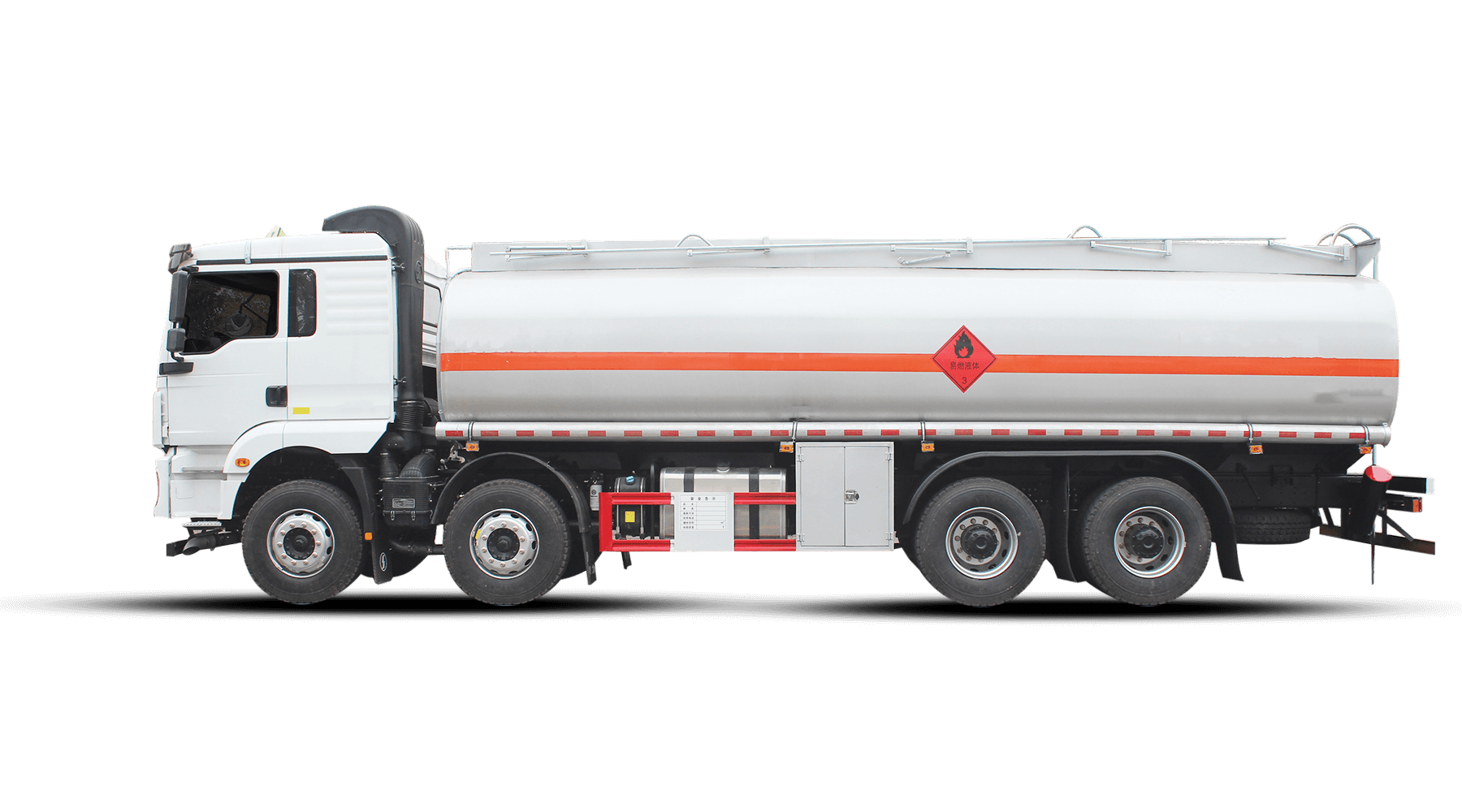
When people hear the words oil tank truck and fuel tanker, they often think they mean the same thing—but they don’t. While both vehicles carry liquids, they serve different jobs, follow different safety rules, and are used in different industries. In this guide, you’ll quickly learn what sets them apart, why the difference matters, and how choosing the right one keeps people, roads, and the environment safe. By the end, you’ll clearly understand which truck does what—and why that matters in real life.
Understanding the Basics (Why Names Matter)
At first glance, both trucks look similar: big, heavy vehicles with large tanks. That’s where confusion begins. The name of each truck tells you what it carries and how it’s used. This small difference in words leads to big differences in design, safety, and purpose—and knowing that difference helps businesses avoid costly mistakes.
What Is an Oil Tank Truck?
An oil tank truck is built to carry non-flammable oils. These oils are often thick and heavy, like used motor oil, hydraulic oil, or lubricants from factories and workshops. Because these liquids don’t ignite easily, the truck focuses more on handling weight and viscosity than fire prevention.
One key thing to remember: oil tank trucks are all about collection and transport, not fueling engines. This simple fact explains most of their design choices.
Where Oil Tank Trucks Are Commonly Used
You’ll often see oil tank trucks working behind the scenes. They visit auto shops, factories, construction sites, and industrial plants. Their job is to safely move waste oil or service oil from one place to another. This keeps work sites clean and helps oils get recycled or disposed of properly—an unseen but very important task.
What Is a Fuel Tanker?
A fuel tanker is designed to carry flammable fuels like gasoline, diesel, or jet fuel. Because these liquids can catch fire or explode, fuel tankers are built with extreme safety in mind. Every part of the vehicle is meant to reduce risk, even in accidents.
Where Fuel Tankers Are Used
Fuel tankers are everywhere you look: highways, gas stations, airports, and farms. Any place that needs fuel delivered relies on these trucks. Their role is critical because modern life depends on steady fuel supply—and one mistake can have serious results.
Key Difference : Type of Liquid Carried
This is the most important difference and the easiest to remember:
-
Oil tank trucks carry non-flammable oils
-
Fuel tankers carry flammable fuels
This single difference shapes everything else, from safety rules to truck design. Once you understand this, the rest becomes much clearer.
Key Difference : Safety Design
Because fuel tankers carry dangerous liquids, they include advanced safety features. These often include pressure relief valves, emergency shut-off systems, and special grounding to prevent sparks. Even the tank shape helps reduce fuel movement inside.
Oil tank trucks still follow safety rules, but they don’t need the same fire-prevention systems. This makes them simpler and often easier to operate.
Key Difference : Tank Construction
Oil tank trucks usually have single-compartment tanks because oil doesn’t need separation. Fuel tankers often have multiple compartments, allowing them to carry different fuels at the same time without mixing. This smart design improves efficiency while keeping each fuel type safe.
Key Difference : Regulations and Training
Fuel tanker drivers must follow very strict transport laws. They need special licenses and training because they are handling hazardous materials. Regular inspections are also required to ensure safety systems work perfectly.
Oil tank truck drivers still need training, but the rules are generally less strict. This difference affects operating costs and scheduling for businesses.
Why Using the Wrong Truck Is a Big Problem
Using the wrong type of truck isn’t just inefficient—it can be dangerous. Carrying fuel in a truck not designed for flammable liquids increases the risk of leaks, fires, or explosions. On the other hand, using a fuel tanker for oil transport is costly and unnecessary.
Environmental Impact: A Hidden Difference
Oil tank trucks often support recycling. Many collect used oil so it can be cleaned and reused. This helps reduce waste and protect the environment. Fuel tankers, while essential, pose higher environmental risks if accidents happen due to spills or fires.
Maintenance and Operating Costs
Fuel tankers usually cost more to maintain. Their safety systems require frequent checks, and repairs must meet strict standards. Oil tank trucks are generally cheaper to maintain because they have fewer complex safety parts.
How to Choose the Right Truck for Your Needs
If your job involves collecting or moving oil, an oil tank truck is the right tool. If your work is about delivering fuel to engines or tanks, you need a fuel tanker. Matching the truck to the task ensures safety, efficiency, and peace of mind.
A simple rule: oil for oil trucks, fuel for fuel tankers.
Why People Still Get Confused
The confusion comes from appearance and language. Both trucks are large, both carry liquids, and both are sometimes called “tankers” in casual talk. But in professional use, the difference is clear—and very important.
Knowing the correct term helps you sound informed and make smarter decisions.
Real-World Tip You Can Use Today
Next time you see one of these trucks on the road, look closely. Fuel tankers often have warning signs and labels. Oil tank trucks usually don’t. This small observation can help you quickly tell them apart—and remember the difference forever.
Final Thoughts
Understanding the difference between an oil tank truck and a fuel tanker isn’t just about words. It’s about safety, cost, and responsibility. Each vehicle is designed for a specific purpose, and using them correctly keeps industries running smoothly and communities safe.
FAQs
Q1. Can an oil tank truck carry fuel in an emergency?
No. Oil tank trucks are not built with the safety systems needed for flammable fuels, making this very unsafe and often illegal.
Q2. Why do fuel tankers have multiple compartments?
They allow different fuel types to be carried at the same time without mixing, improving efficiency and safety.
Q3. Which truck needs more driver training?
Fuel tankers require more training because they transport hazardous, flammable materials.

 English
 Arabic
 French
 Spanish
 Portuguese
 Deutsch
 Turkish
 Dutch
Dutch
 Italiano
 Russian
 Portuguese (Brazil)
 Greek
Greek