
How to Apply OSHA Electrical Safety Standards for Maximum Workplace Protection
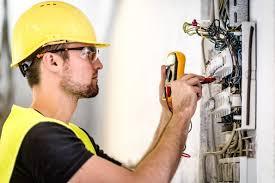
Electrical systems are the backbone of nearly every modern workplace, from manufacturing units to office buildings. Yet, they also present one of the most serious hazards when safety practices are ignored. A single fault in wiring, an overloaded circuit, or improper handling of equipment can lead to shocks, burns, or even fatal accidents. This is why organizations across industries prioritize structured electrical safety systems that protect both workers and infrastructure.
Understanding how to apply safety regulations effectively is not just a compliance requirement but a life-saving necessity. Many professionals today start their learning journey through an OSHA Course Online, which helps them build a strong foundation in workplace safety principles, including electrical hazard prevention and risk control strategies.
OSHA Electrical Safety Standards
The Occupational Safety and Health Administration (OSHA) has developed detailed guidelines to reduce workplace injuries related to electricity. These standards are designed to ensure that electrical systems are installed, operated, and maintained in a safe manner.
OSHA electrical safety standards primarily focus on preventing contact with energized parts, ensuring proper grounding, and maintaining safe working distances. They also emphasize employee training, hazard identification, and use of protective equipment.
At the core of these regulations is the principle of controlling energy before it causes harm. This includes procedures such as lockout and tagout systems, safe installation practices, and regular inspection of electrical tools and wiring.
For workers and safety officers, understanding these guidelines is not optional. It is a structured approach to ensuring that every electrical task is performed under controlled and monitored conditions.
Electrical Hazards in the Workplace
Before applying safety standards effectively, it is important to recognize where risks commonly appear. Electrical hazards are often silent until an accident occurs, which makes awareness critical.
1. Electrical Shock and Electrocution
One of the most dangerous risks is direct contact with live electrical parts. Even low voltage systems can cause severe injury depending on exposure conditions.
2. Arc Flash and Arc Blast
Arc flashes occur when electricity jumps through the air between conductors. This can release extreme heat and pressure, causing severe burns and damage.
3. Overloaded Circuits
When too many devices are connected to a single circuit, overheating can occur. This often leads to fire hazards and equipment failure.
4. Faulty Wiring and Equipment
Poor installation, aging wires, and damaged tools significantly increase the risk of accidents in the workplace.
5. Improper Use of Extension Cords
Temporary wiring solutions are often misused as permanent setups, which increases exposure to electrical faults.
Understanding these hazards allows safety professionals to design preventive strategies that align with OSHA standards.
How to Apply OSHA Electrical Safety Standards?
Applying OSHA guidelines effectively requires a structured and consistent approach. Below are practical steps that organizations can follow to improve electrical safety compliance.
Step 1: Conduct a Workplace Electrical Risk Assessment
The first step is identifying potential electrical hazards in the workplace. This includes inspecting wiring systems, machinery, outlets, and tools. A proper risk assessment helps determine which areas require immediate attention.
Step 2: Implement Lockout and Tagout Procedures
Lockout and tagout systems ensure that electrical equipment is fully de-energized before maintenance or repair work begins. This prevents accidental activation and protects workers from unexpected energy release.
Step 3: Use Proper Personal Protective Equipment (PPE)
Employees working with or near electrical systems must use insulated gloves, safety boots, face shields, and flame-resistant clothing. PPE acts as the last line of defense against electrical injuries.
Step 4: Ensure Proper Grounding and Circuit Protection
Grounding systems help redirect excess electrical current safely into the earth. Circuit breakers and fuses are equally important for preventing overloads and short circuits.
Step 5: Provide Regular Employee Training
Training is a critical requirement under OSHA standards. Workers must understand how to identify hazards, operate equipment safely, and respond during emergencies.
Step 6: Schedule Routine Inspections and Maintenance
Electrical systems should be inspected regularly to identify wear, damage, or potential failures. Preventive maintenance reduces unexpected breakdowns and enhances workplace safety.
Practices for Maximum Workplace Electrical Protection
Beyond compliance, organizations can adopt additional safety practices to create a stronger protection system.
1. Maintain Clear Work Zones
Electrical panels and high-voltage areas should always be clearly marked and restricted to authorized personnel only.
2. Avoid Overloading Power Systems
Distributing electrical load evenly across circuits reduces the risk of overheating and fire incidents.
3. Use Certified Electrical Equipment
Only approved and tested equipment should be used in workplace environments. Cheap or unverified tools can compromise safety.
4. Encourage a Safety Reporting Culture
Employees should feel comfortable reporting hazards without fear. Early reporting can prevent major accidents.
5. Label All Electrical Components Clearly
Clear labeling helps workers quickly identify switches, circuits, and emergency shutoff points during critical situations.
These best practices strengthen OSHA compliance and help build a safety-first workplace culture.
Training and Certification Pathways for Safety Professionals
Proper training plays a major role in applying electrical safety standards effectively. Many professionals pursue structured programs to understand regulations, hazard management, and workplace compliance systems.
A well-designed safety training program helps individuals learn not only theoretical concepts but also practical implementation techniques. It builds confidence in handling electrical systems safely and responding to emergency situations effectively.
Institutes offering safety education focus on real-world applications, including hazard identification exercises, simulation-based learning, and regulatory compliance training. These programs are especially useful for technicians, supervisors, and safety officers who manage electrical environments.
When selecting a learning pathway, it is important to choose programs that align with international safety standards and provide updated regulatory knowledge. This ensures that learners can apply their skills across different industries and job roles.
For many learners in the region, comparing training options often includes evaluating course structure, instructor expertise, and the OSHA Course Fee in Pakistan, which varies depending on institute quality, certification level, and training depth.
FAQs
What are OSHA electrical safety standards?
They are guidelines designed to reduce electrical hazards in workplaces by ensuring safe installation, maintenance, and operation of electrical systems.
Why is electrical safety training important?
It helps workers understand risks, use protective equipment correctly, and follow safe procedures to prevent accidents.
What is the purpose of lockout and tagout procedures?
These procedures ensure that electrical equipment is completely shut off before maintenance, preventing accidental energization.
Who should follow OSHA electrical safety rules?
Anyone working with or near electrical systems, including technicians, engineers, and safety supervisors, must follow these standards.
How often should electrical systems be inspected?
Inspection frequency depends on workplace conditions, but regular preventive checks are recommended to identify early risks.
Conclusion
Electrical safety is not just about compliance documents or workplace rules. It is a practical system designed to protect lives, equipment, and productivity. By understanding hazards, applying structured safety procedures, and maintaining consistent training, organizations can significantly reduce electrical risks.
OSHA standards provide a reliable framework for building safer workplaces, but their effectiveness depends on how well they are implemented on the ground. With proper awareness and disciplined execution, electrical accidents can be minimized and even prevented.
In the end, safety is not a one-time effort but a continuous responsibility shared by every member of the workplace.

 English
 Arabic
 French
 Spanish
 Portuguese
 Deutsch
 Turkish
 Dutch
Dutch
 Italiano
 Russian
 Romaian
 Greek
Greek