
Understanding Different Types of Home Injections
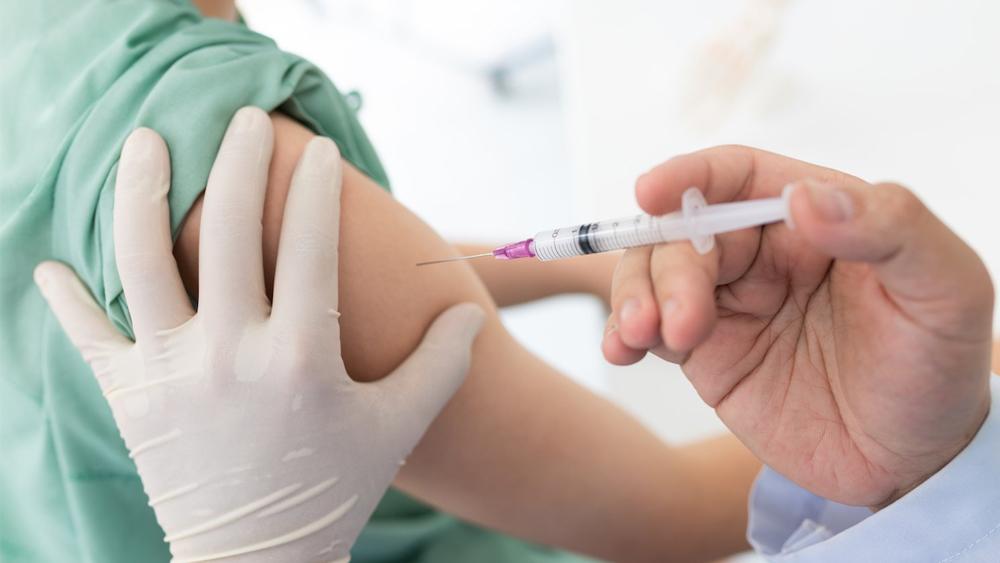
Home healthcare services are becoming increasingly popular for individuals who prefer receiving medical treatment in a comfortable and familiar environment. Many patients now rely on Injection at Home In Dubai services to manage ongoing treatments without frequent visits to clinics or hospitals. With support from a Doctor at Home, patients can safely receive different types of injections while maintaining convenience and privacy. Understanding the various types of home injections is important for improving treatment awareness, ensuring safe administration, and helping patients feel more confident about their healthcare routines.
Why Home Injections Are Commonly Used:
Home injections are widely used because they provide a practical solution for patients who require regular medications or therapeutic treatments. These injections are often prescribed for chronic illnesses, nutritional deficiencies, pain management, hormonal therapies, and other medical conditions that need ongoing care.
Common reasons for home injections include:
- Convenience and comfort
- Reduced travel to healthcare facilities
- Improved treatment consistency
- Better support for patients with limited mobility
- Personalized healthcare experiences
Home-based injection services can help patients maintain treatment schedules while minimizing disruptions to daily life.
Understanding Subcutaneous Injections:
Subcutaneous injections are administered into the fatty layer beneath the skin. This method allows medications to absorb slowly into the bloodstream, making it ideal for treatments that require gradual release.
Common medications delivered through subcutaneous injections include:
- Insulin for diabetes management
- Blood-thinning medications
- Certain hormone therapies
- Allergy treatments
Typical injection sites for subcutaneous injections include the abdomen, upper arms, and thighs. Patients are often advised to rotate injection sites regularly to reduce irritation and tissue damage.
Understanding Intramuscular Injections:
Intramuscular injections deliver medication directly into muscle tissue, where it can absorb more quickly into the bloodstream. Muscles contain a rich blood supply, making this method suitable for medications requiring faster absorption.
Common uses for intramuscular injections include:
- Vaccinations
- Vitamin injections
- Antibiotics
- Hormonal medications
Common injection sites include the upper arm, thigh, or buttocks. Proper technique is important because incorrect administration may cause discomfort or injury.
Understanding Intravenous Injections:
Intravenous injections involve delivering medication directly into a vein, allowing immediate entry into the bloodstream. This method is commonly used for treatments requiring rapid effects or precise medication control.
Intravenous injections may be used for:
- Fluid replacement therapies
- Certain antibiotics
- Nutritional support
- Emergency medications
Because intravenous administration requires advanced skills and careful monitoring, these injections are typically handled by trained healthcare professionals in home settings.
Understanding Insulin Injections:
Insulin injections are among the most common forms of home-administered treatments for individuals managing diabetes. These injections help regulate blood sugar levels and are often required multiple times throughout the day.
Important considerations for insulin injections include:
- Following prescribed dosage schedules
- Rotating injection sites regularly
- Storing insulin correctly
- Monitoring blood glucose levels consistently
Patients receiving insulin therapy benefit from proper education and ongoing guidance to maintain effective diabetes management.
Understanding Vitamin and Nutrient Injections:
Vitamin and nutrient injections are commonly used to address deficiencies and support overall wellness. These injections deliver nutrients directly into the body, bypassing the digestive system for faster absorption.
Popular nutrient injections may include:
- Vitamin B12 injections
- Iron injections
- Vitamin D support
- Amino acid therapies
Healthcare providers determine the appropriate treatment plan based on individual nutritional needs and medical evaluations.
Understanding Hormonal Injections:
Hormonal injections are prescribed for a variety of medical conditions involving hormonal imbalances or deficiencies. These treatments may help regulate body functions and improve overall health outcomes.
Hormonal injections are commonly used for:
- Fertility treatments
- Hormone replacement therapy
- Testosterone support
- Certain endocrine disorders
Because hormone levels require careful monitoring, professional supervision is essential during treatment.
Understanding Pain Management Injections:
Pain management injections are often used to help individuals experiencing chronic pain or inflammation. These injections may target specific areas of discomfort and provide temporary relief for certain medical conditions.
Common pain-related injections include:
- Anti-inflammatory medications
- Joint injections
- Muscle pain treatments
- Nerve-related therapies
Patients receiving pain management injections should follow professional guidance carefully to ensure safe administration and appropriate treatment schedules.
Understanding Allergy and Immunotherapy Injections:
Allergy injections, also known as immunotherapy, are designed to help the body gradually build tolerance to allergens over time. These injections are commonly prescribed for individuals with severe or recurring allergic reactions.
Benefits of allergy injections may include:
- Reduced allergy symptoms
- Improved quality of life
- Lower dependence on allergy medications
- Better long-term symptom management
Treatment schedules for immunotherapy often require consistency and regular monitoring by healthcare professionals.
Importance of Safe Injection Practices:
Regardless of the type of injection being administered, safety and hygiene remain essential for preventing complications. Patients should always follow professional instructions carefully and maintain a clean injection environment.
Key safety practices include:
- Washing hands thoroughly before injections
- Using sterile needles and syringes
- Cleaning the injection site properly
- Disposing of sharps safely
- Monitoring for side effects or reactions
Following these precautions helps reduce infection risks and improves treatment effectiveness.
Benefits of Professional Home Healthcare Support:
Professional healthcare assistance plays a major role in helping patients safely manage different types of home injections. Trained providers offer education, supervision, and support throughout the treatment process.
Advantages of professional support include:
- Personalized medical guidance
- Assistance with proper injection techniques
- Monitoring for complications
- Increased patient confidence
- Improved treatment consistency
Patients often feel more secure and comfortable when receiving expert healthcare support at home.
Final Thoughts:
Understanding the different types of home injections helps patients make informed decisions about their healthcare and treatment routines. From subcutaneous and intramuscular injections to intravenous therapies and hormone treatments, each method serves a specific medical purpose and requires proper administration techniques. As more individuals choose Injection at Home In Dubai services for convenience and personalized care, awareness of safe injection practices becomes increasingly important. With the right guidance, hygiene practices, and professional support, home injections can provide a safe, comfortable, and effective healthcare experience for patients managing a wide range of medical conditions.

 Arabic
 French
 Spanish
 Portuguese
 Deutsch
 Turkish
 Dutch
Dutch
 Italiano
 Russian
 Romaian
 Portuguese (Brazil)
 Greek
Greek