
How to Fix Kitchen Sink Plumbing Drain Issues
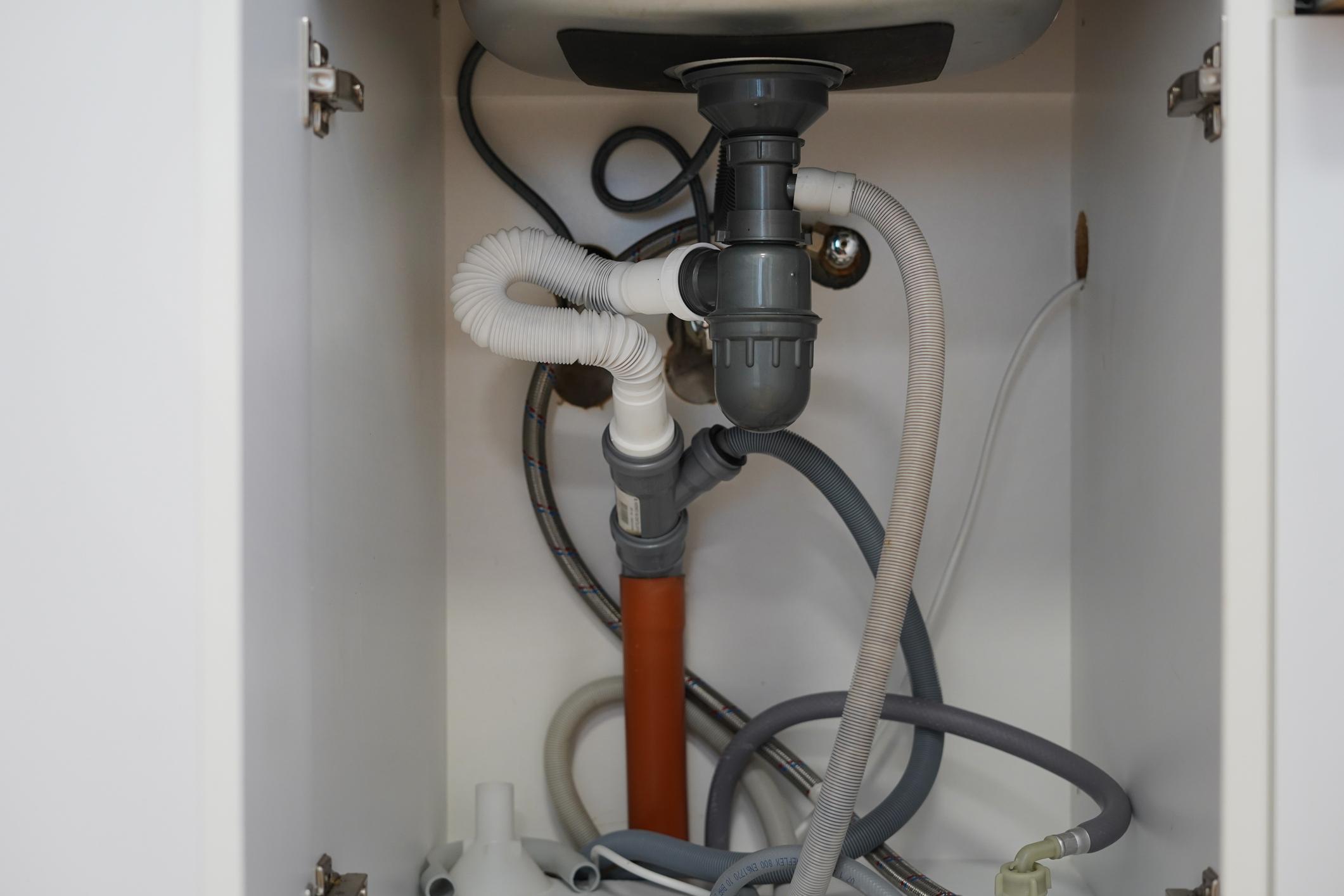
Fixing kitchen sink drain problems does not have to feel scary or confusing. In this guide, you will learn why kitchen sink drains fail, how to spot the problem early, and how to fix it step by step—all using simple words and clear actions. We will cover quick fixes you can try today, signs that point to bigger trouble, and smart habits that keep drains flowing well. If your sink is slow, noisy, or fully blocked, this article is written to help you feel confident and ready to act.
Why kitchen sink drains cause problems so often
Your kitchen sink works hard every day. Food bits, grease, soap, and dirt all travel through the kitchen sink plumbing drain. Over time, these things stick to the pipe walls. At first, water only slows a little. Then smells start. If nothing changes, a full clog forms. Knowing this early keeps small issues from turning into big repairs.
Early signs your sink drain needs attention
Small signs appear before a full block. Water may drain slowly. You may hear gurgling sounds. Bad smells can rise from the drain. These clues are helpful warnings. When you act at this stage, fixes are easier, faster, and cheaper.
What causes most kitchen sink drain clogs
Most clogs start with grease. Hot grease looks harmless, but it cools and turns solid inside pipes. Food scraps like rice, pasta, and coffee grounds swell with water and get stuck. Soap can also build a sticky layer. When these mix together, water has no clear path to flow.
Know your sink drain parts before fixing anything
Before fixing a problem, it helps to know the basic parts. Under the sink, you will see a curved pipe called the P-trap. This part holds water to block bad smells. Past it, straight pipes carry waste away. Many clogs sit in the P-trap, which makes them easier to reach and clean.
Start with the safest and simplest fix
Always begin with the easy steps. Boil a pot of water and pour it slowly down the drain. This can melt soft grease. If water drains faster after this, you may have solved the issue. Simple actions like this save time and effort.
Use a plunger the right way
A plunger is not just for toilets. It works great on sinks too. Fill the sink with a little water to cover the plunger cup. Seal the overflow hole with a cloth. Push and pull firmly several times. The pressure can loosen and move the clog.
Try baking soda and vinegar for gentle cleaning
This mix is safe and easy. Pour half a cup of baking soda into the drain. Add half a cup of vinegar. Cover the drain and wait ten minutes. The fizz helps break up buildup. Rinse with hot water. This method works best for small clogs and odors.
Clean the P-trap for better results
If the clog stays, the P-trap may be full. Place a bucket under it. Unscrew the two nuts by hand or with a wrench. Remove the trap and dump the contents. Rinse it well and put it back. This step often fixes slow drains right away.
Use a drain snake for deeper clogs
Some clogs sit farther down the pipe. A drain snake can reach them. Push the snake in gently. Turn it to grab debris. Pull it out slowly. You may remove food, hair, or grease lumps. This tool is simple but very effective.
Avoid harsh chemical drain cleaners
Store-bought chemical cleaners seem fast, but they can harm pipes. They may weaken joints and cause leaks later. They can also burn skin and eyes. Use them only as a last choice. Safer methods protect both your plumbing and your health.
When slow drains point to bigger problems
If clogs return often, the issue may be deeper. Old pipes can have rough spots that catch waste. Poor pipe slope can slow water flow. Tree roots can even enter outdoor lines. These problems need expert tools and skill to fix properly.
How to stop drain problems before they start
Prevention is simple and powerful. Never pour grease down the sink. Wipe plates before washing. Use a sink strainer to catch scraps. Run hot water after each wash to clear residue. These habits take seconds but save hours later.
Why regular care makes a big difference
Monthly care keeps drains smooth. Hot water flushes small buildup. Baking soda and vinegar reduce smells. Quick checks under the sink catch leaks early. Small care steps help your sink last longer and work better every day.
Knowing when to call a professional
If water backs up into other sinks, or if leaks appear, it is time to call for help. These signs mean the problem is not just one drain. Skilled help prevents damage to cabinets, floors, and walls. Acting early protects your home.
A clear note on kitchen sink plumbing drain issues
Understanding kitchen sink plumbing drain problems helps you stay calm and in control. Most issues start small and can be fixed with simple tools. The key is noticing signs early and choosing safe, smart steps. With the right approach, you can avoid stress and enjoy a smooth-running sink.
Final thoughts and trusted support
Fixing sink drain issues is about knowledge, patience, and good habits. Many problems can be solved at home, while others need expert care. If you ever need reliable guidance or service, Gray Electric & Plumbing shares helpful resources and professional support through grayelectric.ca to keep homes safe and working well.
FAQs
Why does my kitchen sink smell even when it is not clogged?
Smells often come from food buildup in the P-trap or pipe walls. A baking soda and vinegar flush can help remove odor-causing residue.
How often should I clean my kitchen sink drain?
Light cleaning once a month is enough for most homes. Hot water and gentle cleaners help stop buildup before it grows.
Can small clogs turn into major plumbing problems?
Yes. Small clogs slow water and add pressure inside pipes. Over time, this can cause leaks or pipe damage if ignored.

 English
 Arabic
 French
 Spanish
 Portuguese
 Deutsch
 Turkish
 Italiano
 Russian
 Romaian
 Portuguese (Brazil)
 Greek
Greek