
How to Choose the Best Walnut Maple Cherry Cutting Board for Your Kitchen
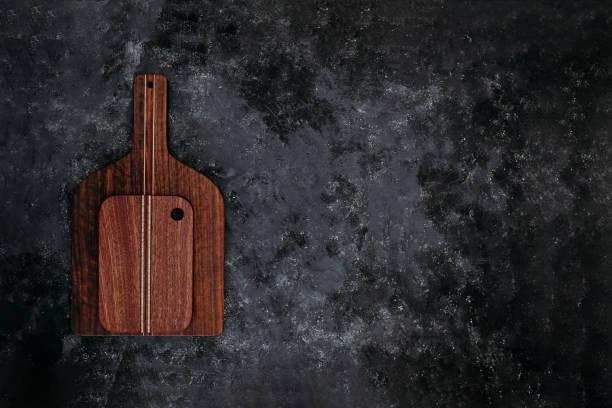
Choosing the right cutting board may seem simple, but it can completely change how you cook every day. A good board protects your knives, keeps food safer, and makes meal prep more enjoyable. In this guide, you will learn exactly how to choose the best walnut maple cherry cutting board for your kitchen—what to look for, what to avoid, and how to pick one that fits your cooking style. By the end, you will feel confident choosing a board that lasts for years and feels great to use.
A cutting board is more than just a flat surface. It is one of the most used tools in any kitchen. If it is too hard, it damages knives. If it is too soft, it wears out fast. If it is poorly made, it can crack or hold bacteria. That is why wood choice, build quality, and care matter so much—and this guide breaks it all down in a simple way.
Why Wooden Cutting Boards Are a Smart Choice
Wooden cutting boards are popular for good reasons. They are gentle on knives, naturally beautiful, and comfortable to work on. Unlike plastic boards, wood does not dull blades quickly. Unlike glass or stone, it does not cause knives to chip.
Wood also has natural properties that help reduce bacteria on the surface when cared for properly. This makes it a safe and trusted choice for everyday cooking. Plus, wooden boards feel warm and solid, which makes cooking more enjoyable.
Understanding Walnut, Maple, and Cherry Wood
Not all wood is the same. Walnut, maple, and cherry are three of the best woods for cutting boards, and each one brings something special to your kitchen.
Walnut is slightly softer than maple, which helps protect knife edges. It has a rich, dark color that looks elegant and modern. Maple is harder and very durable, making it a favorite in professional kitchens. It has a light, clean look that fits almost any kitchen style. Cherry sits between the two. It starts lighter but darkens over time, creating a warm, classic tone.
Why Mixing These Woods Makes Sense
Using more than one type of wood in a cutting board is not just about looks. Different woods expand and shrink in slightly different ways. When combined properly, they help the board stay stable over time.
A mixed-wood board also spreads wear more evenly. This means fewer deep cuts and a longer life. The contrast in colors makes it easier to see food while cutting, which improves safety and accuracy.
End-Grain vs Edge-Grain: What You Need to Know
One of the most important choices is the grain type. End-grain boards are made from wood fibers standing upright. When you cut on them, the fibers separate and then close back up. This protects knives and helps the board heal itself.
Edge-grain boards are made from long strips of wood glued side by side. They are strong, lighter, and usually more affordable. They still perform well but may show knife marks sooner than end-grain boards.
Thickness Matters More Than You Think
A thin cutting board can slide, warp, or crack over time. Thicker boards stay flat and feel solid while cutting. They also absorb impact better, which protects both the board and your knives.
A good thickness gives the board weight. This keeps it steady on the counter and makes chopping safer. Thicker boards also last longer because they can be resurfaced if needed.
Size Should Match Your Cooking Style
The right size cutting board depends on how you cook. If you prepare full meals often, a larger board gives you space to work. You can chop vegetables, slice meat, and organize ingredients without crowding.
Smaller boards are easier to store and clean but may feel limiting during big meals. A medium to large board works best for most home kitchens.
Knife Safety and Board Hardness
A cutting board should protect your knives, not fight them. Very hard surfaces like glass quickly dull blades. Very soft surfaces wear out too fast.
Walnut, maple, and cherry hit the sweet spot. They are hard enough to last but soft enough to keep knives sharp. This balance saves you money on knife sharpening and makes cutting smoother.
Moisture Resistance and Daily Use
Kitchens are full of moisture. A good cutting board must handle it well. Maple is especially resistant to moisture, while walnut and cherry also perform well when properly sealed.
Avoid boards that feel dry or rough. A smooth, well-finished surface repels water better and cleans more easily. Juice grooves can help catch liquids, but they should be shallow and smooth.
How to Spot Quality Craftsmanship
A quality cutting board feels balanced and smooth. The joints should be tight with no gaps. The surface should be flat, not warped. Edges should feel comfortable, not sharp.
Look for boards finished with food-safe oil, not varnish. Varnish can chip and is not safe for food contact. A properly oiled board looks natural and feels alive.
Maintenance Made Simple
Caring for a wooden cutting board is easy when you know how. Wash it by hand with mild soap and warm water. Never soak it. Dry it right away.
Oil the board regularly with food-grade mineral oil. This keeps the wood hydrated and prevents cracking. Over time, this care builds a protective surface that improves performance.
Avoiding Common Buying Mistakes
Many people choose boards based on looks alone. While beauty matters, function matters more. Avoid boards that are too thin, too small, or coated with shiny finishes.
Do not assume heavier always means better. Balance and build quality matter more than weight alone. Also, avoid boards made from unknown woods or glued with non-food-safe materials.
Matching the Board to Your Kitchen Style
A cutting board should fit your kitchen, not clash with it. Dark walnut adds depth to modern kitchens. Light maple fits clean, bright spaces. Cherry adds warmth to traditional kitchens.
A mixed board blends styles easily. It becomes both a tool and a design piece. Some people even leave it on the counter because it looks so good.
Long-Term Value Over Cheap Options
A good cutting board is an investment. Cheap boards wear out fast, damage knives, and need replacing often. A quality board costs more upfront but saves money over time.
It also improves your daily cooking experience. Chopping feels smoother. Cleanup feels easier. Everything just works better.
Quality tools make cooking more enjoyable—and that matters.
Final Thoughts on Choosing the Right Board
The best cutting board is one that fits your needs, protects your tools, and feels good to use every day. Walnut, maple, and cherry offer a perfect mix of beauty, strength, and performance.
When chosen carefully and cared for properly, a great cutting board becomes a trusted kitchen partner. It supports your cooking, protects your knives, and adds warmth to your space.
Frequently Asked Questions
Q1. Can I cut raw meat on a wooden cutting board?
Yes. Wooden boards are safe for raw meat when cleaned properly. Wash with warm soapy water and dry immediately after use.
Q2. How often should I oil my cutting board?
Oil it when the surface looks dry or feels rough. For most kitchens, once every 2–4 weeks works well.
Q3. Can a wooden cutting board crack over time?
Yes, if it is soaked in water or not oiled regularly. Proper care prevents cracking and keeps the board strong.

 English
 Arabic
 French
 Spanish
 Portuguese
 Deutsch
 Turkish
 Dutch
Dutch
 Italiano
 Romaian
 Portuguese (Brazil)
 Greek
Greek